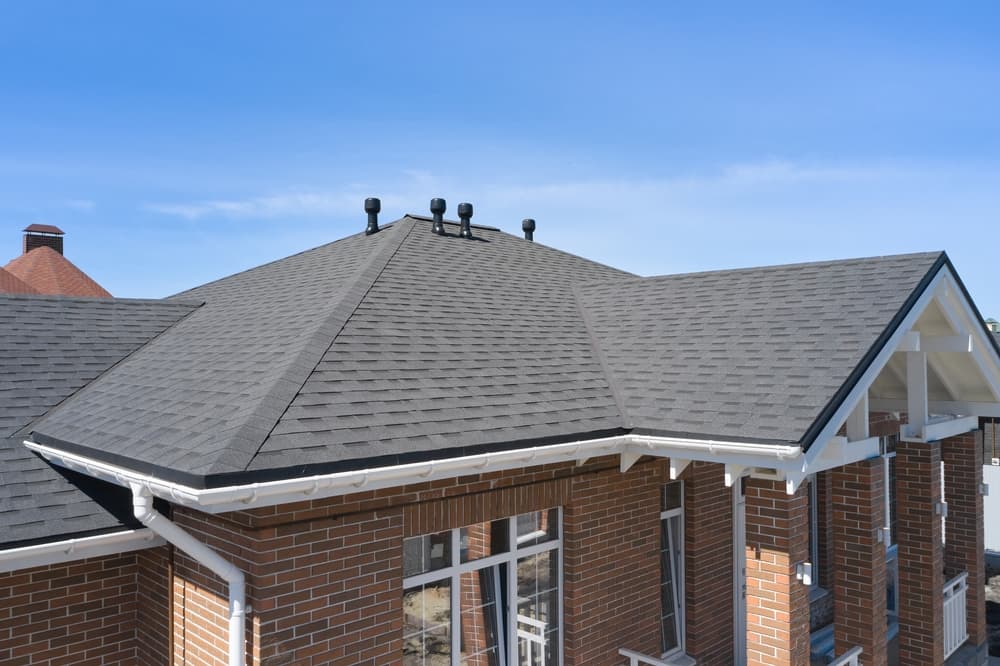
Improving your home’s energy efficiency is one of the most effective ways to reduce utility bills and create a comfortable living environment year-round. The combination of insulation and asphalt roof materials plays a pivotal role in achieving this goal. By understanding how these elements work together, homeowners can make informed decisions that benefit both their wallets and the environment.
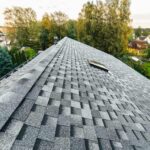
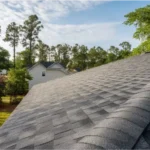
Asphalt shingles remain a popular roofing choice due to their affordability, durability, and ease of installation. When paired with proper insulation, they can significantly minimize heat loss in winter and reduce heat gain during summer. This synergy helps maintain a stable indoor temperature, lessening the strain on heating and cooling systems.
For those interested in sustainable solutions, exploring eco friendly roofing shingles is a smart step. These options offer improved thermal performance and can further enhance the energy-saving benefits of your roofing system.
How Insulation Works with Asphalt Shingles
Insulation acts as a barrier that slows down the transfer of heat between your home’s interior and the outside environment. When installed beneath an asphalt shingle roof, it helps trap conditioned air inside during winter and keeps unwanted heat out during summer. This process is especially important in regions with extreme temperatures, where energy costs can quickly escalate.
There are several types of insulation commonly used in residential roofing:
- Fiberglass batts: Widely used for their affordability and ease of installation.
- Spray foam: Offers excellent air sealing and high R-value per inch.
- Rigid foam boards: Provide continuous coverage and reduce thermal bridging.
Pairing the right insulation with an asphalt shingle roof maximizes thermal resistance, or R-value, which is a key indicator of energy efficiency. The higher the R-value, the better the insulation’s performance.
Benefits of Combining Insulation and Asphalt Roofing
Integrating insulation and asphalt roof systems delivers a range of advantages for homeowners:
- Lower energy bills: Enhanced insulation reduces the need for heating and cooling, leading to significant savings over time.
- Improved indoor comfort: Consistent temperatures throughout the home, with fewer drafts and hot or cold spots.
- Extended roof lifespan: Proper insulation helps prevent ice dams and moisture buildup, both of which can damage roofing materials.
- Environmental impact: Reduced energy consumption means a smaller carbon footprint and a more sustainable home.
For those seeking even greater efficiency, consider options like cool roof shingles or reflective roofing materials, which are designed to reflect more sunlight and absorb less heat than standard shingles.
Choosing the Right Insulation for Your Asphalt Roof
Selecting the best insulation for your home depends on several factors, including climate, roof design, and budget. Here are some considerations to keep in mind:
- Climate zone: Homes in colder regions require higher R-values to prevent heat loss, while those in warmer climates benefit from insulation that blocks radiant heat.
- Roof structure: Attic spaces with accessible joists are well-suited for fiberglass batts, while cathedral ceilings may require spray foam or rigid boards.
- Moisture control: Proper ventilation and vapor barriers are essential to prevent condensation and mold growth under the roof.
Consulting with a roofing professional can help determine the optimal combination of insulation and asphalt shingles for your specific needs. For more information on the components of an asphalt shingle system, see this simple guide to understanding your asphalt shingle roofing system.
Installation Tips for Maximum Efficiency
Proper installation is crucial to achieving the full benefits of your insulation and asphalt roofing system. Here are some best practices to follow:
- Seal air leaks: Before adding insulation, use caulk or spray foam to seal gaps around pipes, vents, and electrical wiring.
- Install insulation evenly: Ensure there are no gaps or compressed areas, as these can reduce effectiveness.
- Maintain ventilation: Adequate attic ventilation prevents moisture buildup and helps regulate temperature.
- Check local codes: Building codes may specify minimum R-values and installation methods for your area.
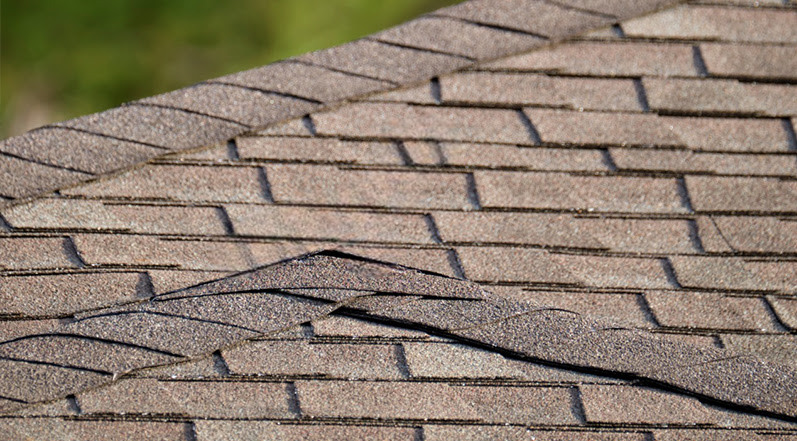
Regular maintenance of your roof and attic insulation will help preserve energy efficiency over the years. Inspect for signs of damage, such as missing shingles or water stains, and address issues promptly.

Advanced Options for Energy-Efficient Roofing
In addition to standard insulation and asphalt shingles, there are advanced products designed to further enhance your home’s energy performance. Some of these include:
- Green roofing options that incorporate recycled materials and promote sustainability.
- Heat resistant roof shingles that help keep attics cooler in hot climates.
- Reflective and high-albedo shingles that reduce heat absorption.
These innovations can be combined with high-quality insulation to create a comprehensive energy-saving solution tailored to your home and local weather conditions.
Frequently Asked Questions
How much can I save on energy bills by upgrading insulation and asphalt roofing?
Upgrading your attic insulation and ensuring your asphalt shingle roof is in good condition can reduce heating and cooling costs by up to 15-20% in many homes. Actual savings depend on your climate, the current state of your insulation, and how well your roof is maintained.
What R-value should I aim for in my attic insulation?
The recommended R-value varies by region. In colder climates, R-49 to R-60 is often suggested for attics, while milder areas may require R-30 to R-38. Check local building codes or consult a professional for guidance tailored to your location.
Can I add new insulation over old insulation in my attic?
Yes, you can add new insulation on top of existing material as long as the old insulation is dry and free of mold. Avoid compressing the insulation, as this can reduce its effectiveness. If the old insulation is damaged or wet, it should be removed before adding more.
Conclusion
Combining quality insulation with an asphalt shingle roof is a proven strategy for enhancing home energy efficiency. By selecting the right materials, ensuring proper installation, and considering advanced options like reflective or green roofing, homeowners can enjoy lower energy bills, improved comfort, and a more sustainable living space. Regular maintenance and attention to detail will help you get the most from your investment for years to come.