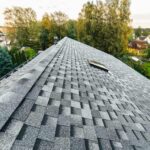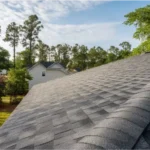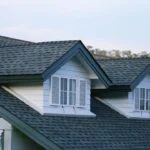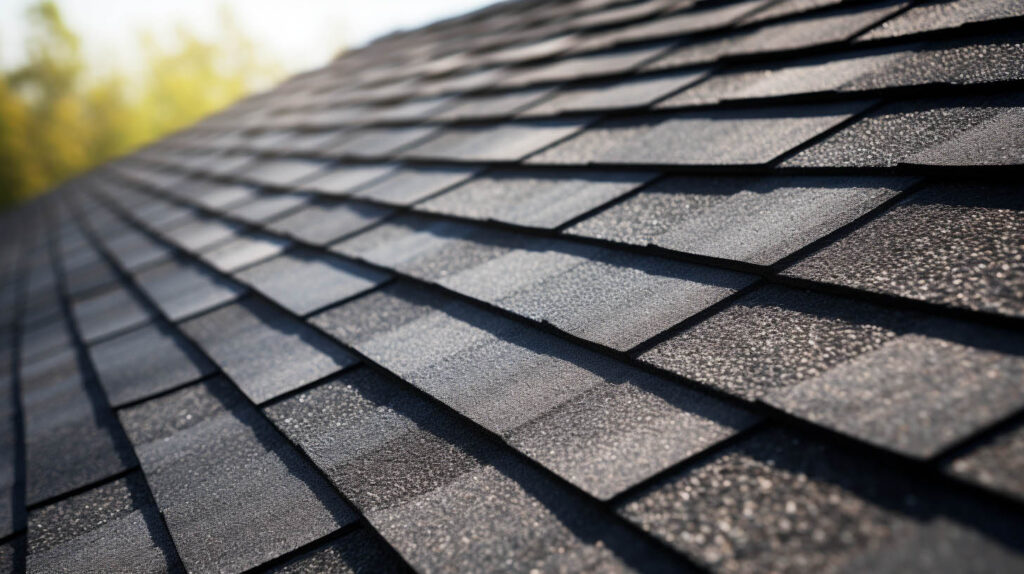
As homeowners and builders increasingly prioritize sustainability, the demand for eco friendly roofing shingles has grown rapidly. Asphalt shingles remain the most popular roofing material in North America, but traditional options have often raised concerns about environmental impact. Fortunately, new technologies and manufacturing processes are making it easier to choose shingles that are both durable and environmentally responsible.
This guide explores the latest sustainable asphalt shingle options, how they benefit your home and the planet, and what to look for when selecting green roofing materials. We’ll also highlight practical tips for maximizing the energy efficiency and lifespan of your roof, along with resources for further research.
For those interested in advanced energy-saving solutions, you may also want to explore cool roof shingles that use reflective technology to lower your energy bills and reduce heat absorption.
What Makes Asphalt Shingles Sustainable?
Not all asphalt shingles are created equal when it comes to environmental impact. The key factors that determine the sustainability of a shingle include:
- Recycled Content: Many modern shingles incorporate recycled materials, such as reclaimed asphalt or post-consumer waste, reducing the need for new raw resources.
- Longevity: Durable shingles that last longer reduce the frequency of roof replacements, minimizing landfill waste and resource consumption.
- Energy Efficiency: Some shingles are engineered to reflect more sunlight, keeping homes cooler and lowering air conditioning needs.
- Manufacturing Practices: Eco-conscious manufacturers use cleaner production methods and strive to reduce emissions and water usage.
- End-of-Life Recycling: Shingles that can be recycled at the end of their lifespan further decrease their environmental footprint.
By focusing on these factors, you can choose roofing materials that align with your sustainability goals while still providing reliable protection for your home.
Types of Eco-Conscious Asphalt Shingles
There are several categories of eco friendly roofing shingles available today. Understanding the differences can help you make an informed decision for your next roofing project.
Recycled Asphalt Shingles
Some manufacturers now offer shingles made with a high percentage of recycled asphalt, often sourced from old roofing materials or reclaimed pavement. These products help divert waste from landfills and reduce the demand for new petroleum-based materials. When shopping for recycled-content shingles, look for certifications or manufacturer disclosures about the percentage of recycled material used.
Reflective and Cool Roof Options
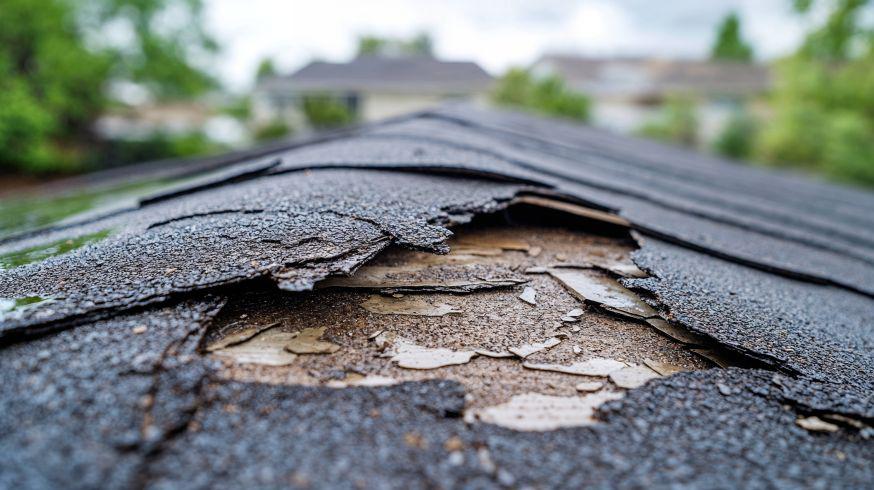
Another way to boost the sustainability of your roof is by choosing shingles designed to reflect sunlight and reduce heat absorption. These products, sometimes called reflective roofing materials or cool roof shingles, can lower attic temperatures and cut cooling costs during hot months. Many of these shingles are ENERGY STAR® certified, indicating that they meet strict energy efficiency guidelines.
Reflective shingles are often available in lighter colors, which naturally absorb less heat. However, new technologies have made it possible to achieve similar performance in darker shades as well.
Long-Life and Impact-Resistant Shingles
Durability is a critical aspect of sustainability. Shingles that resist cracking, wind damage, and algae growth will last longer, reducing the frequency of roof replacements. Some products are specifically engineered for impact resistance or extended warranties, making them a smart choice for eco-minded homeowners.
For more on keeping your attic cool and extending the life of your roof, see our guide to heat resistant roof shingles.
Benefits of Choosing Green Asphalt Shingles
Opting for sustainable roofing materials brings a range of advantages for both homeowners and the environment:
- Reduced Environmental Impact: Lower resource consumption, less landfill waste, and fewer emissions during manufacturing.
- Energy Savings: Reflective and energy-efficient shingles can help reduce your home’s cooling costs.
- Improved Indoor Comfort: By minimizing heat transfer, these shingles help maintain a more consistent indoor temperature.
- Potential Tax Credits and Incentives: Some regions offer financial incentives for installing energy-efficient or recycled-content roofing.
- Enhanced Property Value: Sustainable features are increasingly attractive to buyers and can boost resale value.
Choosing the right shingle can be a win-win for your wallet and the planet.
How to Select the Best Eco-Friendly Shingles
When evaluating sustainable asphalt shingles, keep the following considerations in mind:
- Check for Certifications: Look for ENERGY STAR®, CRRC (Cool Roof Rating Council), or other third-party certifications.
- Review Manufacturer Practices: Research whether the company uses recycled content, clean manufacturing, or offers recycling programs.
- Compare Warranties: Longer warranties often indicate higher durability and better long-term value.
- Assess Local Climate Needs: Choose shingles that offer the right balance of reflectivity, impact resistance, and moisture protection for your region.
- Consult Local Installers: Experienced contractors can recommend products that perform well in your area and may be familiar with local recycling options.
For a detailed breakdown of different asphalt shingle types and their features, visit this comprehensive guide to asphalt roofing shingles.
Tips for Maximizing Roof Sustainability
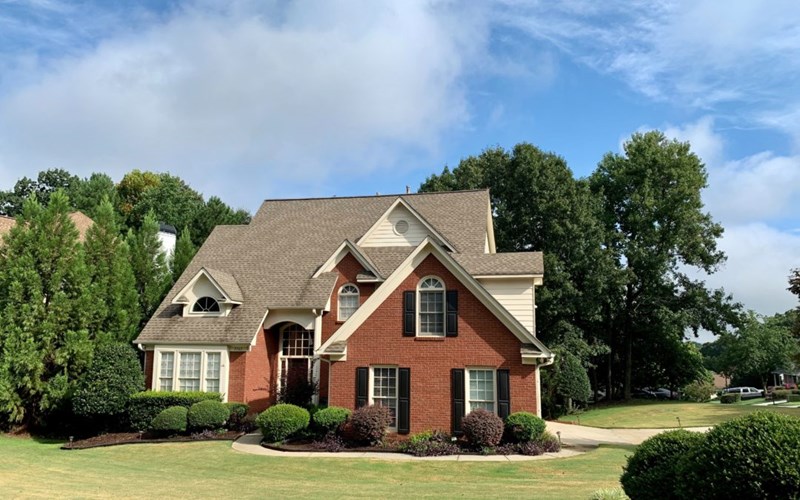
Beyond choosing the right shingles, there are several steps you can take to further enhance the sustainability of your roofing system:
- Proper Installation: Ensure shingles are installed by certified professionals to maximize lifespan and performance.
- Regular Maintenance: Inspect your roof annually for damage, moss, or debris, and address issues promptly to prevent premature failure.
- Sealant Use: Applying high-quality sealant can extend the life of your shingles and improve resistance to leaks and weathering.
- Optimize Attic Ventilation: Good airflow reduces heat buildup and moisture, supporting both shingle and home longevity.
- Choose the Right Color: Lighter-colored shingles reflect more sunlight, which can help reduce roof heat absorption and lower cooling costs.
By combining sustainable materials with smart installation and maintenance, you can enjoy a roof that’s both eco-friendly and long-lasting.
Frequently Asked Questions
Are eco-friendly asphalt shingles as durable as traditional options?
Yes, many sustainable shingles are designed to match or exceed the durability of standard products. Look for options with long warranties and impact resistance for added peace of mind.
Can I recycle my old asphalt shingles?
In many areas, old shingles can be recycled into new roofing materials or used in road construction. Check with your local waste management or roofing contractor for recycling programs in your region.
Do sustainable shingles cost more than regular asphalt shingles?
While some eco-friendly options may have a slightly higher upfront cost, they often provide savings over time through energy efficiency, longer lifespan, and potential incentives. The price difference is narrowing as green roofing becomes more mainstream.
What other energy-efficient asphalt options are available?
Consider exploring energy efficient asphalt shingles for additional ways to cut cooling costs and support sustainability goals.