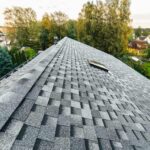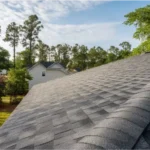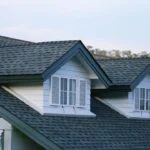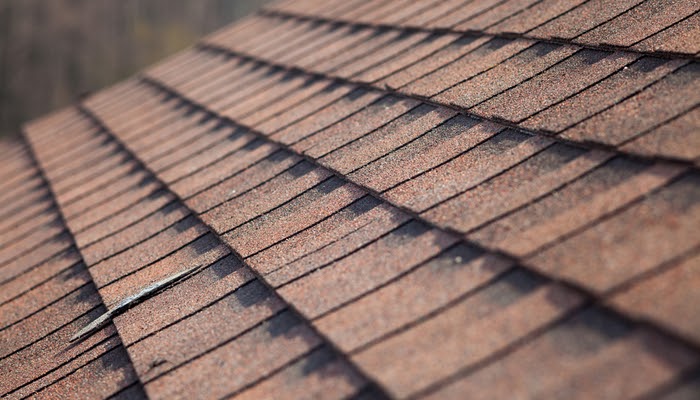
Improving your home’s energy efficiency starts at the top. The materials and systems you choose for your roof can have a significant impact on indoor comfort, energy bills, and the longevity of your property. This roofing energy efficiency guide explores how shingle selection and attic ventilation work together to create a more sustainable, cost-effective home.
Whether you’re building new or considering a replacement, understanding the interplay between roofing materials and airflow is essential. By making informed choices, you can reduce heat gain, prevent moisture problems, and extend the life of your roof. For those interested in sustainable options, exploring eco friendly roofing shingles can further enhance your home’s environmental performance.
How Roofing Materials Influence Energy Use
The type of shingles you install can dramatically affect how much heat your roof absorbs or reflects. Traditional dark asphalt shingles tend to soak up solar energy, raising attic temperatures and forcing your air conditioner to work harder. In contrast, modern high-performance shingles are designed to reflect more sunlight and emit absorbed heat more efficiently.
Some of the most energy-conscious homeowners are turning to cool roof shingles that use reflective technology to keep attics cooler and lower utility costs. These products are engineered with special granules or coatings that bounce back a greater portion of the sun’s rays, making them ideal for hot climates or anyone looking to reduce their carbon footprint.
Choosing the Right Shingles for Efficiency
When selecting shingles, consider more than just aesthetics. The color, material, and technology behind your roofing all play a role in thermal performance. Here are some key factors to keep in mind:
- Color: Lighter-colored shingles generally reflect more sunlight, while darker shades absorb more heat. Choosing pale or reflective options can help reduce roof heat absorption and keep your attic cooler.
- Material: Asphalt, metal, clay, and composite shingles each have unique energy profiles. Metal and certain composite shingles often offer superior reflectivity and longevity.
- Reflective Coatings: Some shingles come with high-albedo coatings that further boost their ability to reflect solar energy. Learn more about these options in our guide to reflective roofing materials.
- Insulation Value: While shingles themselves don’t provide much insulation, pairing them with a well-insulated attic is crucial for optimal efficiency.
For a comprehensive look at the variety of shingle types available, review this detailed breakdown of roofing shingle types to compare features, durability, and energy-saving potential.
Ventilation: The Unsung Hero of Roof Efficiency
While shingle choice is important, attic ventilation is equally critical for maintaining a balanced and energy-smart home. Proper airflow prevents heat and moisture buildup, which can otherwise lead to higher cooling costs, mold, and premature shingle deterioration.
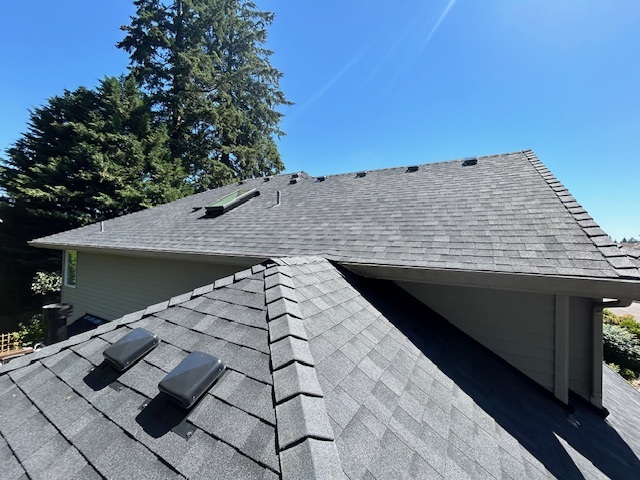
Effective ventilation systems typically combine intake vents (at the soffit or eaves) with exhaust vents (at the ridge or gable). This setup allows hot air to escape and fresh air to circulate, keeping attic temperatures closer to the outside ambient level. The result is a more stable indoor climate and less strain on your HVAC system.
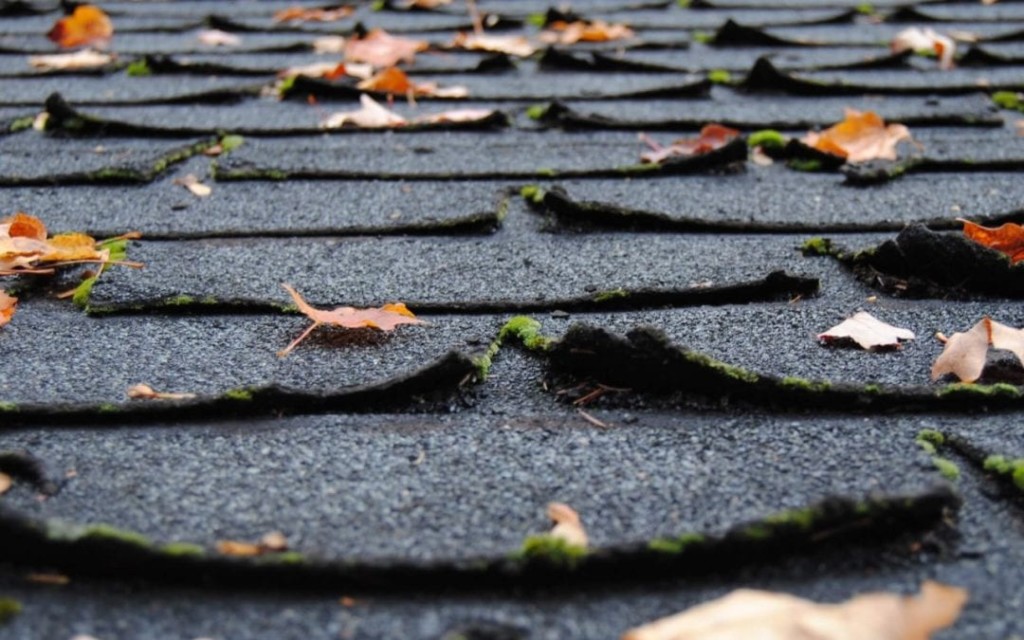
Inadequate ventilation can cause shingles to curl, crack, or lose granules prematurely. For more on how to protect your roof from heat damage, see our article on heat resistant roof shingles.
Maximizing Performance: Combining Shingles and Ventilation
The most effective approach to energy savings is to address both shingle selection and attic ventilation together. Here’s how you can optimize your roof for efficiency:
- Pair reflective shingles with balanced ventilation to minimize heat transfer into your home and extend roof lifespan.
- Ensure attic insulation is adequate to further reduce thermal exchange between the living space and the roof deck.
- Regularly inspect vents for blockages from debris, nests, or insulation, and keep them clear to maintain airflow.
- Consider professional assessments to identify areas where your roof system could be improved for energy performance.
By integrating these strategies, you can create a roof system that not only saves energy but also protects your investment for years to come.
Common Signs of Inefficient Roofing
Recognizing the symptoms of poor roof efficiency can help you take timely action. Watch for these indicators:
- Noticeably higher cooling bills during summer months
- Hot or stuffy attic spaces, even with the AC running
- Shingles that are curling, cracking, or losing granules prematurely
- Mold, mildew, or moisture stains in the attic
- Ice dams forming along the eaves in winter (a sign of heat loss)
If you spot any of these issues, it may be time to upgrade your shingles, improve ventilation, or both.
Maintenance Tips for Lasting Efficiency
Keeping your roof in peak condition is essential for maintaining energy savings. Here are some practical maintenance steps:
- Inspect shingles annually for damage or wear, especially after severe weather
- Clean gutters and downspouts to prevent water backup and ice damming
- Check attic vents and insulation regularly
- Seal any gaps or leaks promptly to avoid moisture intrusion
- Trim overhanging branches to reduce debris and shade that can promote algae growth
Proactive care not only preserves efficiency but also extends the life of your roofing system.
FAQ: Roofing and Energy Efficiency
What type of shingle is best for reducing heat in my home?
Shingles with high solar reflectance, such as light-colored or specially coated products, are best for minimizing heat absorption. Options like cool roof shingles and reflective materials are designed to keep attics cooler and lower energy consumption.
How does attic ventilation affect my energy bills?
Proper attic ventilation allows hot air to escape, reducing the temperature difference between your attic and the outdoors. This lessens the load on your air conditioning system, resulting in lower energy bills and a more comfortable living space.
Can I retrofit my existing roof for better efficiency?
Yes, you can often improve efficiency by adding or upgrading attic vents, increasing insulation, and applying reflective coatings to existing shingles. For older roofs, replacing worn-out shingles with modern, energy-efficient options can provide significant benefits.