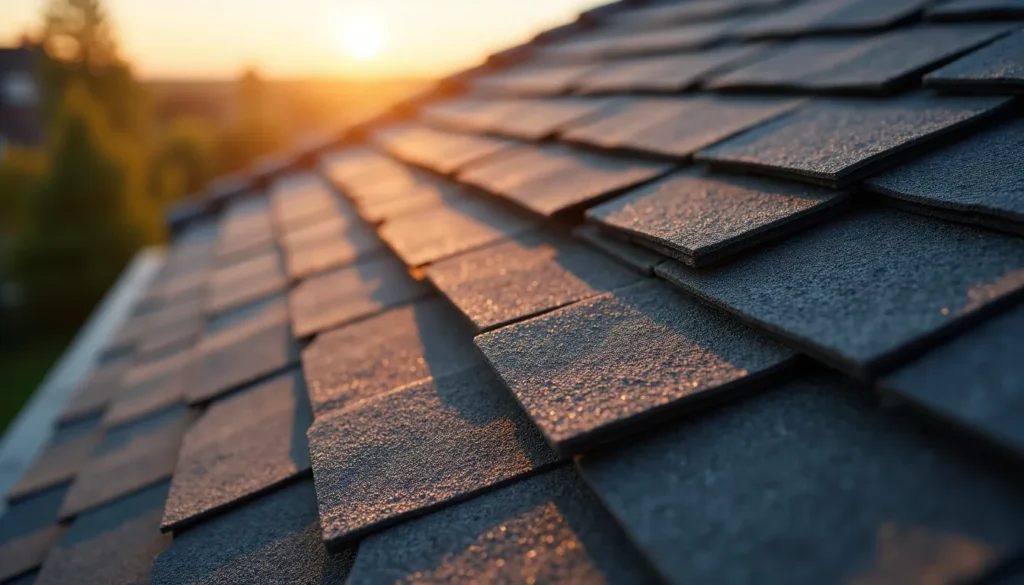
Reducing your home’s energy consumption starts at the top—literally. The right roofing choices can make a significant difference in your household’s energy efficiency, comfort, and environmental impact. By focusing on smart materials, proper installation, and regular maintenance, you can lower utility bills and create a more sustainable living space. This guide explores practical energy saving roofing tips to help homeowners make informed decisions for a greener future.
Choosing sustainable roofing materials and implementing effective strategies not only benefits the environment but can also extend the lifespan of your roof and improve indoor comfort. For those interested in exploring specific material options, consider reading about eco friendly roofing shingles for further insights into sustainable asphalt choices.
Why Focus on Roof Efficiency?
Your roof is a critical barrier against heat, cold, and moisture. Inadequate roofing can lead to excessive heat gain in summer and heat loss in winter, driving up energy costs. By applying energy saving roofing tips, you can reduce your reliance on heating and cooling systems, lower your carbon footprint, and enjoy a more comfortable home year-round.
- Lower utility bills: Efficient roofs reflect more sunlight and insulate better, reducing HVAC usage.
- Environmental benefits: Sustainable materials and cool roofing options help decrease greenhouse gas emissions.
- Improved comfort: Consistent indoor temperatures make living spaces more enjoyable.
Choosing the Right Roofing Materials
Material selection is one of the most impactful decisions for energy efficiency. Some roofing products are specifically engineered to reflect sunlight and release heat, while others provide superior insulation. Here are some of the most effective options:
- Cool roof shingles: These products use reflective granules or coatings to minimize heat absorption. Learn more about cool roof shingles and how they can help lower your energy bills.
- Metal roofing: Metal panels with reflective finishes are highly durable and excellent at reflecting solar energy.
- Reflective asphalt shingles: Some asphalt shingles are designed with high-albedo surfaces to bounce sunlight away from your home. For more details, check out the guide on reflective roofing materials.
- Green roofs: Living roofs covered with vegetation provide natural insulation and absorb heat, though they require specific structural support.

Insulation and Ventilation: Key Factors for Energy Savings
Even the best roofing materials need proper insulation and ventilation to maximize energy efficiency. Without these, heat can build up in the attic, causing your HVAC system to work harder and increasing energy costs.
- Attic insulation: A well-insulated attic slows heat transfer, keeping your home cooler in summer and warmer in winter. Use high-quality materials like fiberglass batts, spray foam, or blown-in cellulose for optimal performance.
- Ventilation: Ridge vents, soffit vents, and attic fans help regulate temperature and moisture, preventing heat buildup and reducing the risk of mold or rot.
- Sealing gaps: Use a reliable sealant to close leaks and prevent air infiltration, which can undermine your insulation’s effectiveness.
For those living in hot climates, consider heat resistant roof shingles to further enhance your roof’s ability to keep your attic cool and reduce air conditioning needs.
Maintenance and Upkeep for Long-Term Efficiency
Routine maintenance is essential to ensure your roof continues to perform efficiently. Here are some maintenance-focused energy saving roofing tips:
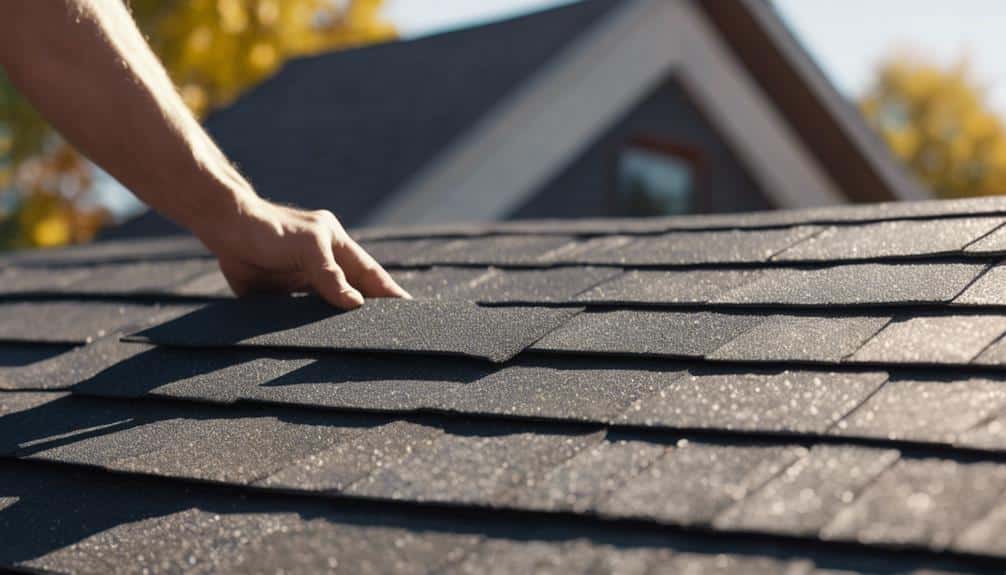
- Inspect regularly: Check for damaged, missing, or curling shingles, and repair them promptly to prevent leaks and heat loss.
- Clean debris: Remove leaves, branches, and moss to prevent moisture retention and potential damage.
- Seal and repair: Use roof sealants to patch minor leaks and reinforce vulnerable areas, extending the life of your roofing system.
- Professional inspections: Schedule annual or biannual inspections to catch issues early and maintain peak performance.
Installation Best Practices for Maximum Efficiency
Proper installation is just as important as material selection. Even the most advanced roofing products can underperform if not installed correctly. Here are some best practices to consider:
- Hire experienced contractors: Choose professionals with a track record of energy-efficient installations.
- Follow manufacturer guidelines: Adhering to recommended installation techniques ensures optimal performance and warranty protection.
- Layering and underlayment: Use high-quality underlayment to add an extra barrier against heat and moisture.
- Flashing and sealing: Proper flashing around chimneys, vents, and skylights prevents leaks and energy loss.
For more information on sustainable and efficient roofing solutions, explore green roofing options asphalt to see how different materials and installation methods can impact your home’s energy profile.
Additional Strategies for an Eco-Conscious Roof
Beyond materials and installation, there are several other ways to enhance your roof’s energy performance:
- Light-colored surfaces: Lighter shades reflect more sunlight than dark colors, reducing heat absorption.
- Solar panels: Installing solar panels can offset your energy use and contribute to a more sustainable home.
- Rainwater harvesting: Collecting rainwater from your roof can reduce water usage for landscaping and help manage stormwater runoff.
- Upgrade when reroofing: If your roof is nearing the end of its life, consider upgrading to more efficient materials and adding insulation during replacement.
To compare the advantages of different shingle types, you may find this detailed guide on asphalt shingle roofing types and their benefits helpful for making an informed decision.
FAQ: Common Questions About Energy Efficient Roofing
What is the most energy-efficient roofing material?
Metal roofing with reflective coatings, cool roof shingles, and certain types of tile or slate are among the most energy-efficient options. These materials reflect solar energy and provide excellent durability, helping to reduce heat gain and lower cooling costs.
How often should I inspect my roof for energy efficiency?
It’s recommended to inspect your roof at least once a year, ideally in spring or fall. After severe weather events, check for damage that could affect insulation or ventilation. Regular inspections help maintain efficiency and prevent costly repairs.
Can I make my existing roof more energy efficient without replacing it?
Yes, you can improve your current roof’s efficiency by adding insulation in the attic, applying reflective coatings, sealing leaks, and ensuring proper ventilation. These upgrades can significantly reduce energy loss and extend the life of your roof.
Conclusion: Building a Greener Home from the Top Down
Implementing energy saving roofing tips is a practical way to reduce your home’s environmental impact while saving money on utility bills. By choosing the right materials, ensuring proper installation, and maintaining your roof, you can enjoy a more comfortable and sustainable living space for years to come. Whether you’re planning a new build or upgrading your current home, these strategies will help you make informed, eco-friendly choices for your roof.