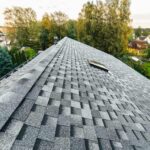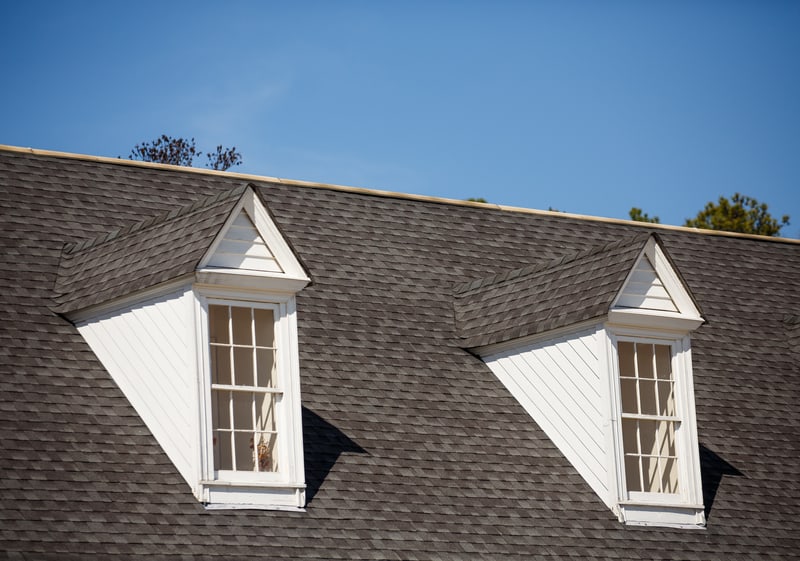
As homeowners become more conscious of their environmental impact, the demand for green roofing options asphalt continues to grow. Choosing sustainable roofing materials can help lower energy bills, reduce landfill waste, and improve the comfort of your home. Among the many choices available, asphalt shingles stand out for their versatility, affordability, and evolving eco-friendly features.
This article explores the most effective and practical ways to make your roof more environmentally responsible, with a special focus on modern asphalt shingle solutions. You’ll also find tips for selecting the right materials, insights into performance and durability, and guidance on how to maximize the benefits of your investment.
For a deeper dive into the latest sustainable asphalt shingle technologies, you may also want to review our guide on eco friendly roofing shingles, which covers material innovations and recycling practices.
Understanding Sustainable Asphalt Shingle Choices
Asphalt shingles have long been a staple in residential roofing, but not all products are created equal when it comes to sustainability. Modern manufacturing processes and material innovations have led to a new generation of green roofing options asphalt that offer improved energy efficiency, durability, and recyclability.
- Recycled Content: Many eco-conscious asphalt shingles now incorporate recycled materials, such as reclaimed asphalt or post-consumer waste, reducing the need for new raw resources.
- Reflective Surfaces: Some shingles are engineered with reflective granules to deflect sunlight, helping to keep your home cooler and lower air conditioning costs. Learn more about these technologies in our article on cool roof shingles.
- Longevity: High-quality asphalt shingles are designed to last 20-30 years or more, minimizing the frequency of replacement and reducing overall waste.
- Recyclability: At the end of their lifespan, many asphalt shingles can be recycled into new roofing materials or used in road construction, diverting tons of waste from landfills.
By choosing products that emphasize these features, homeowners can make a significant impact on both their energy usage and environmental footprint.
Comparing Green Roofing Materials: Asphalt and Beyond
While asphalt shingles are the most common choice, other sustainable roofing materials are also gaining attention. Here’s a comparison of popular options, including their benefits and considerations:
| Material | Eco Benefits | Drawbacks |
|---|---|---|
| Asphalt Shingles | Recycled content, reflective options, recyclable at end of life | Some products still use virgin materials; not all are recyclable everywhere |
| Metal Roofing | Highly recyclable, long lifespan, excellent reflectivity | Higher upfront cost, may require specialized installation |
| Clay or Concrete Tiles | Natural materials, durable, recyclable | Heavy, may need reinforced roof structure |
| Wood Shakes | Renewable resource, biodegradable | Shorter lifespan, fire risk, maintenance required |
| Green (Vegetative) Roofs | Improved insulation, stormwater management, habitat creation | Complex installation, higher maintenance, structural requirements |
For most homeowners, modern asphalt shingles offer a balanced combination of sustainability, affordability, and ease of installation, especially when you select products designed with green principles in mind.
How to Identify Eco-Friendly Asphalt Shingles
Not all asphalt shingles are equally sustainable. When shopping for green roofing options, look for these key indicators:
- Certifications: Products with certifications such as ENERGY STAR or CRRC (Cool Roof Rating Council) are tested for energy efficiency and reflectivity.
- Manufacturer Transparency: Reputable brands will disclose the percentage of recycled content and provide information about recyclability.
- Product Class: Asphalt shingles are rated by class for impact resistance and fire safety. Higher-class shingles often last longer and perform better in extreme weather. For more details, see this overview of asphalt shingle classes.
- Warranty: Longer warranties can indicate higher quality and durability, which means less frequent replacement and less waste.
When in doubt, consult with your roofing contractor about the most sustainable options available in your region.
Maximizing Energy Efficiency with Asphalt Roofing
One of the main advantages of modern asphalt shingles is their ability to improve your home’s energy performance. Here are some ways these products can help:
- Reflective Granules: Shingles with high solar reflectance reduce heat absorption, keeping your attic and living spaces cooler. This can lead to significant savings on summer energy bills. For more on this, check our resource on reflective roofing materials.
- Proper Installation: Ensuring correct attic ventilation and insulation works hand-in-hand with energy-efficient shingles to optimize performance.
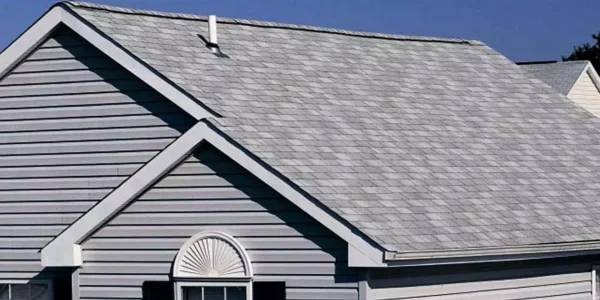
- Color Selection: Lighter-colored shingles reflect more sunlight, while darker colors absorb more heat. Choosing the right color for your climate can further enhance efficiency. Our article on reducing roof heat absorption offers more guidance.
Combining these strategies with high-quality materials can make a noticeable difference in both comfort and cost over the life of your roof.
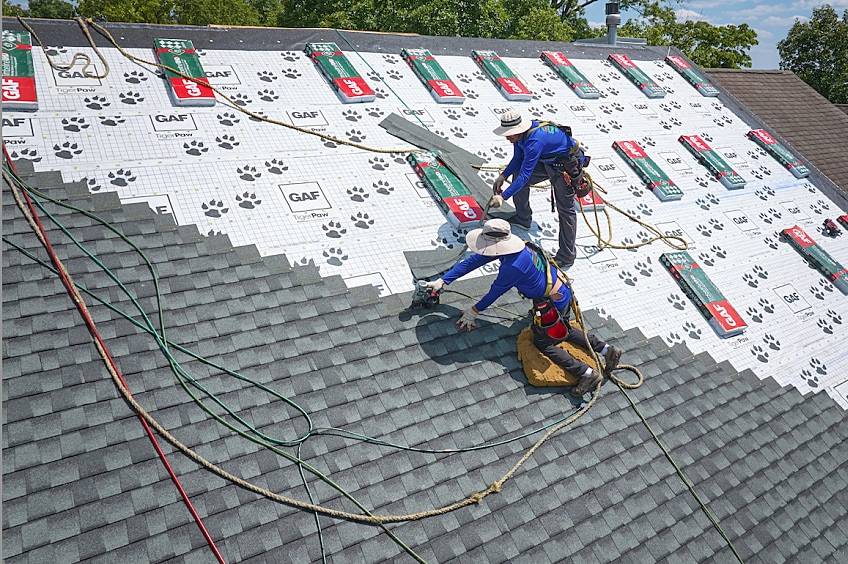
Maintenance and Longevity: Getting the Most from Your Sustainable Roof
Proper care is essential to extend the lifespan of any roofing material, especially when you want to maximize the environmental benefits. Here are some practical maintenance tips:
- Inspect your roof regularly for signs of damage or wear, especially after storms.
- Keep gutters and downspouts clear to prevent water buildup and leaks.
- Address minor repairs promptly using quality sealants and replacement shingles.
- Schedule professional inspections every few years to catch issues early.
Following these steps helps ensure your roof remains efficient, attractive, and environmentally friendly for decades.
Additional Innovations in Asphalt Shingle Sustainability
Manufacturers continue to push the boundaries of what’s possible with asphalt roofing. Some of the latest advancements include:
- Cool Roof Technology: Special coatings and granules that boost solar reflectance, reducing the urban heat island effect. More details are available in our article on heat resistant roof shingles.
- Bio-Based Binders: Some new shingles use plant-derived binders instead of petroleum-based asphalt, further reducing fossil fuel dependence.
- Improved Recycling Programs: More communities now offer shingle recycling, turning old roofs into new products or paving materials.
Staying informed about these trends can help you make the best choice for your home and the planet.
FAQ: Sustainable Roofing with Asphalt Shingles
Are asphalt shingles really eco-friendly?
Modern asphalt shingles can be a sustainable choice, especially when they contain recycled content, are manufactured with energy-efficient processes, and are recyclable at the end of their lifespan. Look for products with certifications and transparent environmental claims.
How can I recycle my old asphalt shingles?
Many regions now have recycling programs that accept used asphalt shingles. These materials are often repurposed for road construction or new roofing products. Ask your contractor or local waste management authority about recycling options in your area.
What is the lifespan of sustainable asphalt shingles?
High-quality, eco-friendly asphalt shingles typically last 20-30 years or more with proper maintenance. Choosing products with longer warranties and better durability can further reduce your roof’s environmental impact over time.