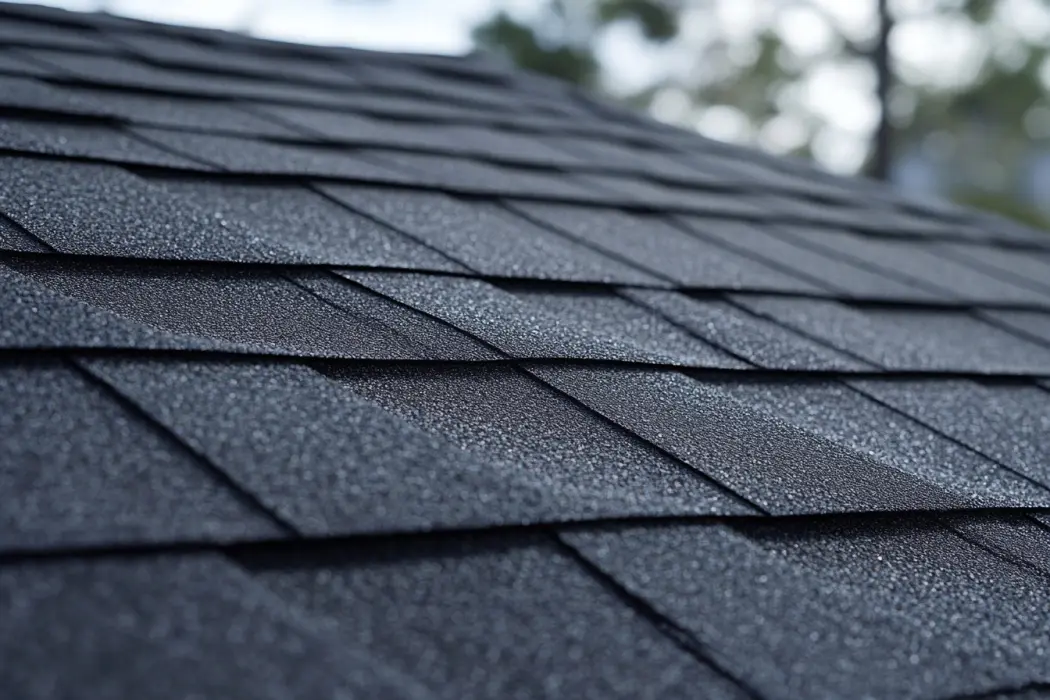
When your home faces nature’s harshest conditions, the right roofing can make all the difference. From pounding hail and heavy snow to relentless winds and scorching sun, your roof is the first line of defense. This extreme weather roofing guide is designed to help homeowners, contractors, and property managers understand what makes a shingle truly resilient, how to compare materials, and which features matter most for long-term protection.
Whether you’re replacing an aging roof or building new, selecting the toughest shingles is an investment in your property’s safety and value. We’ll break down the key factors, compare popular shingle types, and share expert tips for maximizing performance in any climate.
For those living in regions with frequent storms, exploring storm resistant roof shingles can provide even more targeted protection. Understanding the unique demands of your local climate is the first step toward a roof that stands the test of time.
What Makes a Shingle Tough Enough for Extreme Weather?
Not all roofing materials are created equal. The most durable options are engineered to withstand high winds, heavy precipitation, temperature swings, and UV exposure. Here are the core attributes to look for in shingles designed for severe conditions:
- Wind resistance: Look for shingles rated to withstand gusts of 110 mph or higher. Some premium products are tested for up to 130–150 mph winds.
- Impact resistance: Class 4 impact-rated shingles offer the best protection against hail and flying debris.
- Water shedding: Effective granule coverage and tight seals help prevent leaks and ice dams.
- UV stability: High-quality materials resist cracking, fading, and brittleness from sun exposure.
- Fire rating: Class A fire ratings are recommended for maximum safety, especially in wildfire-prone areas.
These features are often highlighted on product labels or technical data sheets. Always verify ratings and certifications before making a final decision.
Comparing Shingle Materials for Severe Climates
The choice of material plays a major role in how well your roof handles extreme weather. Here’s a quick overview of the most common options and how they stack up:
| Material | Wind Resistance | Impact Resistance | Fire Rating | Longevity |
|---|---|---|---|---|
| Architectural Asphalt | Up to 130 mph | Class 4 available | Class A | 20–30 years |
| Metal Shingles | 120–150 mph | Excellent | Class A | 40–70 years |
| Composite/Synthetic | 110–130 mph | Class 4 | Class A | 30–50 years |
| Clay/Concrete Tile | Up to 125 mph | Good | Class A | 50+ years |
Each material has its pros and cons. For a deeper comparison, see shingles vs metal roof and asphalt vs tile roof for insights on cost, weight, and longevity.
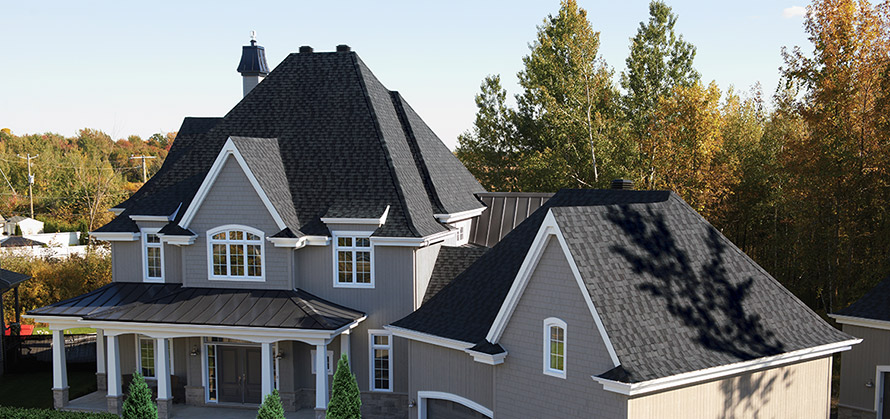
Key Features to Look for in High-Performance Shingles
When evaluating shingles for challenging climates, focus on these critical features:
- Reinforced nailing zones: Extra layers or reinforced strips help prevent blow-offs in high winds.
- Advanced adhesives: Strong sealants keep shingles locked down during storms and resist water infiltration.
- Granule technology: Impact-resistant granules protect against hail and extend shingle life.
- Algae resistance: Special coatings prevent discoloration and streaking in humid or rainy areas.
- Cold weather flexibility: Shingles that remain pliable in freezing temperatures are less likely to crack or break. For more on this, see cold weather roofing shingles.
Many manufacturers offer product lines specifically designed for severe weather. Always check for third-party certifications such as UL 2218 for impact resistance or ASTM D3161 for wind performance.
Installation Best Practices for Maximum Durability
Even the toughest shingles can fail if not installed correctly. Here are some best practices to ensure your roof performs when it matters most:
- Follow manufacturer guidelines for nail placement, spacing, and fastener type.
- Use starter strips and proper edge sealing to prevent wind uplift.
- Install ice and water shields in valleys and eaves to guard against leaks and ice dams.
- Ventilate the attic properly to reduce heat buildup and moisture.
- Schedule regular inspections, especially after major storms, to catch and repair damage early.
Professional installation is highly recommended for extreme weather applications. Certified contractors are familiar with local codes and best practices for your region.
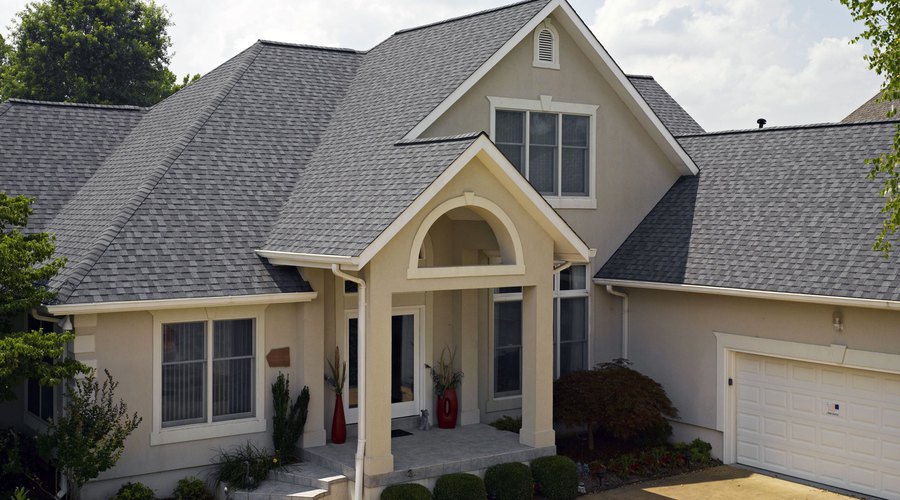
How to Choose the Right Shingle for Your Climate
Climate should be the primary factor in your decision. Here’s how to match shingle features to your local weather challenges:
- High wind zones: Prioritize shingles with the highest wind uplift ratings and reinforced nailing zones. For more, see asphalt shingles wind resistance.
- Hail-prone areas: Choose Class 4 impact-rated products for maximum protection against hailstones and flying debris.
- Snow and ice: Look for shingles with water-shedding designs, ice dam protection, and cold-weather flexibility.
- Hot, sunny climates: UV-resistant granules and reflective coatings help prevent premature aging and keep your home cooler.
Consult local roofing professionals for recommendations based on regional building codes and weather patterns. You can also explore a wide range of shingle types and their unique properties in this comprehensive guide to roofing shingle types.
Maintenance Tips for Long-Lasting Protection
Even the most robust shingles require regular care to perform at their best. Here are some practical maintenance tips:
- Inspect your roof at least twice a year and after major storms for signs of damage or missing shingles.
- Keep gutters and downspouts clear to prevent water backup and ice dams.
- Trim overhanging branches that could scrape or puncture the roof during high winds.
- Address minor repairs promptly to prevent leaks and further deterioration.
- Apply roof sealant to vulnerable areas as needed to maintain a watertight barrier.
Proactive maintenance extends the life of your roof and ensures it’s ready to withstand whatever the weather brings.
Frequently Asked Questions
What is the best shingle type for hurricane-prone areas?
Architectural asphalt and metal shingles with high wind ratings (130 mph or more) are top choices for hurricane regions. Look for reinforced nailing zones and advanced adhesives to prevent blow-offs.
How do I know if a shingle is impact-resistant?
Check for a Class 4 impact rating, which is the highest standard for hail resistance. This rating is usually listed on the product packaging or manufacturer’s technical data sheets.
Can I install extreme weather shingles myself?
While some experienced DIYers may tackle roofing projects, professional installation is strongly recommended for severe weather applications. Proper installation is critical for achieving the manufacturer’s rated performance and maintaining warranty coverage.