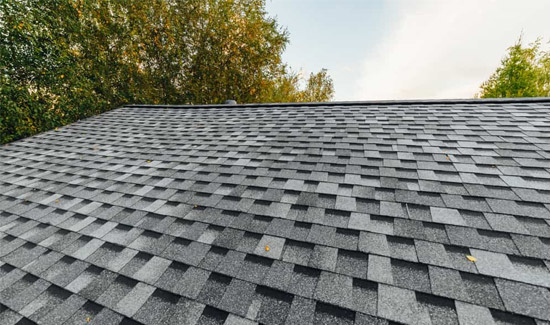
When it comes to protecting your home from the elements, the ability of your roof to withstand strong gusts is crucial. Asphalt shingles wind resistance is a key factor for homeowners living in regions prone to storms, hurricanes, or frequent high winds. Understanding how these shingles perform under pressure, what affects their durability, and how to maximize their security can make a significant difference in the longevity of your roof and the safety of your home.
In this article, we’ll break down how asphalt shingles are rated for wind, what installation practices matter most, and how you can choose and maintain a roof that stands up to severe weather. For those interested in comparing options, you may also want to explore the shingles vs metal roof debate to see how different materials perform in windy conditions.
How Asphalt Shingles Are Rated for Wind Performance
Roofing manufacturers and industry standards organizations have developed specific tests to measure how well asphalt shingles resist wind uplift. The most common ratings you’ll encounter are based on tests such as ASTM D3161 and ASTM D7158. These tests simulate wind-driven forces and determine the maximum wind speed a shingle can endure without detaching from the roof deck.
- ASTM D3161: This test classifies shingles into three classes—A, D, and F—corresponding to wind speeds of 60, 90, and 110 mph, respectively.
- ASTM D7158: This more recent standard uses Classes D, G, and H, with Class H rated for wind speeds up to 150 mph.
Choosing shingles with a higher wind rating is especially important in coastal or tornado-prone areas. Always check the manufacturer’s technical data sheet for the specific wind resistance rating before making a purchase.
Key Factors Affecting Asphalt Shingles Wind Resistance
While the shingle rating is important, several other factors play a role in how well your roof stands up to high winds:
- Installation Quality: Proper nailing, correct overlap, and adherence to manufacturer guidelines are critical. Incorrect installation is a leading cause of shingle blow-off during storms.
- Roof Deck Condition: A solid, well-fastened deck provides the foundation for wind resistance. Weak or damaged decking can undermine even the best shingles.
- Sealant Activation: Most modern asphalt shingles have adhesive strips that bond them together. These seals usually activate with heat from the sun, so installing shingles in cool or wet weather can delay full adhesion.
- Shingle Type: Architectural (laminated) shingles tend to offer better wind performance than traditional 3-tab shingles due to their heavier weight and multi-layer construction.
For those dealing with cold climates, it’s also worth reading about cold weather roofing shingles to understand how temperature can affect installation and performance.

Choosing the Right Asphalt Shingles for High Wind Areas
Not all asphalt shingles are created equal when it comes to wind protection. Here’s what to look for when selecting products for storm-prone regions:
- High Wind Ratings: Opt for shingles with Class F (ASTM D3161) or Class H (ASTM D7158) ratings for maximum protection.
- Architectural Shingles: These multi-layered products offer enhanced durability and are less likely to lift or tear in strong winds.
- Manufacturer Warranties: Some brands offer extended wind warranties (up to 130–150 mph) if you use their full roofing system and follow installation guidelines.
- Local Building Codes: Always check local regulations, as some areas require minimum wind ratings for new roofs.
For a deeper understanding of the pros and cons of different roofing materials, see our comparison of asphalt vs tile roof to help you make an informed decision.
Installation Best Practices for Maximum Wind Resistance
Even the best-rated shingles can fail if not installed correctly. Here are some essential steps to ensure your roof is as wind-resistant as possible:
- Follow Manufacturer Instructions: Use the recommended number and placement of nails. Most high-wind installations require six nails per shingle instead of the standard four.
- Proper Nail Placement: Nails should be driven straight and flush with the shingle surface, not overdriven or angled.
- Starter Strip and Edge Securement: Install a starter strip along eaves and rakes to prevent wind uplift at the roof edges.
- Sealant Application: If installing in cool weather, consider using a roofing adhesive to manually seal shingles until the sun’s heat activates the factory adhesive.
- Inspect and Maintain: After installation, inspect your roof regularly for loose or lifted shingles, especially after severe weather events.

Maintenance Tips to Preserve Wind Resistance Over Time
Maintaining your asphalt shingle roof is essential for long-term wind protection. Here are some practical tips:
- Regular Inspections: Check your roof at least twice a year and after major storms for missing, lifted, or damaged shingles.
- Clear Debris: Remove leaves, branches, and other debris that can trap moisture or add weight, potentially weakening the shingles.
- Sealant Touch-Ups: If you notice shingles that haven’t fully sealed, apply a compatible roofing adhesive to reinforce the bond.
- Trim Overhanging Branches: Prevent wind-driven branches from scraping or prying up shingles during storms.
- Address Repairs Promptly: Fix any issues as soon as they arise to prevent further damage and maintain your roof’s integrity.
For more on the advantages of this popular roofing material, read about the benefits of asphalt shingles and why they remain a top choice for American homeowners.
Comparing Asphalt Shingles to Other Roofing Materials
While asphalt shingles are widely used, it’s helpful to compare their wind performance to other materials. Metal roofs, for example, are known for their exceptional wind resistance, while tile roofs can be more vulnerable to uplift unless properly secured. For a detailed side-by-side analysis, see our article on shingles vs metal roof.
It’s also important to consider cost, weight, and longevity when making your decision. For more details, our guide on asphalt vs tile roof covers these aspects thoroughly.
Expert Insights and Additional Resources
Industry experts recommend choosing products that not only meet but exceed local code requirements for wind resistance. Some manufacturers offer enhanced warranties if you use their full roofing system, including underlayment, starter strips, and ridge caps. For a comprehensive overview of what asphalt shingles are and how they’re constructed, check out this in-depth guide to asphalt shingle roofs.
Frequently Asked Questions
What wind speeds can asphalt shingles withstand?
Most modern asphalt shingles are rated to withstand winds of 110–130 mph when installed according to manufacturer specifications. Some premium products, especially architectural shingles, can handle gusts up to 150 mph. Always check the product’s wind rating and ensure proper installation for maximum protection.
How can I improve my roof’s wind resistance?
To enhance your roof’s ability to resist wind, use shingles with high wind ratings, follow best installation practices (including extra nails and starter strips), and keep your roof well-maintained. Applying roofing adhesive to shingle tabs can also help, especially if installation occurs in cooler weather.
Are architectural shingles better for wind resistance than 3-tab shingles?
Yes, architectural or laminated shingles generally offer superior wind performance compared to traditional 3-tab shingles. Their heavier weight, multi-layer design, and stronger adhesive strips make them less likely to lift or blow off in high winds.
Conclusion
Ensuring your home is protected from severe weather starts with a roof built for the challenge. By selecting high-quality asphalt shingles with proven wind resistance, following proper installation techniques, and maintaining your roof over time, you can enjoy peace of mind even during the most intense storms. For more guidance on choosing the right roofing material for your climate and needs, explore our additional resources or consult a local roofing professional.