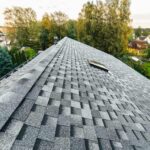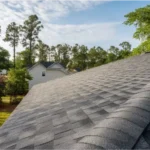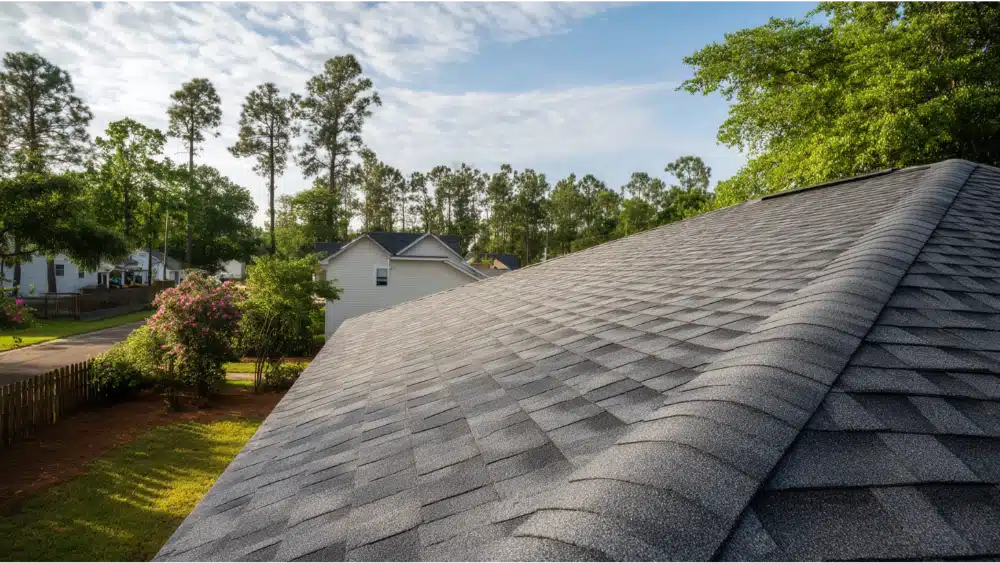
Winter weather can be tough on roofs, especially in regions where snow and ice are common. Homeowners often face challenges like ice dams, leaks, and shingle damage during the coldest months. Choosing snow resistant roof shingles is one of the most effective ways to protect your home from these seasonal hazards. These specialized shingles are engineered to withstand heavy snow loads, resist moisture penetration, and minimize the risk of ice dam formation, helping to preserve the integrity of your roof throughout winter.
Understanding how these shingles work, what features to look for, and how they compare to other roofing materials can help you make informed decisions for your property. For those interested in exploring other weather-resistant options, you may also want to read about storm resistant roof shingles for comprehensive protection against various elements.
How Ice Dams Form and Why They Matter
Ice dams are a major concern for homeowners in snowy climates. They form when heat escapes from the living space, warming the roof and causing snow to melt. As the melted water runs down the roof, it refreezes at the colder eaves, creating a barrier of ice. Water then backs up behind the dam, seeping under shingles and potentially causing leaks, rot, and interior damage.
Using snow resistant roof shingles can help prevent these issues by providing a watertight barrier and improved insulation. These shingles are designed to shed snow efficiently and reduce the likelihood of water infiltration, making them a smart investment for homes in cold regions.
Key Features of Shingles Designed for Snow and Ice
Not all roofing materials perform equally in winter conditions. Here are some essential features to look for when selecting shingles for snowy environments:
- Waterproofing: High-quality underlayment and shingle design prevent water from seeping through, even if ice dams form.
- Impact Resistance: Shingles with a high impact rating can withstand falling branches or heavy snow loads.
- Wind Uplift Resistance: Secure fastening systems and adhesive strips help shingles stay in place during winter storms.
- Algae and Mold Protection: Some products include treatments to resist algae and mold growth, which can be exacerbated by melting snow.
- Thermal Performance: Certain shingles offer better insulation, reducing heat loss and minimizing ice dam formation.
For a deeper understanding of shingle performance ratings, check out this guide to the four classes of asphalt roofing shingles.
Types of Snow-Resistant Shingles
There are several types of roofing shingles that perform well in snowy and icy conditions. Each has its own advantages and considerations:
- Architectural Asphalt Shingles: These multi-layered shingles offer enhanced durability and water resistance, making them a popular choice for cold climates.
- Fiberglass Shingles: Lightweight and strong, fiberglass options provide excellent moisture resistance and are less likely to warp or crack in freezing temperatures.
- Rubber and Synthetic Shingles: Made from recycled materials, these shingles are flexible and can handle freeze-thaw cycles without damage.
- Metal Shingles: While not technically traditional shingles, metal panels and shingles shed snow quickly and are highly resistant to ice dam issues.
When comparing materials, consider factors like cost, appearance, and compatibility with your existing roof structure. For those weighing their options, our article on shingles vs metal roof provides a detailed comparison.
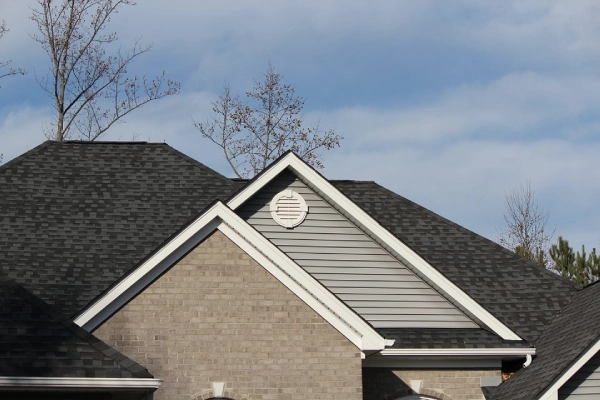
Installation Best Practices for Winter-Ready Roofs
Proper installation is just as important as selecting the right materials. Here are some best practices to ensure your roof stands up to snow and ice:
- Use Ice and Water Shield: Install a waterproof membrane along the eaves, valleys, and penetrations to block water from entering beneath the shingles.
- Ventilate the Attic: Adequate attic ventilation helps regulate roof temperature, reducing the risk of ice dam formation.
- Seal Gaps and Cracks: Use a high-quality sealant to close any openings where water could seep in.
- Follow Manufacturer Guidelines: Adhering to installation instructions ensures warranty coverage and optimal performance.
For those living in areas with frequent snowstorms, choosing products rated for asphalt shingles wind resistance can provide additional peace of mind.
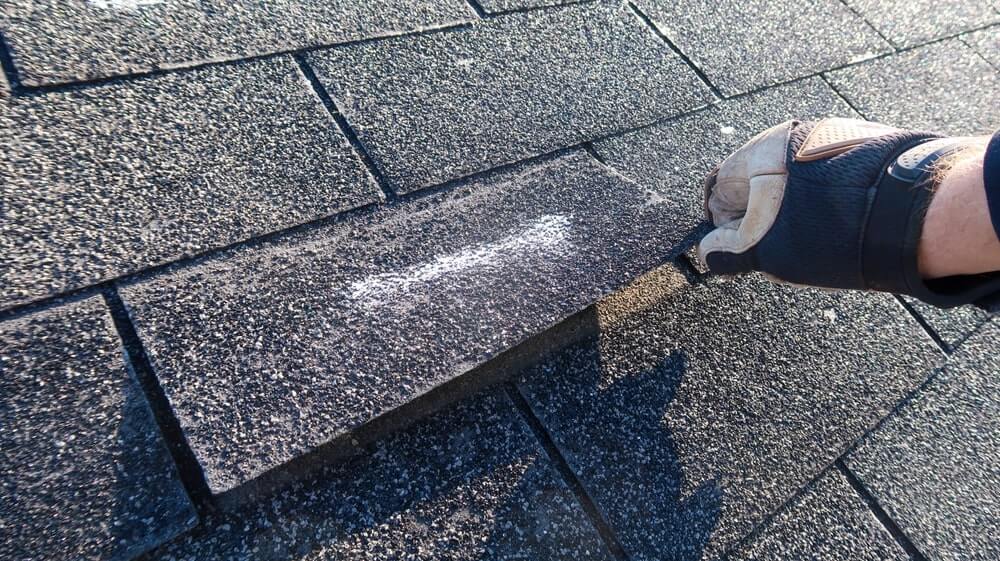
Maintenance Tips for Prolonging Roof Life in Snowy Regions
Even the most durable shingles need regular care to deliver long-term protection. Here are some maintenance tips for homeowners in cold climates:
- Clear Snow Buildup: Use a roof rake to remove excess snow, especially after heavy storms, to reduce weight and prevent ice dams.
- Inspect for Damage: Check for cracked, curled, or missing shingles after winter weather events and replace them promptly.
- Clean Gutters: Keep gutters and downspouts clear to allow melting snow to drain away from the roof.
- Monitor Attic Moisture: Watch for signs of condensation or leaks in the attic, which could indicate ventilation or insulation issues.
For those seeking the best products for harsh winters, our resource on cold weather roofing shingles highlights top picks for freezing temperatures.
Comparing Snow-Resistant Shingles to Other Roofing Options
When evaluating roofing materials, it’s helpful to compare snow-resistant shingles to alternatives like tile or metal. While tile roofs offer longevity and aesthetic appeal, they can be heavy and more susceptible to cracking under freeze-thaw cycles. Metal roofs, on the other hand, shed snow quickly but may require additional insulation to prevent condensation.
Asphalt-based options remain popular due to their balance of cost, performance, and ease of installation. For a detailed breakdown, see our article on asphalt vs tile roof to compare costs, weight, and longevity.
FAQ
What Makes a Shingle Snow Resistant?
Shingles designed for snowy climates feature enhanced waterproofing, impact resistance, and secure fastening systems. These characteristics help prevent water infiltration, withstand snow loads, and reduce the risk of ice dam damage.
How Can I Tell If My Roof Needs Snow-Resistant Shingles?
If you notice frequent ice dams, leaks, or shingle damage after winter storms, upgrading to a product engineered for cold weather can help protect your home. Homes in northern regions or areas with heavy snowfall benefit most from these specialized shingles.
Are There Other Steps I Should Take Besides Upgrading Shingles?
Yes. In addition to installing snow-resistant shingles, ensure your attic is well-insulated and ventilated, use ice and water shields, and keep gutters clear. Regular maintenance and prompt repairs are essential for lasting protection.
Conclusion
Investing in snow resistant roof shingles is a practical way to safeguard your home against winter’s toughest challenges. With the right materials, proper installation, and ongoing maintenance, you can minimize the risk of ice dams, leaks, and costly repairs. Take the time to research your options and consult with a roofing professional to ensure your roof is ready for whatever the season brings.