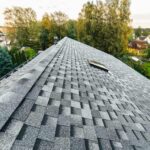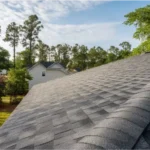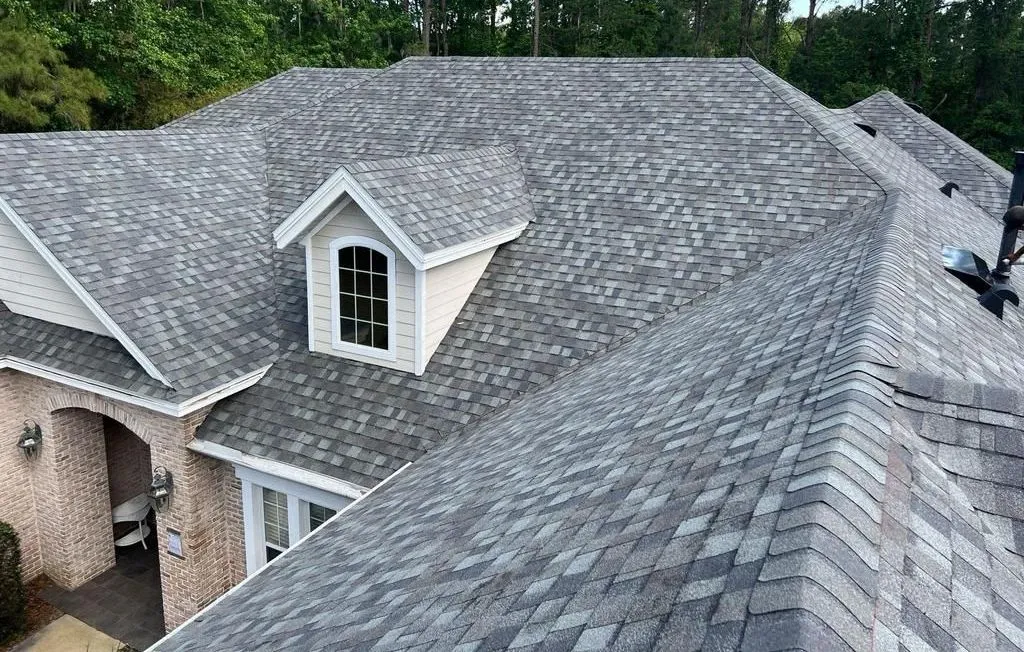
Asphalt shingles are one of the most popular roofing materials for homes across North America. They offer a balance of affordability, durability, and aesthetic appeal. However, even the best asphalt shingles can develop cracks over time, leading to leaks, reduced energy efficiency, and potential structural issues. Understanding why these cracks appear and how to address them is crucial for maintaining a safe, dry, and long-lasting roof.
This article explores the main causes of cracked asphalt shingles, how to spot the warning signs, and the most effective repair methods. You’ll also find practical tips for preventing future damage and guidance on when to call a professional. For those living in areas with harsh weather, you may also want to review our extreme weather roofing guide for additional protection strategies.
Main Causes of Shingle Cracking
There are several reasons why asphalt shingles develop cracks. Identifying the underlying cause can help you choose the best repair strategy and prevent recurrence.
- Age and Weathering: Over time, exposure to sunlight, rain, wind, and fluctuating temperatures causes shingles to dry out and become brittle. UV rays, in particular, break down the asphalt, leading to surface cracks.
- Thermal Cycling: Repeated expansion and contraction from hot days and cool nights can stress the shingle material, eventually causing splits or cracks.
- Poor Ventilation: Inadequate attic ventilation traps heat and moisture, accelerating the aging process of roofing materials and increasing the risk of cracking.
- Manufacturing Defects: Sometimes, shingles may have flaws from the factory, such as improper asphalt composition or insufficient reinforcement, making them more susceptible to damage.
- Improper Installation: Incorrect nailing, overdriven fasteners, or misalignment can weaken shingles and make them more likely to crack under stress.
- Extreme Weather: Hail, heavy snow, and high winds can all contribute to shingle cracking. If you live in a region with severe weather, consider reviewing our resources on snow resistant roof shingles and asphalt shingles wind resistance for added protection.
How to Identify Cracked Asphalt Shingles
Early detection is key to preventing leaks and costly repairs. Here are some signs to look for during a roof inspection:
- Visible cracks or splits running across the surface of shingles
- Granule loss, which may expose the black asphalt layer beneath
- Shingles that appear curled, cupped, or brittle to the touch
- Water stains or damp spots in your attic or on ceilings
- Loose or missing shingles, which often accompany cracking
It’s a good idea to inspect your roof at least twice a year—especially after severe weather events. Use binoculars for a ground-level check, or hire a professional for a thorough assessment if you’re unsure.
Repair Options for Damaged Shingles
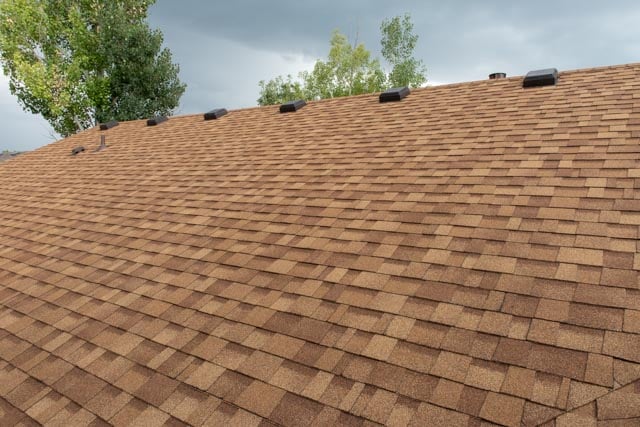
Once you’ve identified cracked or split shingles, it’s important to address the problem quickly to prevent water infiltration and further deterioration. Here are the most common repair methods:
Sealing Minor Cracks
For small, hairline cracks, a high-quality roofing sealant can be used to restore the shingle’s waterproof barrier. Clean the area thoroughly, apply the sealant according to the manufacturer’s instructions, and press the crack closed. This is a temporary fix, but it can extend the life of your roof until a more permanent solution is possible.
Replacing Individual Shingles
If the damage is more severe or the shingle is brittle and breaking apart, replacement is the best option. Carefully lift the surrounding shingles, remove the nails, and slide out the damaged piece. Install a new shingle, secure it with roofing nails, and seal the edges. For a step-by-step guide, you can refer to resources on asphalt shingle roofing basics.
Addressing Widespread Cracking
If large sections of your roof show cracking, it may be time for a partial or full replacement. This is especially true if your shingles are nearing the end of their expected lifespan (typically 15–30 years, depending on quality and climate). Consult a roofing professional to assess the extent of the damage and recommend the best course of action.
Prevention Tips for Asphalt Shingle Cracking
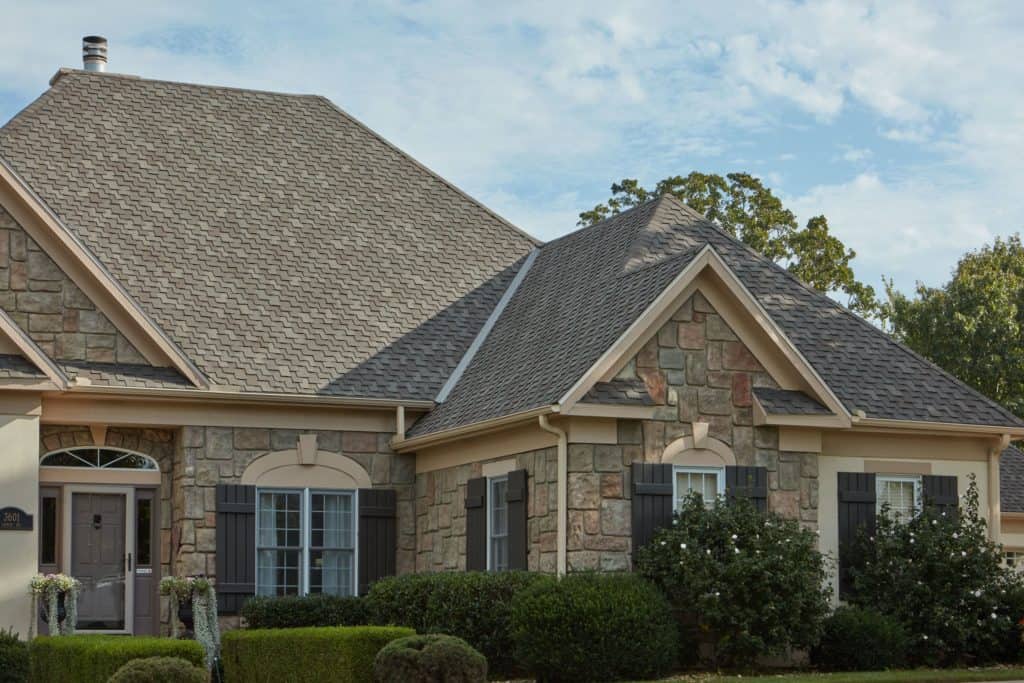
While some wear and tear is inevitable, there are steps you can take to minimize the risk of cracks and prolong the life of your roof:
- Ensure Proper Attic Ventilation: Good airflow reduces heat buildup and moisture, both of which accelerate shingle aging.
- Schedule Regular Inspections: Catching small issues early can prevent them from becoming major problems. Consider a professional inspection every 2–3 years.
- Clean Gutters and Downspouts: Keeping water flowing away from your roof prevents pooling and ice dams, which can stress shingles.
- Trim Overhanging Branches: Limiting shade and debris reduces moisture retention and physical abrasion.
- Choose Quality Materials: Investing in high-grade shingles and professional installation pays off in long-term durability. For wet climates, see our waterproof asphalt shingles guide.
When to Call a Roofing Professional
While many minor repairs can be handled by a handy homeowner, there are situations where professional help is recommended:
- Extensive cracking or damage across large roof areas
- Signs of leaks inside your home or attic
- Uncertainty about the cause or best repair method
- Steep or high roofs that pose safety risks
Qualified roofers can provide a thorough assessment, recommend appropriate repairs, and ensure your roof remains watertight and secure.
FAQ
How long do asphalt shingles typically last before cracking?
Most asphalt shingles last between 15 and 30 years, depending on the quality of the material, installation, and local climate. Regular maintenance and prompt repairs can help maximize their lifespan.
Can cracked shingles be repaired, or do they always need replacement?
Minor cracks can often be sealed with a roofing sealant, but shingles with severe or widespread cracking should be replaced to maintain the roof’s integrity. If you’re unsure, consult a roofing professional for guidance.
What are the risks of ignoring cracked shingles?
Leaving cracks unaddressed can allow water to seep beneath the roofing, leading to leaks, mold growth, wood rot, and even structural damage. Prompt repairs are essential to prevent costly problems down the road.
Are there shingles designed to resist cracking in extreme climates?
Yes, some shingles are specifically engineered for cold, wet, or windy environments. For recommendations, see our resources on cold weather roofing shingles and other climate-specific options.