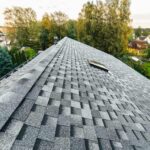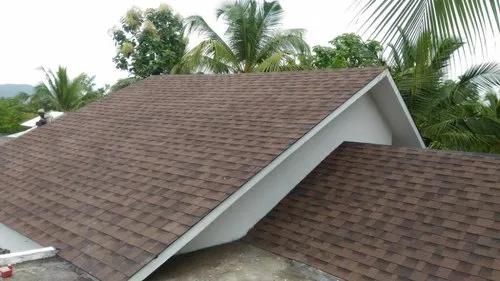
Choosing the right roofing material is crucial for homes and buildings located in areas with frequent rain, high humidity, or persistent dampness. Waterproof asphalt shingles have become a preferred choice for many property owners seeking reliable protection against moisture intrusion, leaks, and water-related damage. These advanced shingles are engineered to deliver both durability and effective water resistance, making them especially suitable for wet climates.
This guide explores the key features, installation tips, and maintenance strategies for maximizing the performance of moisture-resistant asphalt shingles. Whether you are planning a new roof or considering an upgrade, understanding the benefits and best practices for these shingles can help ensure long-term protection and peace of mind.
For those interested in how different shingle types perform in harsh conditions, the extreme weather roofing guide provides additional insights into selecting the toughest roofing materials for your region.
Understanding the Technology Behind Waterproof Asphalt Shingles
Modern asphalt shingles designed for wet environments incorporate several layers and advanced materials to enhance their water resistance. The core of these shingles typically consists of a fiberglass or organic mat, which is then coated with high-quality asphalt. This asphalt layer is specially formulated to repel water and resist saturation, even during prolonged exposure to rain or standing moisture.
On the surface, mineral granules are embedded to provide additional protection against UV rays and physical wear. Some premium products also feature a polymer-modified asphalt layer, which increases flexibility and further improves waterproofing capabilities. These design elements work together to create a robust barrier against leaks and moisture penetration.
Key Benefits of Moisture-Resistant Shingles for Wet Climates
There are several advantages to choosing waterproof asphalt shingles for properties in rainy or humid regions:
- Leak Prevention: Enhanced sealing and overlapping design minimize the risk of water infiltration, even during heavy downpours.
- Mold and Algae Resistance: Many products include additives that inhibit the growth of algae, moss, and mold, which are common in damp environments.
- Durability: These shingles are engineered to withstand repeated cycles of wetting and drying without curling, cracking, or losing granules.
- Low Maintenance: Their robust construction reduces the need for frequent repairs and helps maintain curb appeal over time.
- Energy Efficiency: Reflective granules can help reduce heat absorption, keeping interiors cooler and lowering energy costs.
For homes located in regions with snow or ice, consider reading about snow resistant roof shingles to learn how to prevent ice dam damage and further protect your investment.
Installation Tips for Maximum Water Protection
Proper installation is essential to ensure that asphalt shingles deliver their full waterproofing potential. Here are some best practices to follow:
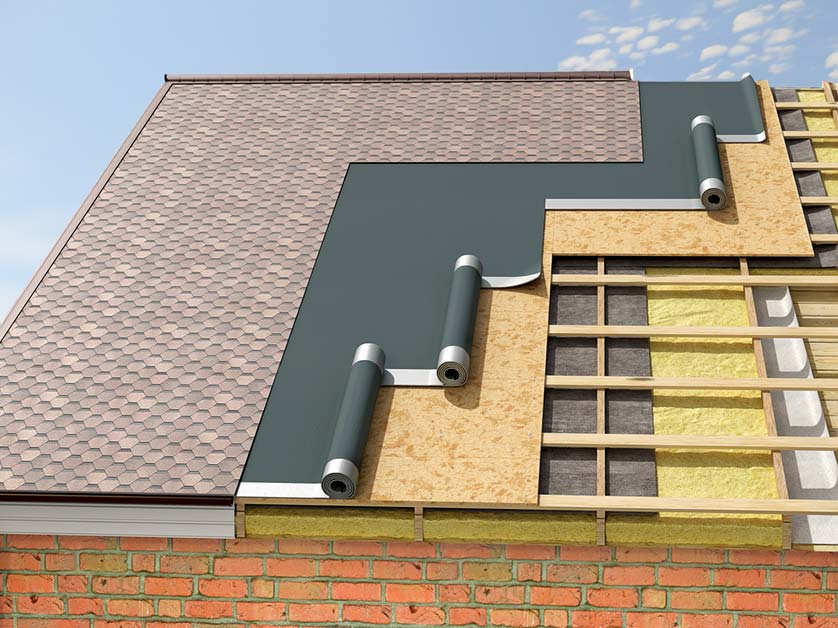
- Start with a Quality Underlayment: Use a waterproof membrane or synthetic underlayment beneath the shingles to provide an extra layer of defense against leaks.
- Seal All Joints and Penetrations: Apply roofing sealant around vents, chimneys, skylights, and valleys to prevent water from seeping through vulnerable areas.
- Maintain Correct Overlap: Ensure each shingle course overlaps the one below it according to manufacturer specifications to direct water away from the roof deck.
- Install Drip Edges: Metal drip edges at eaves and rakes help channel water off the roof and protect the underlying structure.
- Use High-Quality Fasteners: Corrosion-resistant nails or staples should be used to prevent rust and maintain shingle integrity over time.
For additional information on how asphalt shingles perform in high wind conditions, see the detailed article on asphalt shingles wind resistance.

Comparing Waterproof Asphalt Shingles to Other Roofing Options
When evaluating roofing materials for wet environments, it’s important to compare the performance of asphalt shingles to alternatives such as metal, tile, or synthetic roofing. While metal roofs offer excellent water resistance and longevity, they can be more expensive and may require specialized installation. Tile roofs provide good protection but are heavier and can be prone to cracking under freeze-thaw cycles.
Asphalt shingles stand out for their balance of affordability, ease of installation, and effective moisture protection. Their widespread availability and variety of styles make them a practical choice for many homeowners. For a comprehensive overview of different asphalt shingle types and their advantages, visit this guide to asphalt shingle roofing types and advantages.
Maintenance Strategies for Long-Lasting Water Resistance
Regular maintenance is essential to preserve the waterproof qualities of your asphalt shingle roof. Here are some practical tips:
- Inspect After Storms: Check for missing, cracked, or curled shingles following heavy rain or wind events.
- Clean Gutters and Downspouts: Remove debris to ensure proper drainage and prevent water from backing up under the shingles.
- Remove Moss and Algae: Use a gentle roof cleaner or a soft brush to clear organic growth, which can trap moisture and degrade shingles over time.
- Check Flashing and Sealants: Reapply sealant as needed around roof penetrations and inspect metal flashing for signs of rust or separation.
- Schedule Professional Inspections: Have a roofing expert assess your roof every few years to catch potential issues early.
For those living in regions with cold temperatures, the article on cold weather roofing shingles offers additional tips for maintaining roof integrity during freezing conditions.
When to Consider Upgrading to Enhanced Waterproofing
There are certain situations where upgrading to premium waterproof shingles or adding extra waterproofing measures is highly recommended:
- Older Roofs: If your current roof is nearing the end of its lifespan or has a history of leaks, upgrading can prevent costly water damage.
- Low-Slope Roofs: Roofs with a shallow pitch are more susceptible to water pooling and require superior moisture protection.
- Areas with Heavy Rainfall: Regions that experience frequent or intense rain benefit from the added security of advanced waterproofing.
- Storm-Prone Locations: For homes exposed to severe weather, consider combining waterproof shingles with impact- and wind-resistant features. More information can be found in the storm resistant roof shingles article.
Frequently Asked Questions
How do waterproof asphalt shingles differ from standard shingles?
Waterproof varieties use enhanced asphalt formulations, additional sealing strips, and sometimes polymer modifications to deliver superior resistance to moisture. These features help prevent leaks and extend the life of the roof in wet climates.
Can I install waterproof asphalt shingles myself?
While experienced DIYers may be able to install these shingles, professional installation is recommended to ensure all waterproofing details—such as underlayment, flashing, and sealant—are properly addressed. Mistakes during installation can compromise the roof’s water resistance.
How long do moisture-resistant asphalt shingles last?
With proper installation and maintenance, these shingles can last 20–30 years or more, depending on the product and local climate conditions. Regular inspections and prompt repairs help maximize their lifespan.
Conclusion
Investing in waterproof asphalt shingles is a smart decision for property owners in wet or humid environments. Their advanced design, ease of installation, and proven ability to resist leaks make them a reliable roofing solution. By following best practices for installation and maintenance, you can enjoy long-lasting protection and peace of mind, even in the harshest weather conditions.