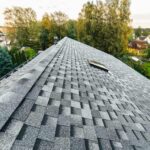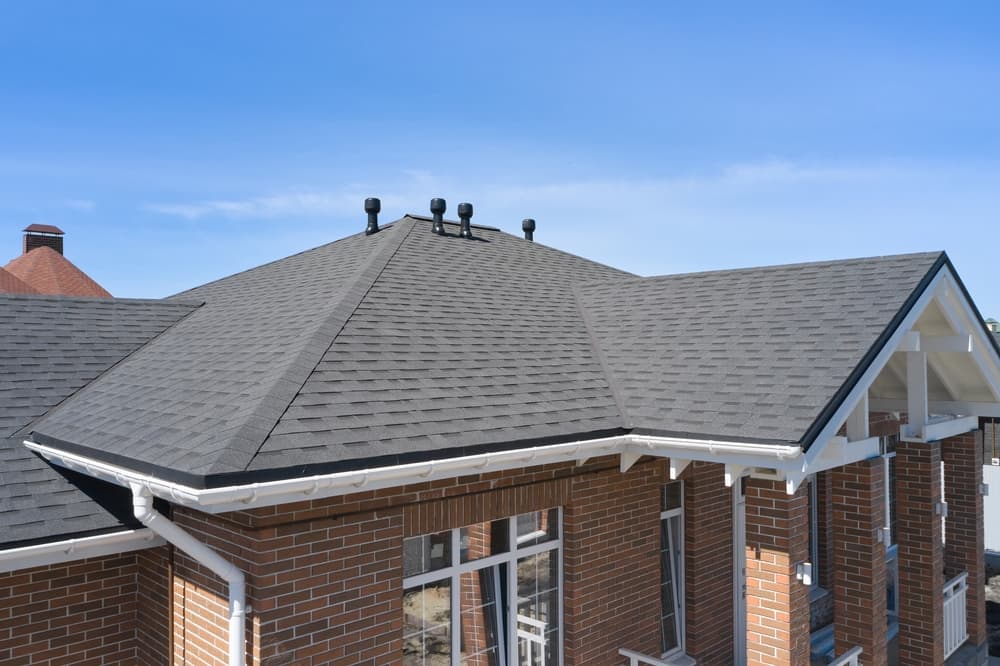
Choosing the right roofing material is a major decision for any homeowner. The debate between shingles vs metal roof options is common, with each material offering unique advantages and drawbacks. Factors like cost, durability, maintenance, appearance, and climate suitability all play a role in determining which type of roof will best protect your home and investment.
Whether you’re replacing an old roof or building a new home, understanding the differences between these two popular materials can help you make a confident, informed choice. In this article, we’ll break down the key features, pros, and cons of both asphalt shingles and metal roofing, so you can decide which solution aligns with your needs and budget.
For a deeper dive into the performance and cost of asphalt roofing, check out is asphalt roofing good for a comprehensive analysis.
Comparing Asphalt Shingles and Metal Roofing
Both asphalt shingles and metal panels are widely used in residential construction. Each material has its own set of characteristics that influence performance, appearance, and long-term value. Let’s explore how these two options stack up in several key areas.
Cost Considerations: Upfront and Long-Term
One of the first questions homeowners ask is about price. Asphalt shingles are generally less expensive upfront. Installation is straightforward, and materials are widely available, making them a budget-friendly choice for many. In contrast, metal roofs typically require a higher initial investment due to material costs and specialized installation. However, the story doesn’t end there.
While asphalt shingles may be cheaper to install, they usually need to be replaced every 15–30 years, depending on the type and climate. Metal roofs, on the other hand, can last 40–70 years or more with proper care. Over time, the durability of metal can offset its higher initial cost, especially if you plan to stay in your home for decades.
Durability and Weather Resistance
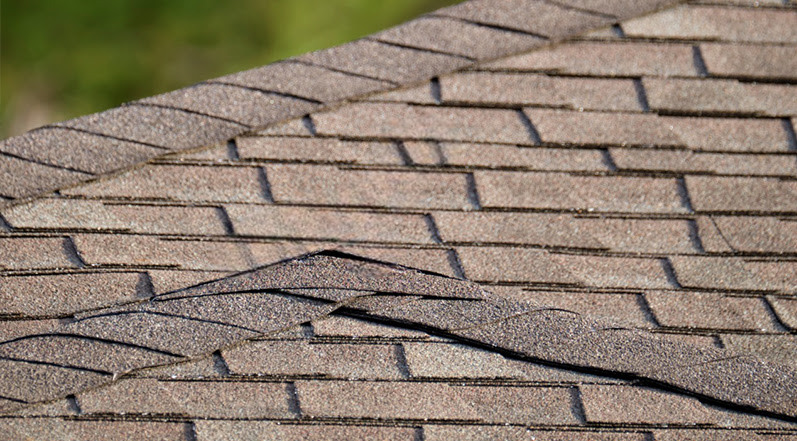
Durability is a major factor in the shingles vs metal roof decision. Asphalt shingles are designed to withstand moderate weather conditions, but they can be vulnerable to high winds, hail, and extreme temperatures. Over time, shingles may crack, curl, or lose granules, especially in harsh climates.
Metal roofing is known for its strength and resilience. It can handle heavy snow, hail, and strong winds better than most shingle products. Metal is also non-combustible, providing added protection in areas prone to wildfires. Some metal roofs are engineered with coatings that resist corrosion and fading, further extending their lifespan.
Maintenance and Repairs
Maintenance needs are another important aspect to consider. Asphalt shingles may require periodic inspections and repairs, especially after storms or as they age. Replacing damaged shingles is usually straightforward and affordable. For more details on the advantages of this material, see the benefits of asphalt shingles and why they remain a top choice in the U.S.
Metal roofs are generally low-maintenance. They resist moss, mildew, and insect damage, and rarely need repairs unless impacted by severe weather or falling debris. However, if repairs are needed, they can be more complex and may require specialized expertise.
Energy Efficiency and Environmental Impact
Energy efficiency is increasingly important for homeowners. Metal roofing reflects solar radiant heat, which can help reduce cooling costs in hot climates. Some metal roofs are made from recycled materials and are themselves recyclable at the end of their lifespan, making them a sustainable option.
Asphalt shingles absorb more heat, which can increase cooling demands in summer. However, new shingle technologies and lighter colors can improve reflectivity. If environmental impact is a concern, it’s worth noting that most asphalt shingles are not recyclable and contribute to landfill waste. For a closer look at the evolution of shingle materials, explore organic asphalt shingles and their pros and cons.
Appearance and Curb Appeal
The look of your roof can dramatically affect your home’s curb appeal. Asphalt shingles come in a wide variety of colors, textures, and styles, allowing homeowners to match almost any architectural design. From traditional three-tab to dimensional and luxury shingles, there’s a style for every taste. If you’re considering which type best suits your home and climate, learn more about the best type of asphalt shingles for your needs.
Metal roofing is available in panels or shingles and can mimic the appearance of slate, tile, or wood shakes. Modern metal roofs come in a broad spectrum of colors and finishes, offering a sleek, contemporary look or a classic aesthetic, depending on your preference.

Installation Process and Timeline
Asphalt shingles are relatively easy and quick to install, making them a popular choice for both new construction and re-roofing projects. Most roofing contractors are familiar with shingle installation, and the process can often be completed in a few days, depending on the size and complexity of the roof.
Metal roofing installation is more specialized and may take longer, especially for complex rooflines or custom designs. Proper installation is crucial to ensure weather-tightness and longevity. Hiring a contractor with experience in metal roofing is highly recommended.
Suitability for Different Climates
Climate plays a significant role in determining the best roofing material. Asphalt shingles perform well in moderate climates but may deteriorate faster in regions with extreme heat, cold, or frequent storms. For homeowners in areas with high humidity or heavy rainfall, shingles treated with algae-resistant coatings can help prevent staining and growth.
Metal roofs excel in a variety of climates, from snowy northern regions to hurricane-prone coastal areas. Their ability to shed snow and resist wind damage makes them a smart choice for challenging weather conditions. Additionally, metal’s fire resistance is a key advantage in wildfire-prone zones.
Pros and Cons: A Quick Reference Table
| Feature | Asphalt Shingles | Metal Roofing |
|---|---|---|
| Initial Cost | Lower | Higher |
| Lifespan | 15–30 years | 40–70+ years |
| Maintenance | Moderate | Low |
| Weather Resistance | Good (moderate climates) | Excellent (all climates) |
| Energy Efficiency | Moderate | High |
| Recyclability | Low | High |
| Style Options | Extensive | Varied |
| Noise | Quieter | Can be noisy in rain/hail |
Expert Resources and Further Reading
For a technical overview of how asphalt shingle systems work, visit this simple guide to understanding your asphalt shingle roofing system from the Asphalt Roofing Manufacturers Association. If you’re interested in modern options, fiberglass shingles offer enhanced durability and are worth considering as an alternative to traditional materials.
Frequently Asked Questions
Which roofing material lasts longer: shingles or metal?
Metal roofing generally outlasts asphalt shingles by a significant margin. While shingles may need replacement after 15–30 years, a well-installed metal roof can last 40–70 years or more, depending on the material and maintenance.
Are metal roofs noisier than shingle roofs?
Metal roofs can be noisier during heavy rain or hail, but proper insulation and underlayment can greatly reduce sound. Many homeowners find the difference negligible, especially with modern installation techniques.
Is it easier to repair asphalt shingles or metal roofing?
Asphalt shingles are usually easier and less expensive to repair. Damaged shingles can often be replaced individually. Metal roofing repairs may require specialized skills and materials, making them more complex and sometimes costlier.
Conclusion: Making the Right Choice
Deciding between shingles vs metal roof options comes down to your budget, climate, aesthetic preferences, and long-term plans for your home. Asphalt shingles offer affordability and a wide range of styles, while metal roofing delivers unmatched durability and energy efficiency. By weighing the pros and cons outlined here and consulting with a reputable roofing contractor, you can select the material that best fits your needs and protects your home for years to come.