Choosing the right shingles for your roof is especially important in regions where temperatures drop below freezing. Not all roofing materials are designed to withstand harsh winter conditions, and the wrong choice can lead to leaks, cracking, and costly repairs. Homeowners and contractors alike need to understand which shingles perform best in cold climates, what features to look for, and how to ensure a long-lasting, weather-resistant installation.
In this guide, we’ll explore the top options for cold weather roofing shingles, discuss what makes certain materials more resilient in freezing temperatures, and provide practical advice for anyone considering a winter roofing project. If you’re weighing different materials, you may also find it helpful to compare asphalt vs tile roof options for cost, weight, and longevity.

What Makes Shingles Suitable for Cold Climates?
Not all shingles are created equal when it comes to handling snow, ice, and sub-zero temperatures. The best cold weather roofing shingles are engineered to remain flexible and durable even as the mercury drops. Here are some key features to look for:
- Flexibility at Low Temperatures: Shingles that stay pliable are less likely to crack during installation or under the stress of freeze-thaw cycles.
- Enhanced Adhesion: Cold-resistant adhesives help shingles seal properly, preventing wind uplift and water infiltration.
- Impact Resistance: Hail and ice can damage brittle shingles, so materials rated for impact resistance are a smart choice.
- Waterproofing: Effective granule coverage and waterproof underlayment are essential to keep moisture out.
Understanding the composition of roofing shingles is also important. For a deeper dive into what goes into these materials and why it matters, check out this comprehensive explanation of asphalt shingle construction.
Top Types of Shingles for Freezing Temperatures
Several shingle types have proven performance in cold climates. Here’s a breakdown of the most reliable options:
Architectural Asphalt Shingles
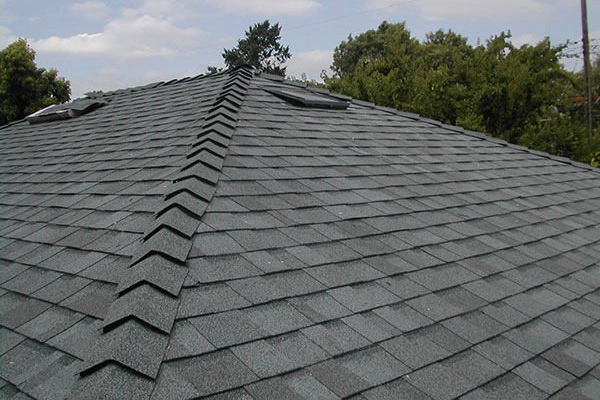
Architectural or laminated shingles are a popular choice for cold regions. They are thicker and more durable than standard 3-tab shingles, offering better wind and impact resistance. Many manufacturers design these shingles with cold-weather adhesives that activate at lower temperatures, ensuring a strong seal even in winter.
For more information on performance and cost, you might want to read is asphalt roofing good to understand how asphalt holds up in various climates.
Fiberglass Shingles
Fiberglass-based shingles are reinforced with a glass fiber mat, making them lighter and more fire-resistant than organic asphalt shingles. Their structure also provides excellent resistance to cracking in cold weather. Many modern fiberglass shingles are manufactured with advanced adhesives and coatings that help them seal tightly and resist moisture intrusion.
Impact-Resistant Shingles
For areas prone to hail or heavy snow, impact-resistant shingles (often rated Class 4) are a wise investment. These shingles are engineered to withstand impacts from ice and debris, reducing the risk of damage during winter storms. They typically feature a reinforced backing and enhanced granule adhesion.
Metal Shingles
While not technically a shingle in the traditional sense, metal roofing panels and shingles are increasingly popular in cold climates. Metal sheds snow efficiently, resists ice damming, and remains unaffected by freezing temperatures. If you’re considering alternatives, see how shingles vs metal roof compare for your specific needs.
Installation Tips for Cold Weather Roofing Projects
Installing shingles in cold weather requires extra care to avoid damage and ensure a proper seal. Here are some practical tips for winter roofing jobs:
- Store Materials Indoors: Keep shingles and adhesives at room temperature until just before installation to maintain flexibility.
- Use Specialized Adhesives: Select products formulated for low-temperature application to ensure proper bonding.
- Hand-Seal Shingles: In very cold weather, rely on hand-applied roofing cement or sealant to secure tabs and edges.
- Work Safely: Snow and ice increase slip hazards. Always use fall protection and clear the roof before starting work.
- Check Manufacturer Guidelines: Some manufacturers specify minimum installation temperatures. Always follow their recommendations for best results.
Maintenance and Longevity in Freezing Conditions
Even the best cold weather shingles require regular maintenance to maximize their lifespan. Here’s how to keep your roof in top shape through winter and beyond:
- Inspect Annually: Look for cracked, loose, or missing shingles after each winter season.
- Clear Debris: Remove leaves and branches that can trap moisture and cause ice dams.
- Address Ice Dams Promptly: Ice dams can force water under shingles, leading to leaks. Ensure your attic is well-insulated and ventilated to minimize this risk.
- Repair Damage Quickly: Use a quality sealant to fix minor cracks or leaks before they worsen. For reliable options, consider the products featured above.
If you’re interested in the advantages of asphalt products, see the benefits of asphalt shingles for more details on why they remain a top choice in America.
Comparing Organic and Fiberglass Asphalt Shingles
Asphalt shingles come in two main varieties: organic and fiberglass. Organic shingles use a paper-based mat, while fiberglass shingles use a glass fiber mat. In cold climates, fiberglass options are generally preferred due to their superior resistance to moisture and temperature fluctuations. Organic shingles, though still available, are more prone to absorbing water and becoming brittle over time.
For a detailed breakdown of the differences, including pros and cons, visit this resource on organic asphalt shingles.
Frequently Asked Questions
Can I Install Shingles in Freezing Temperatures?
Yes, but extra precautions are needed. Shingles can become brittle and adhesives may not activate properly in extreme cold. Use products rated for low-temperature installation, store materials indoors, and hand-seal tabs as needed.
Which Shingle Type Lasts Longest in Cold Climates?
Architectural asphalt and fiberglass shingles are both excellent for cold weather, with lifespans of 20–30 years or more when properly installed and maintained. Impact-resistant and metal options can last even longer, especially in areas with frequent hail or heavy snow.
How Do I Prevent Ice Dams on My Roof?
Proper attic insulation and ventilation are key to preventing ice dams. Keep gutters clear, install ice and water shield membranes, and address any signs of poor airflow in your attic space.
Conclusion
Choosing the right cold weather roofing shingles is essential for protecting your home from the challenges of winter. Look for flexible, impact-resistant materials with strong adhesion and waterproofing features. Whether you opt for architectural asphalt, fiberglass, or metal, proper installation and maintenance will ensure your roof stands up to freezing temperatures for years to come.