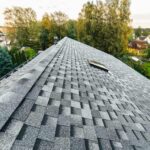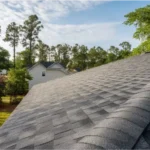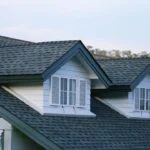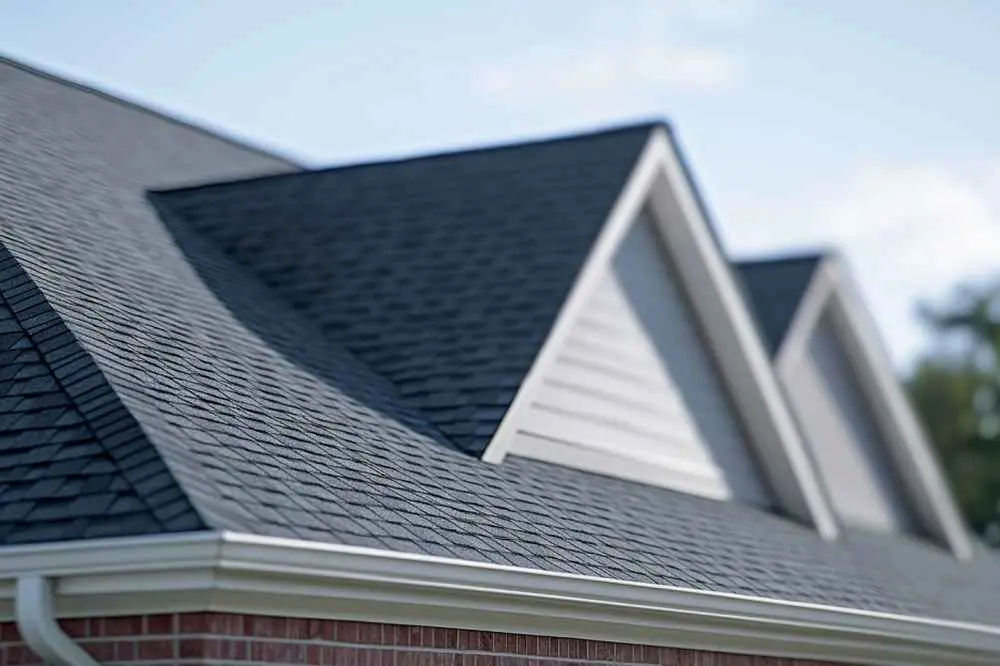
Severe weather can strike at any time, putting your home’s roof to the ultimate test. High winds, pounding hail, heavy rain, and even flying debris can cause significant damage if your roofing materials aren’t up to the challenge. That’s why many homeowners are turning to storm resistant roof shingles for peace of mind and long-term protection. These advanced shingles are engineered to withstand the harshest elements, helping you avoid costly repairs and extend the life of your roof.
Choosing the right roofing solution is about more than just durability. It’s also about energy efficiency, curb appeal, and making sure your investment stands strong for years to come. If you’re weighing your options, you might also be interested in how different materials perform in other tough conditions—take a look at our guide on cold weather roofing shingles for insights on roofs built for freezing temperatures.
What Makes a Shingle Storm Resistant?
Not all shingles are created equal. To be considered truly storm resistant, roofing shingles must meet strict industry standards for wind, impact, and water resistance. Here are the key features that set these products apart:
- Wind Resistance: Many premium shingles are rated to withstand winds up to 130 mph or more, thanks to reinforced nailing zones and advanced adhesive strips.
- Impact Resistance: Specially formulated asphalt and fiberglass layers help these shingles absorb and disperse the force of hail and debris, reducing the risk of cracks and punctures.
- Water Shedding: Storm-grade shingles often feature enhanced sealing technology that prevents water infiltration even during driving rain.
- Fire Resistance: Many of these products also carry a Class A fire rating, the highest available for residential roofing.
When shopping for storm-ready shingles, look for products that have been tested and certified by recognized organizations such as Underwriters Laboratories (UL) or ASTM International. These certifications provide assurance that the shingles can perform under extreme conditions.
Types of Storm-Ready Shingles
There are several categories of shingles designed for superior weather protection. Here’s an overview of the most popular options:
Architectural Asphalt Shingles
Architectural (or dimensional) shingles are a top choice for homeowners seeking a balance of affordability and performance. Their multi-layered construction gives them extra strength and a more attractive, dimensional look. Many leading brands offer architectural shingles with enhanced wind and impact ratings, making them a practical option for storm-prone regions.
Impact-Resistant Shingles
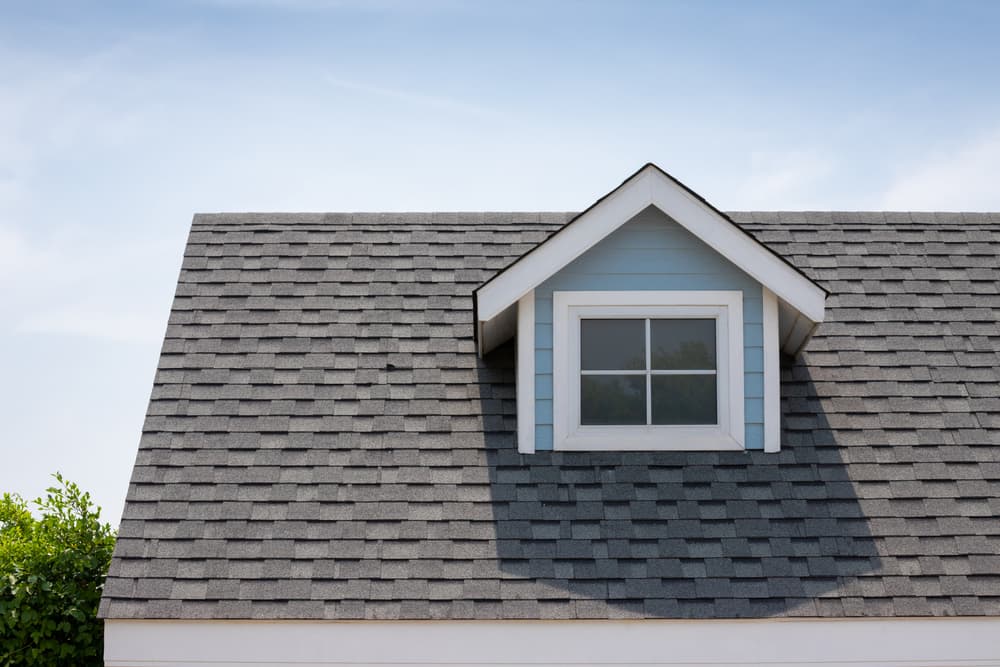
For areas frequently hit by hailstorms, impact-resistant shingles are a smart investment. These products are typically rated Class 4 (the highest impact rating) and are built to withstand the force of large hailstones without cracking or breaking. They often feature reinforced mats and rubberized asphalt for extra durability.
Designer and Luxury Shingles
Some manufacturers offer high-end shingles that combine advanced storm protection with upscale aesthetics. These products may mimic the look of slate or wood shakes while delivering all the benefits of modern engineering, including superior wind and impact resistance.
Benefits of Upgrading to Weather-Resistant Shingles
Investing in storm resistant roof shingles offers several advantages beyond just weather protection:
- Lower Insurance Premiums: Many insurers offer discounts for homes with impact-rated roofing, potentially saving you money over time.
- Reduced Maintenance: Stronger shingles mean fewer repairs after storms and less risk of leaks or water damage.
- Longer Lifespan: These products are engineered to last, often outlasting standard shingles by several years.
- Improved Home Value: A robust, attractive roof can enhance curb appeal and boost resale value.
For a deeper dive into the pros and cons of different asphalt options, check out this comprehensive guide to asphalt shingle roofs from an industry expert.
How to Choose the Right Storm-Ready Roofing
With so many products on the market, selecting the best shingles for your home can feel overwhelming. Here are a few tips to guide your decision:
- Assess Local Risks: Consider the most common weather threats in your area—high winds, hail, or heavy rain—and choose shingles rated to handle those conditions.
- Check Certifications: Look for products with UL 2218 Class 4 impact ratings and high wind resistance certifications.
- Compare Warranties: Leading manufacturers often back their storm-grade shingles with extended warranties, reflecting confidence in their performance.
- Consult a Professional: A qualified roofing contractor can recommend the best options for your specific roof design and climate.
It’s also helpful to compare different roofing materials. If you’re torn between options, our article on shingles vs metal roof breaks down the pros and cons of each for storm protection and beyond.

Installation and Maintenance Tips for Weatherproof Shingles
Even the best shingles can’t do their job if they’re not installed correctly. Here’s how to maximize the benefits of your investment:
- Hire Certified Installers: Choose contractors with experience in storm-grade roofing systems and manufacturer certifications.
- Follow Manufacturer Guidelines: Proper nailing patterns, underlayment, and ventilation are essential for optimal performance.
- Regular Inspections: Check your roof after major storms for loose, missing, or damaged shingles and address issues promptly.
- Seal Vulnerable Areas: Use high-quality sealants around flashing, vents, and valleys to prevent leaks.
Routine care and timely repairs can dramatically extend the lifespan of your roof. For more on maximizing the value of your asphalt investment, see our article on the benefits of asphalt shingles.
Cost Considerations and Value
Storm-grade shingles typically cost more upfront than standard options, but the long-term savings can be substantial. Fewer repairs, lower insurance premiums, and a longer lifespan all contribute to a better return on investment. When comparing costs, factor in the potential expenses of storm damage and the peace of mind that comes with superior protection.
If you’re curious about how these shingles stack up against other materials in terms of cost, weight, and longevity, our comparison of asphalt vs tile roof provides a detailed breakdown.
FAQ: Storm-Resistant Roofing Solutions
What is the difference between standard and storm-resistant shingles?
Standard shingles are designed for typical weather conditions, while storm resistant roof shingles are engineered to withstand high winds, hail, and heavy rain. They use stronger materials, reinforced layers, and advanced adhesives to provide extra protection and durability.
How do I know if my shingles are impact rated?
Look for a UL 2218 Class 4 rating on the product packaging or manufacturer’s website. This rating indicates the shingles have passed rigorous impact tests and are suitable for areas prone to hail and flying debris.
Can I install storm-grade shingles over my existing roof?
While some building codes allow for a second layer of shingles, it’s generally best to remove old roofing before installing new storm-resistant products. This ensures a secure fit and allows for inspection and repair of the underlying roof deck.
Are there other benefits to using weather-resistant shingles?
Yes. In addition to storm protection, these shingles often offer improved fire resistance, better energy efficiency, and enhanced curb appeal. Many also come with longer warranties than standard products.
Where can I learn more about different roofing options?
For more information on how various materials perform in different climates, see our guides on is asphalt roofing good and shingles vs metal roof.