Choosing the right roofing material is a significant decision for any homeowner. Two of the most popular options—asphalt shingles and tile roofing—each offer distinct advantages and drawbacks. Understanding the differences in cost, weight, and lifespan can help you select the best fit for your home, climate, and budget. This guide breaks down the key factors, including installation expenses, structural considerations, and long-term durability, so you can make an informed choice.
For those interested in a deeper dive into the performance and value of asphalt options, see is asphalt roofing good for a detailed evaluation.
Material Overview: Asphalt Shingles and Tile Roofing
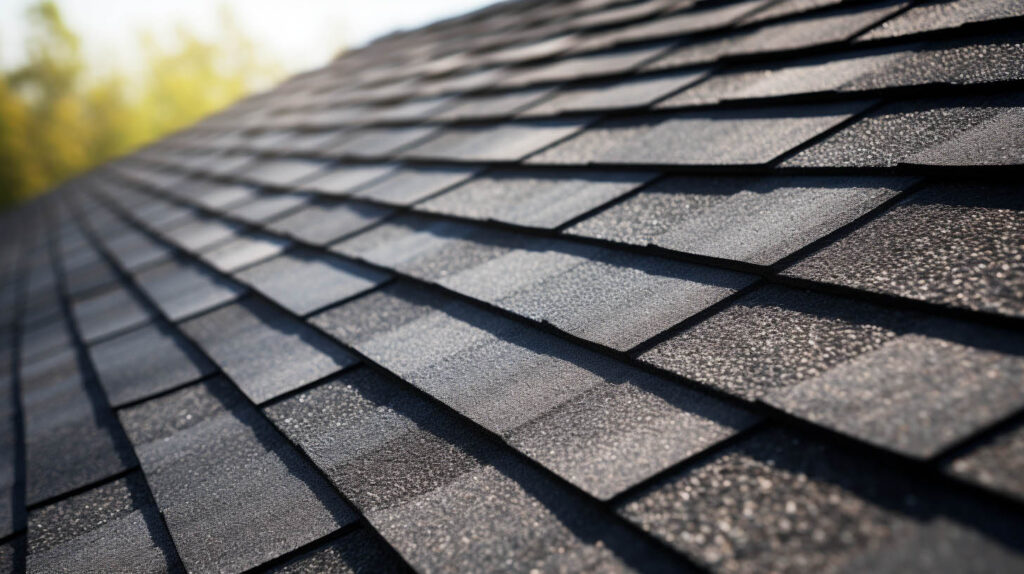
When comparing asphalt vs tile roof options, it’s important to understand what sets these materials apart. Asphalt shingles are made from a fiberglass or organic base, coated with asphalt and topped with mineral granules. They are lightweight, flexible, and widely used in North America. Tile roofing, on the other hand, typically consists of clay or concrete tiles, offering a distinctive, classic appearance and exceptional durability.
Both materials come in a range of styles and colors, but their composition and installation requirements differ significantly. Asphalt shingles are easier and faster to install, while tile roofs require more specialized labor and structural support due to their weight.
Cost Comparison: Installation and Long-Term Value
One of the most significant differences between these roofing types is the upfront and lifetime cost. Asphalt shingles are generally the most affordable roofing material available. The average cost to install asphalt shingles ranges from $4 to $8 per square foot, depending on the quality and region. Tile roofing, by contrast, can cost between $10 and $20 per square foot, sometimes even more for premium clay tiles or complex installations.
While the initial investment for tile is much higher, its longevity can offset some of the cost over time. Asphalt shingles typically last 15 to 30 years, depending on the product and climate. Tile roofs, especially clay, can endure for 50 years or more with proper maintenance. However, repairs for tile can be expensive, and not all homes are structurally suited for the additional weight.
For homeowners seeking more details on the advantages of asphalt, the article on the benefits of asphalt shingles covers why this material remains a top choice in the U.S.
Weight and Structural Considerations
Another crucial factor in the asphalt vs tile roof debate is weight. Asphalt shingles are among the lightest roofing materials, weighing approximately 200 to 350 pounds per square (100 square feet). This makes them suitable for nearly any residential structure without additional reinforcement.
Tile roofs are much heavier. Concrete tiles can weigh 800 to 1,100 pounds per square, while clay tiles may reach up to 1,500 pounds per square. Installing a tile roof often requires structural upgrades to the home’s framing to support the extra load. This can add significant cost and complexity to the project, especially for older homes not originally designed for such weight.
Longevity and Maintenance Needs
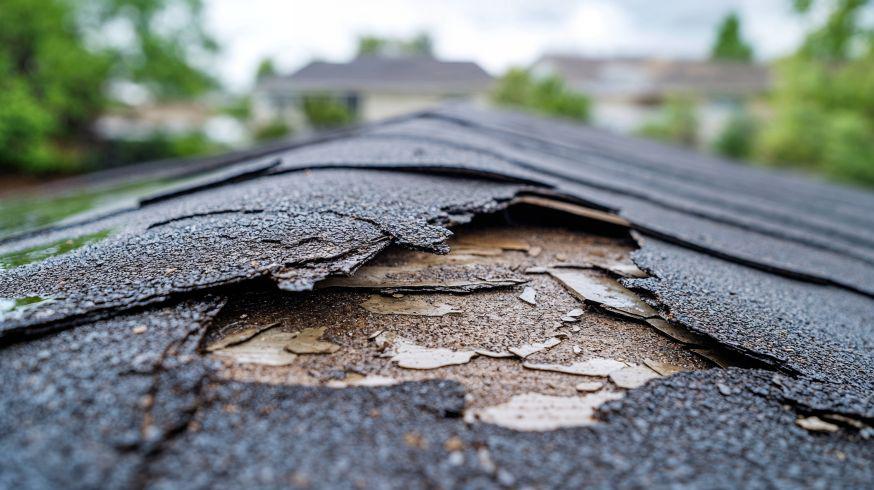
Durability is a key consideration for any roofing investment. Asphalt shingles, while affordable and easy to install, have a shorter lifespan compared to tile. Most asphalt roofs last between 15 and 30 years, though high-quality architectural shingles may reach up to 40 years in ideal conditions. Maintenance typically involves replacing damaged shingles, sealing leaks, and keeping the roof clear of debris.
Tile roofs are renowned for their longevity. Clay and concrete tiles can last 50 years or more, with some historic tile roofs exceeding a century. They are highly resistant to fire, insects, and rot. However, individual tiles can crack or break from impact, requiring careful replacement. Regular inspections are recommended to catch minor issues before they lead to leaks or structural problems.
For those interested in the evolution of asphalt products, the article on organic asphalt shingles provides historical context and explains the pros and cons of traditional shingle types.
Climate Suitability and Energy Efficiency
Both roofing materials perform differently depending on the local climate. Asphalt shingles are versatile and perform well in most regions, but they can degrade faster in areas with extreme heat, intense sunlight, or rapid temperature changes. Some modern shingles are engineered for better UV and impact resistance, making them suitable for harsher environments.
Tile roofs excel in hot, sunny climates. Their thermal mass helps regulate indoor temperatures by absorbing and slowly releasing heat, which can reduce cooling costs in summer. Tiles are also highly resistant to wind and hail, making them a good choice for storm-prone regions. However, in areas with frequent freeze-thaw cycles, tiles may be more prone to cracking unless specifically rated for such conditions.
For a closer look at the different types of asphalt shingles and their performance in various climates, see the guide to the best type of asphalt shingles for your home and region.
Installation Process and Labor Requirements
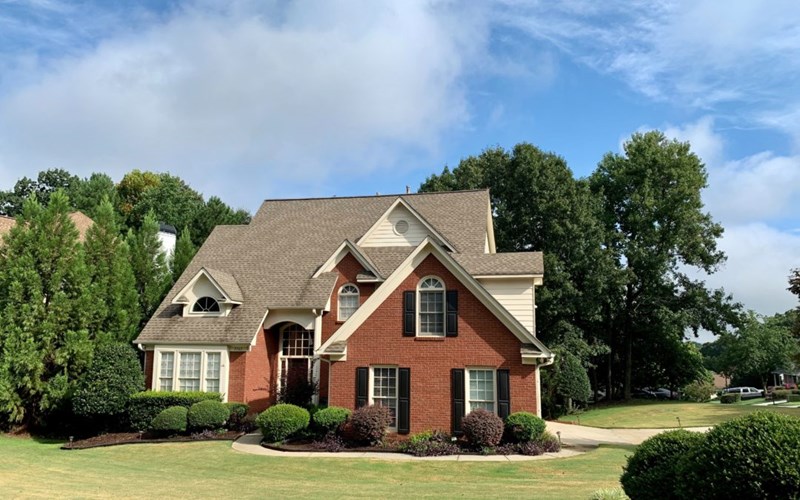
Asphalt shingles are favored for their straightforward installation. Most roofing contractors are experienced with this material, and the process is relatively quick, often taking only a few days for an average-sized home. This helps keep labor costs down and minimizes disruption to your household.
Tile roofing installation is more complex. The roof deck may need reinforcement to handle the additional weight, and the tiles must be carefully laid and secured to prevent shifting or cracking. This process takes longer and requires skilled labor, which contributes to the higher overall cost. Homeowners should ensure their contractor has experience with tile installations to avoid common pitfalls.
For more on the modern durability of asphalt products, the article on fiberglass shingles explores how these newer materials offer improved performance and longevity.
Environmental Impact and Recycling
Environmental considerations are increasingly important for homeowners. Asphalt shingles are petroleum-based and, while recyclable, are often disposed of in landfills after removal. However, some regions have programs to repurpose old shingles into road materials or other products. Tile roofs, made from natural clay or concrete, are more eco-friendly and can often be recycled at the end of their lifespan. Their long service life also means fewer replacements over time, reducing overall waste.
For those interested in the different varieties of asphalt products, this guide to asphalt shingle types offers a comprehensive overview of available options and their environmental profiles.
Pros and Cons at a Glance
| Feature | Asphalt Shingles | Tile Roofing |
|---|---|---|
| Cost | Lower upfront, affordable repairs | High initial investment, costly repairs |
| Weight | Lightweight, easy installation | Heavy, may require structural upgrades |
| Longevity | 15–30 years (up to 40 with premium) | 50+ years (some over 100) |
| Maintenance | Simple, periodic shingle replacement | Occasional tile replacement, inspections |
| Climate Suitability | Versatile, less ideal for extreme heat | Excellent for hot, sunny regions |
| Environmental Impact | Petroleum-based, some recycling | Natural materials, highly recyclable |
Frequently Asked Questions
Which roof type is better for resale value?
Tile roofs often add more curb appeal and can increase a home’s resale value, especially in regions where this style is popular. However, a well-maintained asphalt roof can also boost value, particularly if it’s a high-quality architectural shingle.
Can my house support a tile roof?
Not all homes are built to handle the weight of tile. A structural engineer or experienced roofer should inspect your framing before installation. Reinforcements may be needed, which can add to the project’s cost and timeline.
How do weather conditions affect each roofing type?
Asphalt shingles can deteriorate faster in extreme heat or rapid temperature swings, while tile roofs are more resistant to sun and wind but may crack in freeze-thaw climates. Always choose materials rated for your specific region.
Are there different types of asphalt shingles?
Yes, asphalt shingles come in several varieties, including three-tab, architectural, and premium options. Each offers different levels of durability, appearance, and cost. For more details, refer to best type of asphalt shingles.
Ultimately, the choice between these two roofing materials depends on your budget, home structure, climate, and personal preferences. By weighing the pros and cons of each, you can select a roof that offers the best balance of cost, durability, and style for your needs.