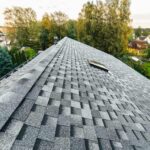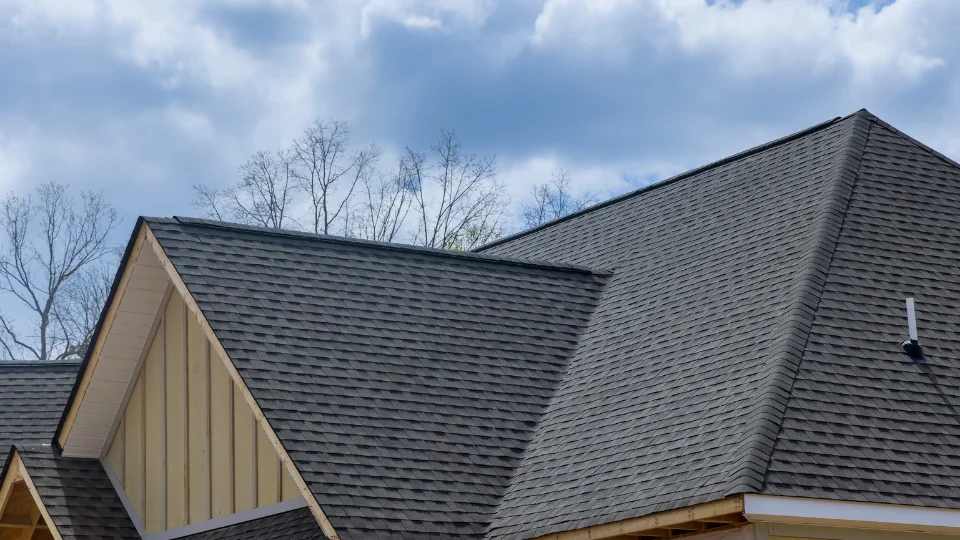
Homeowners often notice raised, bubble-like spots on their asphalt shingles and wonder what’s happening to their roof. These unsightly blemishes, known as blistering roof shingles, can signal underlying issues that may compromise the integrity of your roofing system. Recognizing the causes, risks, and solutions for this problem is essential for maintaining a durable, weather-resistant home.
Blistering occurs when pockets of moisture or trapped gases expand beneath the surface of the shingle, causing it to swell and eventually rupture. While a few blisters may seem harmless, widespread or severe blistering can shorten the lifespan of your roof and lead to more costly repairs down the line.
For those dealing with related shingle problems, learning about cracked asphalt shingles can provide additional insights into common roof damage and repair strategies.
What Are Blistering Shingles?
Blistering on asphalt shingles refers to the formation of raised, bubble-like protrusions on the surface of the roofing material. These blisters can range in size from small pinheads to larger, more noticeable bubbles. Over time, they may burst, leaving behind pitted or bare spots that expose the underlying layers of the shingle.
Unlike granule loss or cracking, which are often caused by physical wear or weather, blisters are primarily the result of internal factors during manufacturing, installation, or environmental exposure. Understanding the difference helps homeowners identify the right approach to maintenance and repair.
Main Causes of Shingle Blistering
Several factors contribute to the development of blistering roof shingles. The most common causes include:
- Trapped Moisture: During the manufacturing process, if moisture becomes trapped within the shingle, it can later vaporize under heat, causing the surface to bubble.
- Poor Ventilation: Inadequate attic ventilation leads to excessive heat buildup beneath the roof deck. This heat can accelerate the vaporization of any trapped moisture or volatile compounds, resulting in blisters.
- Improper Installation: Installing shingles on a wet or damp roof deck can introduce moisture, increasing the risk of blistering as the roof heats up.
- Low-Quality Materials: Shingles made with subpar asphalt or insufficient granule coverage are more prone to developing blisters.
- Extreme Weather: Prolonged exposure to high temperatures and direct sunlight can exacerbate the problem, especially in regions with intense summer heat.
For a deeper understanding of shingle composition and why quality matters, see this detailed guide on asphalt shingle materials.
Risks Associated With Blistered Shingles
While a few isolated blisters may not immediately threaten your roof’s performance, widespread blistering can lead to several risks:
- Accelerated Granule Loss: When blisters pop, they often dislodge the protective granules, leaving the asphalt exposed to UV rays and weather.
- Reduced Waterproofing: Exposed asphalt is more susceptible to water infiltration, increasing the risk of leaks and water damage inside the home.
- Shortened Roof Lifespan: Extensive blistering can cause premature aging, requiring earlier replacement of shingles or even the entire roof.
- Decreased Curb Appeal: Visible blisters and pitted areas can make a roof look old and neglected, potentially affecting property value.
In climates with heavy rainfall or snow, blistered shingles may also compromise the roof’s ability to shed water efficiently. For homeowners in wet regions, exploring waterproof asphalt shingles can offer additional protection.
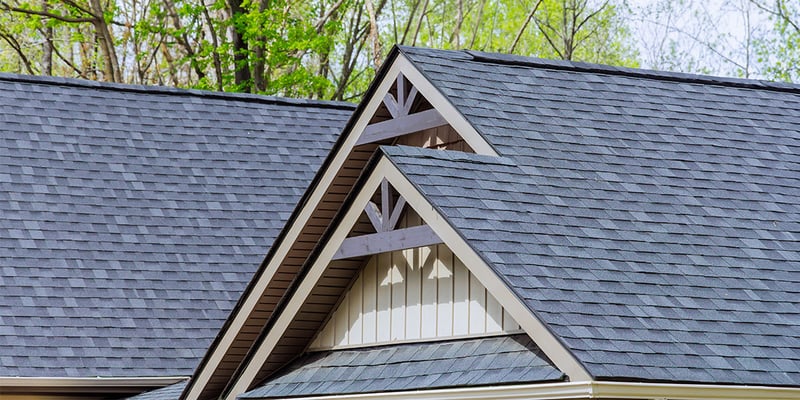
How to Identify Blistering on Your Roof
Spotting shingle blisters is relatively straightforward, but distinguishing them from other types of damage is important. Here’s what to look for:
- Small, raised bubbles or bumps on the surface of the shingle
- Clusters of blisters, often more visible in areas exposed to direct sunlight
- Pitted or bare spots where blisters have burst and granules are missing
- Shingles that feel soft or spongy in the affected areas
It’s best to inspect your roof from the ground with binoculars or hire a professional to avoid the risks of climbing. If you notice other issues such as cracks or curling, you may also want to review the extreme weather roofing guide for tips on choosing more resilient materials.
Prevention Tips for Homeowners
While some causes of blistering roof shingles originate during manufacturing, there are several steps homeowners can take to minimize the risk:
- Ensure Proper Attic Ventilation: Good airflow prevents excessive heat buildup, reducing the likelihood of blisters forming.
- Install Only on Dry Surfaces: Make sure the roof deck is completely dry before shingle installation to avoid trapping moisture.
- Choose High-Quality Shingles: Opt for reputable brands with proven manufacturing standards and robust granule coverage.
- Schedule Regular Inspections: Annual or biannual roof checks can catch early signs of blistering and other damage.
- Address Repairs Promptly: If you notice blisters, cracks, or missing granules, take action quickly to prevent further deterioration.
For those living in areas prone to snow and ice, using snow resistant roof shingles can help prevent winter-related roof problems that may exacerbate blistering and other damage.
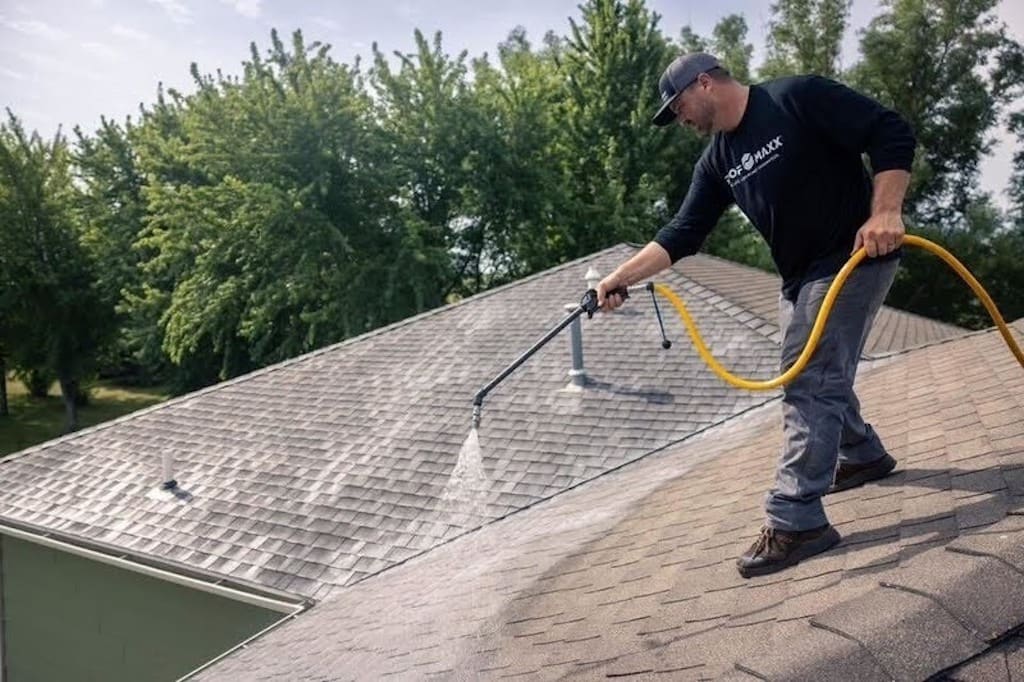
Repair and Replacement Options
Once blistering occurs, the best course of action depends on the extent of the damage:
- Minor Blistering: If only a few shingles are affected and the blisters haven’t burst, monitoring may be sufficient. Avoid walking on the roof, as pressure can pop the blisters and worsen the problem.
- Localized Damage: For areas where blisters have burst and granules are missing, replacing the affected shingles is recommended. This helps maintain the roof’s waterproofing and appearance.
- Widespread Blistering: If large sections of the roof are impacted, a full replacement may be necessary. Upgrading to higher-quality or more weather-resistant shingles can prevent future issues.
Applying a high-quality roof sealant can provide temporary protection, but it’s not a permanent fix for severe blistering. For those considering a full replacement, exploring cold weather roofing shingles or other specialty products can help ensure long-term durability in challenging climates.
Frequently Asked Questions
Are Blistered Shingles Covered by Warranty?
Coverage depends on the manufacturer and the cause of the blistering. If the issue is due to a manufacturing defect, it may be covered. However, blisters caused by improper installation or poor ventilation are typically excluded. Always review your warranty details and consult with your roofing contractor for clarification.
Is It Safe to Leave Blistered Shingles Untreated?
While minor, unpopped blisters may not cause immediate harm, leaving them untreated can lead to granule loss, leaks, and accelerated aging. It’s best to monitor the situation and address any burst blisters or exposed areas promptly to avoid more extensive damage.
Can Blistering Be Prevented Entirely?
While it’s not always possible to eliminate the risk, choosing high-quality materials, ensuring proper installation, and maintaining good attic ventilation can significantly reduce the likelihood of blistering. Regular inspections and timely repairs are key to prolonging your roof’s lifespan.
Conclusion
Blistering is a common but preventable issue that can affect the longevity and performance of your asphalt shingle roof. By understanding the causes and risks, homeowners can take proactive steps to protect their investment and maintain a safe, attractive home. If you suspect blistering or other roof problems, consult a qualified roofing professional for an inspection and tailored advice.