Choosing the right roofing material is one of the most important decisions for any homeowner. The roof not only protects your house from the elements but also impacts its curb appeal, energy efficiency, and long-term value. With so many options available, finding the ideal solution can feel overwhelming. This best roofing material guide will help you compare popular choices, understand their pros and cons, and make a confident decision for your property.
Whether you’re building a new home or replacing an old roof, it’s essential to consider factors like climate, budget, durability, and aesthetics. We’ll break down the most common roofing materials, highlight what makes each unique, and offer practical advice for selecting the right fit. For those interested in the advantages of specific materials, you can learn more about the benefits of asphalt shingles and why they remain a top choice for many American homeowners.
Comparing Popular Roofing Materials
When searching for the best roofing material for your home, it’s important to weigh the strengths and weaknesses of each option. Here’s a breakdown of the most widely used materials in North America:
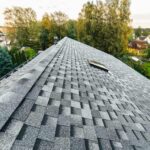
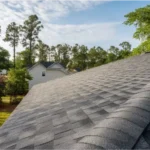
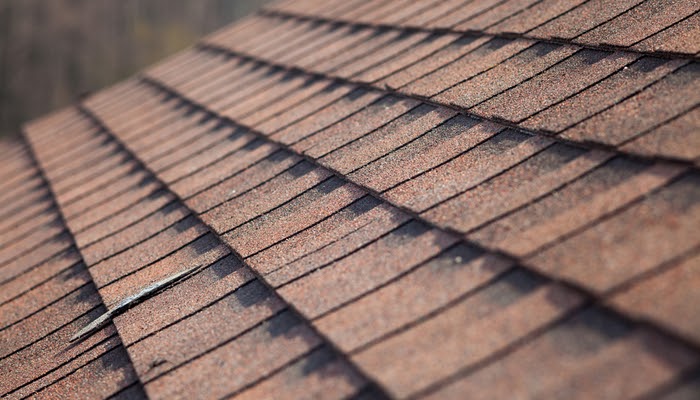
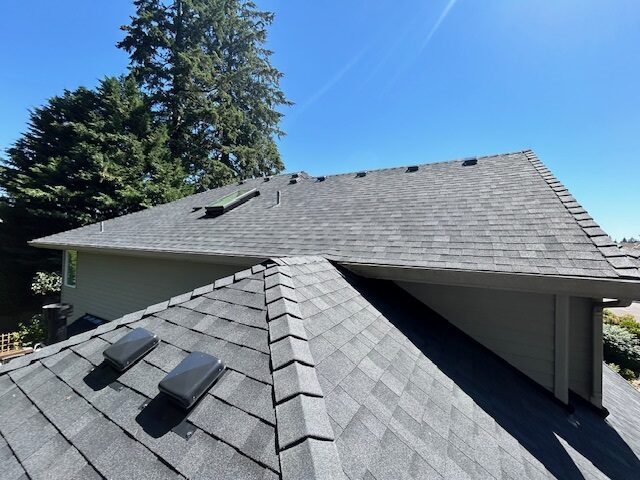
- Asphalt Shingles: Affordable, easy to install, and available in a range of colors and styles. Asphalt shingles are the most common choice for residential roofs. They typically last 15–30 years and are suitable for most climates.
- Metal Roofing: Known for its durability and energy efficiency, metal roofs can last 40–70 years. They are resistant to fire, mildew, and insects, making them ideal for areas with extreme weather.
- Clay and Concrete Tiles: These tiles offer a distinctive look and excellent longevity (up to 50 years or more). They’re heavy and require reinforced roof structures but perform well in hot, dry climates.
- Wood Shakes and Shingles: Wood roofing provides a natural appearance and good insulation. However, it requires regular maintenance and is less fire-resistant unless treated.
- Slate: Slate roofs are among the most durable, lasting over 100 years if properly maintained. They’re also heavy and expensive but offer unmatched elegance and fire resistance.
- Synthetic Roofing: Made from rubber, plastic, or polymer, synthetic options mimic the look of natural materials at a lower cost and weight. They’re gaining popularity for their versatility and lower maintenance.
For a deeper dive into shingle varieties, see this comprehensive overview of roofing shingle types.
Key Factors When Choosing Roof Materials
Every home and homeowner is unique, so the ideal roofing solution depends on several factors. Here are the most important considerations to keep in mind:
- Climate: Some materials perform better in certain weather conditions. For example, metal is excellent for snowy or rainy regions, while clay tiles are suited for hot, dry climates.
- Budget: Asphalt shingles are typically the most budget-friendly, while slate and metal come with higher upfront costs but longer lifespans.
- Durability: Consider how long you plan to stay in your home and how much maintenance you’re willing to do. Materials like slate and metal offer longevity, while asphalt may need replacement sooner.
- Weight: Heavier materials like tile and slate may require structural reinforcement, increasing installation costs.
- Appearance: The roof is a major visual element. Choose a material and color that complements your home’s style and neighborhood.
- Local Building Codes: Always check local regulations and HOA rules before making a final decision.
Understanding these factors will help you narrow down your options and avoid costly mistakes.
Pros and Cons of Leading Roofing Types
To help you make an informed choice, here’s a quick comparison of the advantages and disadvantages of the most popular roofing materials:
| Material | Pros | Cons |
|---|---|---|
| Asphalt Shingles | Affordable, easy installation, wide variety, moderate lifespan | Shorter lifespan than premium options, can be prone to wind damage |
| Metal | Long-lasting, low maintenance, energy efficient, lightweight | Higher upfront cost, can be noisy during rain or hail |
| Clay/Concrete Tile | Durable, fire resistant, distinctive look | Heavy, expensive, may require structural reinforcement |
| Wood Shakes | Natural appearance, good insulation | Requires maintenance, less fire resistant, can be expensive |
| Slate | Extremely durable, elegant, fire resistant | Very heavy, high cost, specialized installation needed |
| Synthetic | Lightweight, versatile, lower cost, mimics natural look | Varied quality, may not last as long as natural materials |
For homeowners interested in the performance and cost of asphalt options, see is asphalt roofing good for a detailed analysis.
How to Match Roofing Materials to Your Home’s Needs
Finding the right fit involves balancing practical requirements with personal preferences. Here are some guidelines to help you decide:
- If you’re on a tight budget and want a straightforward installation, asphalt shingles are a solid choice.
- For those seeking longevity and minimal upkeep, metal roofing or slate may be worth the investment.
- Homeowners in hot climates might prefer clay or concrete tiles for their cooling properties.
- If you love a rustic look and don’t mind extra maintenance, wood shakes could be appealing.
- For a modern, eco-friendly option, consider synthetic roofing made from recycled materials.
It’s also wise to consult with local contractors and review neighborhood trends to ensure your choice aligns with both your vision and any community standards. If you’re curious about the differences between organic and fiberglass shingle options, check out organic asphalt shingles and fiberglass shingles for more insights.
Maintenance and Longevity Tips
No matter which material you choose, proper maintenance is key to extending the life of your roof. Here are some practical tips:
- Inspect your roof at least twice a year for signs of damage or wear, especially after severe weather.
- Keep gutters and downspouts clear to prevent water buildup and leaks.
- Trim overhanging branches to avoid debris accumulation and potential damage.
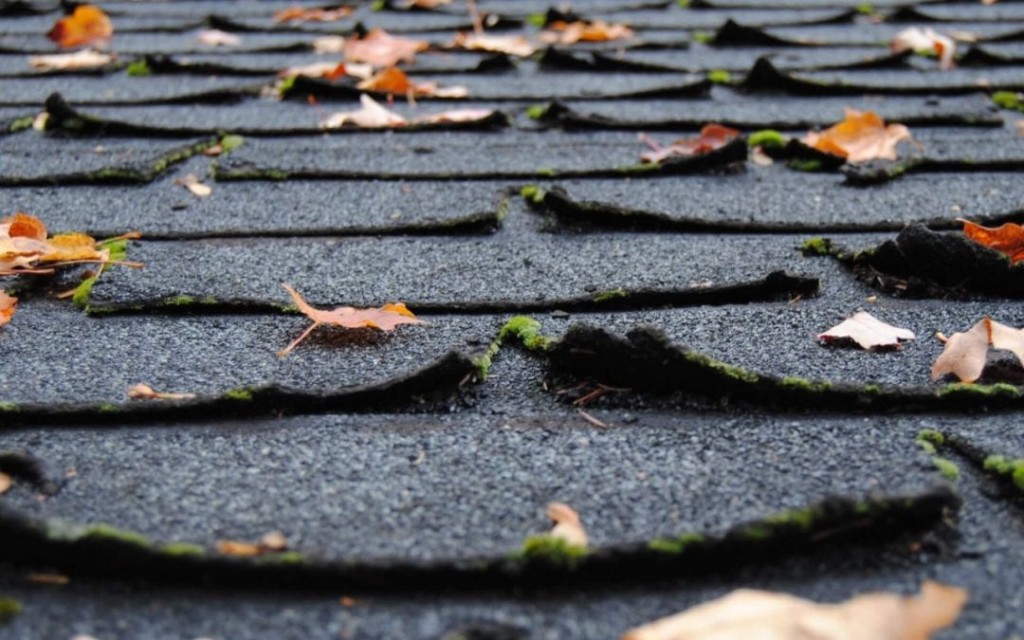
- Address minor issues, such as cracked or missing shingles, promptly to prevent larger problems.
- Consider professional inspections every few years for peace of mind.
For those living in areas with heavy rainfall or snow, investing in quality sealants and regular upkeep can make a significant difference. If you’re replacing an existing asphalt roof, you may also want to explore the best type of asphalt shingles for your specific climate and home style.
Frequently Asked Questions
What Is the Most Durable Roofing Material?
Slate and metal are among the most durable roofing options, with lifespans reaching 50–100 years or more. While they come with higher upfront costs, their longevity and minimal maintenance needs often justify the investment for many homeowners.
How Do I Know Which Roofing Material Is Right for My Climate?
Consider your region’s weather patterns. Metal and asphalt perform well in most climates, while clay and concrete tiles are better for hot, dry areas. Always consult local roofing professionals for recommendations tailored to your location.
Are Asphalt Shingles a Good Choice for Most Homes?
Asphalt shingles remain the most popular option due to their affordability, ease of installation, and versatility. They suit a wide range of architectural styles and climates, making them a practical choice for many homeowners.
Conclusion
Selecting the right roofing material is a significant decision that affects your home’s protection, appearance, and value. By considering your climate, budget, and personal preferences, you can confidently choose a solution that meets your needs. Use this best roofing material guide as a starting point, and don’t hesitate to consult with local experts for tailored advice. With the right information and a thoughtful approach, you’ll find the perfect match for your home’s roof.