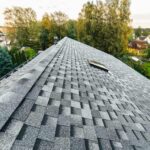
When it comes to enhancing the energy efficiency and durability of a building, understanding the nuances of roof insulation and structural considerations is crucial. Proper insulation not only helps in maintaining a comfortable indoor climate but also plays a significant role in the structural integrity of the roof. This guide will delve into the essential aspects of roof insulation, focusing on how it impacts structural safety and what factors to consider during installation.
For those interested in the latest advancements in roofing technology, exploring innovations in solar roofing can provide additional insights into how modern solutions are shaping the industry.
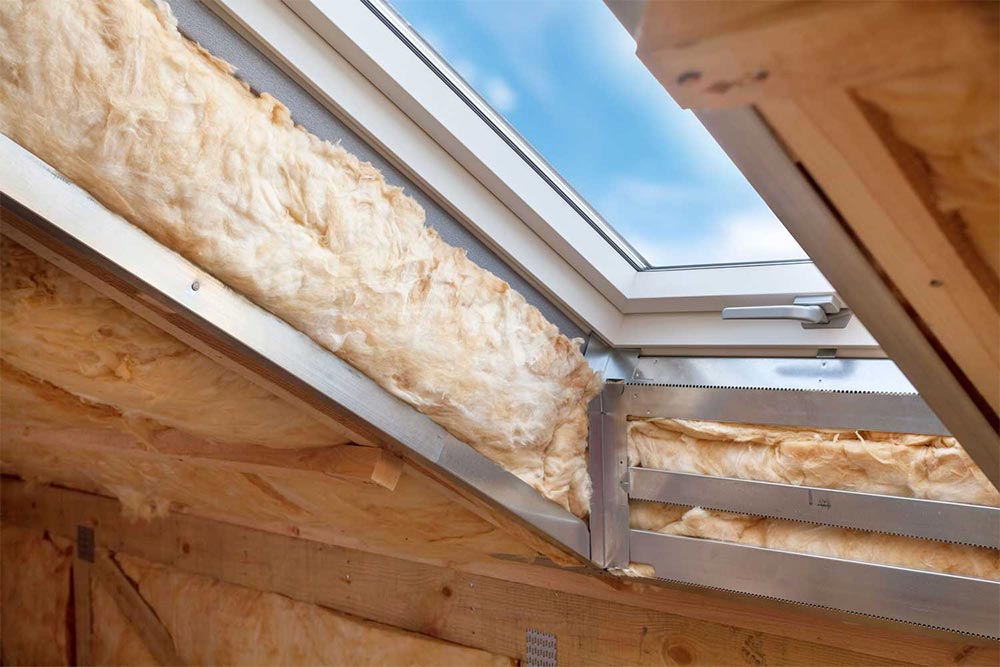
Understanding the Importance of Roof Insulation
Roof insulation serves as a barrier to heat flow, helping to keep homes warm in the winter and cool in the summer. It is a critical component in reducing energy costs and improving comfort. However, the choice of insulation material and installation technique can significantly affect the structural integrity of the roof. Selecting the right type of insulation is essential to prevent issues such as moisture accumulation, which can lead to mold growth and structural damage.
Key Structural Considerations
When planning for roof insulation, several structural factors must be taken into account:
- Load-Bearing Capacity: The roof structure must be able to support the added weight of the insulation material. It’s important to assess the load-bearing capacity to avoid any potential structural failures.
- Ventilation: Proper ventilation is crucial to prevent moisture buildup, which can compromise both the insulation and the roof structure. Ensuring adequate airflow can help maintain the roof’s longevity.
- Material Compatibility: The insulation material should be compatible with the existing roof materials to prevent chemical reactions or physical damage.
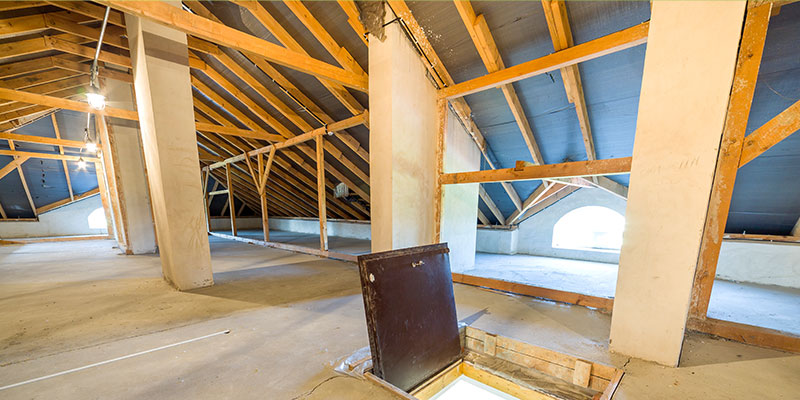
Choosing the Right Insulation Material
The choice of insulation material can significantly impact both energy efficiency and structural safety. Common materials include fiberglass, cellulose, and spray foam. Each has its advantages and limitations:
- Fiberglass: Known for its affordability and ease of installation, fiberglass is a popular choice. However, it may not provide the best moisture resistance.
- Cellulose: Made from recycled paper products, cellulose is eco-friendly and offers good thermal performance. It requires proper installation to prevent settling and moisture issues.
- Spray Foam: Offers excellent insulation and air sealing properties. It’s ideal for irregular spaces but can be more expensive and requires professional installation.
Installation Best Practices
Proper installation is key to maximizing the benefits of roof insulation. Here are some best practices to follow:
- Professional Assessment: Before installation, have a professional assess the roof’s condition and determine the best insulation strategy.
- Sealing Air Leaks: Ensure all air leaks are sealed before adding insulation to improve energy efficiency and prevent drafts.
- Layering: In some cases, layering different types of insulation can enhance performance. Consult with a professional to determine the best approach.

FAQs
What is the best insulation material for roofs?
The best insulation material depends on your specific needs, budget, and the existing roof structure. Fiberglass, cellulose, and spray foam are popular options, each with unique benefits.
How does insulation affect roof structure?
Insulation can impact the roof structure by adding weight and affecting ventilation. Proper assessment and installation are crucial to ensure structural safety.
Can I install roof insulation myself?
While some insulation types can be DIY projects, professional installation is recommended to ensure optimal performance and structural safety.