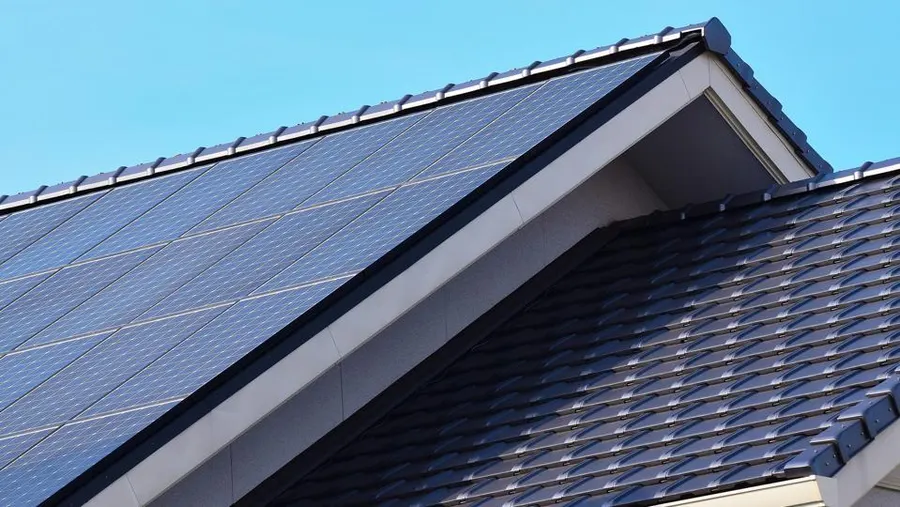
Understanding how solar roofing tax credits work can make a significant difference when planning a solar upgrade for your home. These incentives are designed to reduce the upfront cost of installing solar panels or solar shingles, making renewable energy more accessible for homeowners. By taking advantage of available credits, you can lower your investment and accelerate the payback period of your solar roofing project.
Whether you’re considering a full roof replacement or simply adding solar technology to your existing structure, it’s important to know which expenses qualify, how to claim the credits, and what deadlines apply. In this article, we’ll break down the essentials of solar tax incentives, eligibility requirements, and how they impact your overall project cost.
For those planning a full roof upgrade, understanding the roof upgrade cost can help you budget more effectively and see how solar incentives fit into your overall project expenses.
How Federal Solar Tax Credits Work
The federal government offers a valuable incentive known as the Investment Tax Credit (ITC), which allows homeowners to deduct a percentage of their solar installation costs from their federal taxes. This credit applies to both traditional solar panels and integrated solar roofing products, such as solar shingles.
As of 2024, the ITC covers 30% of eligible solar roofing expenses. This percentage is set to remain in effect for residential projects started before 2032, after which the rate is scheduled to decrease. The ITC can be claimed for both the cost of solar equipment and related installation expenses, including labor, permitting, and some electrical upgrades.
- Eligibility: The credit is available to homeowners who install qualifying solar systems on their primary or secondary residences in the United States.
- Claiming the Credit: You must own the solar system (not lease it) and file IRS Form 5695 with your federal tax return.
- Carryover: If your tax liability is less than your credit, you can carry the unused portion forward to future tax years.
What Solar Roofing Expenses Qualify?
Not all roofing costs are eligible for the federal credit. The IRS specifies that only the portions of your roof that directly support solar energy generation can be claimed. Here’s how it breaks down:
- Solar Panels and Shingles: The full cost of solar modules, whether mounted on top of your roof or integrated as solar shingles, is eligible.
- Supporting Equipment: Inverters, wiring, mounting hardware, and battery storage systems can be included.
- Roofing Materials: If you install solar shingles or tiles that serve as both the roof and the solar generator, their cost is covered. However, replacing non-solar roofing materials (like standard asphalt shingles) is generally not eligible unless they are integral to the solar system’s function.
- Labor and Permitting: Installation labor, permitting fees, and some site preparation costs are also eligible.
For a detailed breakdown of what’s covered, consult the IRS guidelines or speak with a tax professional familiar with renewable energy incentives.

State and Local Incentives for Solar Roofing
In addition to the federal credit, many states and municipalities offer their own incentives for solar installations. These may include additional tax credits, rebates, property tax exemptions, or performance-based incentives. The availability and value of these programs vary widely by location.
Some states provide upfront rebates that reduce your out-of-pocket costs, while others offer credits on your state income tax. Certain utility companies also run programs that pay you for the electricity your system generates or feeds back into the grid.
To maximize your savings, research incentives in your area and stack them with the federal ITC. Resources like the Database of State Incentives for Renewables & Efficiency (DSIRE) can help you identify local programs.
Solar Roofing Tax Credits for Integrated Solar Shingles
Integrated solar roofing products, such as solar shingles or tiles, are becoming more popular as homeowners seek a seamless look and enhanced durability. These products serve as both the weatherproof barrier and the energy generator for your home.
The IRS allows the cost of solar shingles to be included in your tax credit calculation, provided they generate electricity and are installed on your residence. However, if you replace your entire roof with a mix of solar and non-solar materials, only the portion that actually produces electricity is eligible for the credit.
For more information on how solar shingles work and their benefits, see this comprehensive guide to solar shingles.

Timing and Deadlines for Solar Incentives
Timing is crucial when planning your solar project. The federal ITC is available for systems placed in service before December 31, 2032, at the current 30% rate. After this date, the credit is scheduled to decrease unless Congress renews or updates the program.
To ensure you qualify for the maximum incentive, your system must be operational (not just purchased or contracted) by the deadline. Keep records of all receipts, contracts, and permits to support your tax claim.
Combining Solar Tax Credits with Roof Replacement
If your roof needs replacement before installing solar, you may be able to include some costs in your tax credit calculation. For example, if you opt for integrated solar shingles, the portion of your new roof that generates electricity is eligible. However, standard roofing materials and unrelated repairs are not covered under the federal incentive.
For a deeper dive into planning a new roof installation, check out the asphalt roof replacement guide for tips on budgeting and selecting materials that work well with solar upgrades.
Common Mistakes to Avoid When Claiming Solar Incentives
- Including Non-Eligible Costs: Only claim expenses directly related to solar energy generation. Standard roof repairs or unrelated upgrades do not qualify.
- Missing Documentation: Keep detailed records of all invoices, contracts, and permits. You’ll need these if the IRS requests proof.
- Overlooking Local Incentives: Don’t forget to research state and utility programs that can further reduce your costs.
- Waiting Too Long: Incentive rates may decrease in the future, so acting sooner can maximize your savings.
FAQ: Solar Roofing Incentives and Credits
Can I claim the federal tax credit if I finance my solar roof?
Yes, as long as you purchase (not lease) the system, you are eligible for the federal credit. Financing through a loan does not disqualify you, but leasing or entering a power purchase agreement (PPA) typically makes the installer the owner, so they receive the credit.
Are battery storage systems included in the tax credit?
Standalone battery storage systems installed in 2023 or later are eligible for the federal credit, even if they are not directly connected to solar panels. If installed with your solar roof, their cost can be included in your total eligible expenses.
What happens if my tax credit is larger than my tax liability?
If your credit exceeds your tax owed for the year, you can carry the unused portion forward to future tax years. There is no refund, but you can use the remaining credit until it is fully applied.
Do I need to use a specific brand or installer to qualify?
No, the federal incentive is not limited to specific brands or installers. However, your system must meet certain technical requirements and be installed on a qualifying residence in the U.S.
Conclusion
Taking advantage of solar roofing tax credits can make renewable energy more affordable and accessible for homeowners. By understanding which expenses qualify, staying aware of deadlines, and stacking federal, state, and local incentives, you can maximize your savings and enjoy the benefits of clean energy. For those considering a roof replacement or upgrade, integrating solar technology is a smart investment that pays off both financially and environmentally.