Choosing the right roofing material is a major decision for any homeowner. Among the most popular options in North America, asphalt shingle roofs stand out for their affordability, versatility, and ease of installation. However, like any building material, they come with both advantages and drawbacks. This guide explores the key benefits and limitations of asphalt shingles, helping you make an informed choice for your home.
Whether you’re considering a new installation or evaluating a replacement, understanding the full spectrum of asphalt shingle roof pros and cons is essential. We’ll break down performance, longevity, cost, maintenance, and more, so you can confidently decide if this roofing solution aligns with your needs and budget.
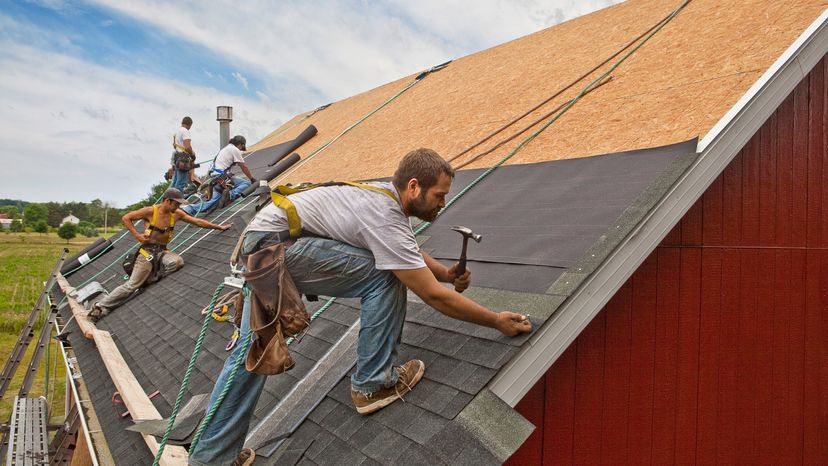
For those planning a full overhaul, it’s also helpful to review resources like the replacing old asphalt roof guide for step-by-step insights on tear-offs and new installations.
Understanding Asphalt Shingle Roofing
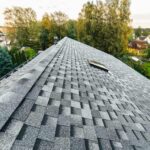
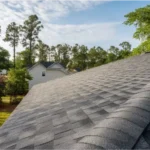
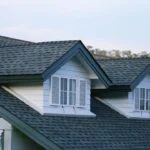
Asphalt shingles are composed of a fiberglass or organic mat base, coated with asphalt and topped with ceramic granules. This layered construction provides weather resistance and a range of aesthetic options. There are two main types:
- Three-tab shingles: Flat, uniform, and budget-friendly.
- Architectural (dimensional) shingles: Thicker, layered, and designed to mimic the look of wood or slate.
To learn more about the structure and composition, see this comprehensive overview of asphalt shingle roofing.
Key Advantages of Asphalt Shingle Roofs
Let’s start with the benefits that make asphalt shingles a leading choice for residential roofing:
Affordability and Cost-Effectiveness
One of the main reasons homeowners select asphalt shingles is their low upfront cost. Compared to metal, tile, or slate, installation and material expenses are significantly lower. This makes them accessible for a wide range of budgets and ideal for both new builds and replacements.
Additionally, repair and maintenance costs are generally modest. If a shingle is damaged, it can often be replaced individually without disturbing the rest of the roof.
Ease of Installation and Versatility
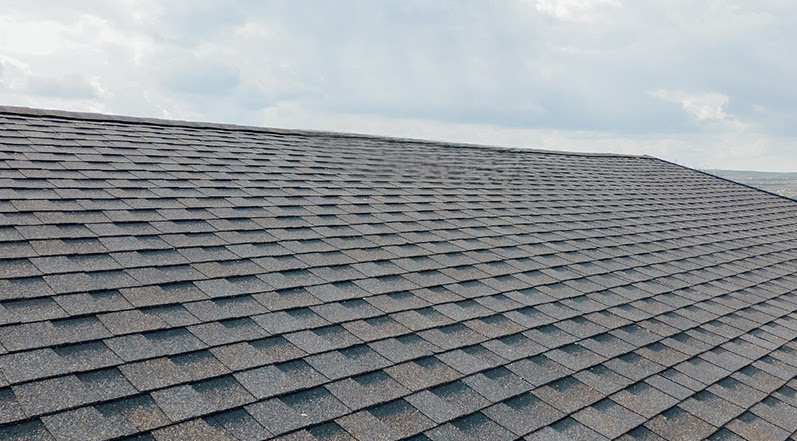
Asphalt shingles are lightweight and straightforward to install, reducing labor time and disruption. Most roofing contractors are highly experienced with this material, ensuring efficient and reliable results. The flexibility of shingles allows them to fit a variety of roof shapes and slopes.
Wide Range of Styles and Colors
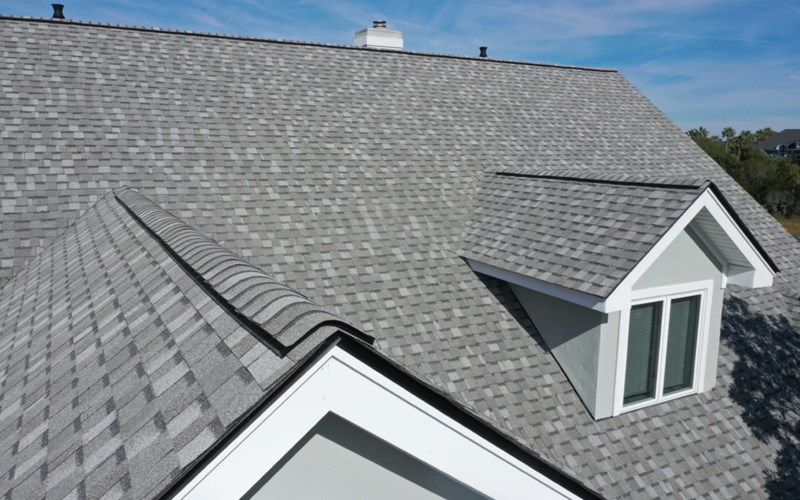
Modern asphalt shingles are available in an array of colors, textures, and profiles. Whether you want a traditional look or something that mimics higher-end materials, there’s likely a shingle to match your vision. This adaptability makes them suitable for various architectural styles.
Decent Performance and Warranty Options
Quality asphalt shingles provide reliable protection against rain, wind, and moderate hail. Many products come with warranties ranging from 20 to 30 years, and some premium lines offer even longer coverage. With proper installation and maintenance, they can deliver solid performance for decades.
Drawbacks and Limitations of Asphalt Shingles
Despite their popularity, asphalt shingles have some notable disadvantages that homeowners should consider:
Shorter Lifespan Compared to Premium Materials
While architectural shingles can last up to 30 years, basic three-tab varieties often need replacement after 15–20 years. This is significantly less than metal, tile, or slate roofs, which can endure for 40–100 years. Environmental factors like intense sun, heavy storms, or rapid temperature swings can further reduce their longevity.
For those interested in maximizing durability, reviewing the roof upgrade cost for high-performance shingles may be worthwhile.
Vulnerability to Weather and Impact
Asphalt shingles can be susceptible to wind uplift, especially if not installed correctly. Hail, falling branches, and foot traffic may cause cracks or granule loss. In regions with frequent storms or extreme weather, damage and repairs may be more common.
Proper installation is critical to avoid issues. For tips on identifying potential problems, see the guide on poor installation roofing issues.
Environmental Considerations
Asphalt shingles are petroleum-based and not easily recyclable. Old shingles often end up in landfills, contributing to environmental waste. While some recycling programs exist, they are not yet widespread. If sustainability is a top priority, alternative materials like metal or clay may be better choices.
Potential for Algae and Moss Growth
In humid or shaded areas, shingles may develop dark streaks from algae or moss. While this doesn’t always affect performance, it can detract from curb appeal. Some manufacturers offer algae-resistant options, but regular cleaning and maintenance may still be necessary.
Comparing Asphalt Shingles to Other Roofing Materials
When weighing your options, it’s helpful to compare asphalt shingles with other common roofing materials:
| Material | Average Lifespan | Cost | Maintenance | Environmental Impact |
|---|---|---|---|---|
| Asphalt Shingles | 15–30 years | Low | Low–Moderate | Moderate |
| Metal | 40–70 years | High | Low | Lower (recyclable) |
| Clay/Concrete Tile | 50–100 years | High | Low | Moderate |
| Wood Shakes | 20–40 years | Moderate–High | High | Renewable, but needs treatment |
This comparison highlights why asphalt shingles remain a practical choice for many, especially when balancing initial investment with performance and maintenance needs.
Maintenance Tips and Longevity
To get the most from your shingle roof, regular maintenance is key:
- Inspect for missing, curled, or cracked shingles after storms.
- Keep gutters clean to prevent water backup and ice dams.
- Trim overhanging branches to reduce debris and shade.
- Address algae or moss promptly with appropriate cleaners.
- Schedule professional inspections every few years.
For those planning a new installation, the asphalt roof replacement guide offers detailed planning advice.
Frequently Asked Questions
How long do asphalt shingle roofs typically last?
Most standard shingles last 15–20 years, while architectural varieties can reach 25–30 years with proper care. Factors like climate, installation quality, and maintenance routines can impact lifespan.
Are asphalt shingles a good choice for all climates?
They perform well in moderate climates but may be less ideal in areas with extreme heat, frequent hail, or high winds. Specialized products are available for enhanced weather resistance in challenging regions.
What are the signs that my shingle roof needs replacement?
Common indicators include widespread curling, cracking, missing shingles, granule loss, or visible sagging. For more on structural concerns, review the guide on roof sagging problems.
Can I install asphalt shingles over an existing roof?
In some cases, a second layer can be added if local codes allow and the structure is sound. However, a full tear-off is often recommended for best results and warranty coverage.
Conclusion: Weighing the Benefits and Drawbacks
Asphalt shingles offer a compelling blend of affordability, versatility, and ease of installation, making them a top choice for many homeowners. However, it’s important to balance these strengths against their shorter lifespan, environmental impact, and vulnerability to weather. By understanding all the asphalt shingle roof pros and cons, you can choose the best roofing solution for your home’s needs and your long-term goals.