Effective roof insulation vapor barriers are a critical component in modern building construction and renovation. By controlling moisture movement and improving thermal performance, these specialized materials help protect homes and buildings from a range of costly and damaging issues. Whether you’re upgrading an older property or planning a new build, understanding how vapor barriers work and their advantages can help you make informed decisions about your roofing system.
Homeowners and contractors alike often focus on insulation values and shingle types, but the role of vapor barriers in the roof assembly is just as important. These layers are designed to limit the passage of water vapor, reducing the risk of condensation, mold, and structural decay. If you’re considering a major upgrade, it’s also wise to review the roof upgrade cost to ensure your investment covers all essential components, including vapor control.
Understanding Vapor Barriers in Roof Insulation
Vapor barriers are materials specifically engineered to resist the passage of water vapor. In the context of roof insulation vapor barriers, these products are typically installed on the warm side of the insulation layer, facing the interior of the building. Their main function is to prevent moisture from migrating into the insulation and roof structure, where it can condense and cause damage.
Common materials used for vapor barriers include polyethylene sheets, foil-backed insulation, and specialized membranes. The choice of material and installation method depends on climate, roof design, and the specific insulation system being used. Proper placement and sealing are crucial for maximum effectiveness.

Why Moisture Control Matters in Roofing Systems
Moisture is one of the leading causes of roof deterioration and indoor air quality problems. When warm, humid air from inside a building meets a cold surface within the roof assembly, condensation can form. Over time, this trapped moisture can lead to:
- Mold and mildew growth, which can affect health and air quality
- Insulation degradation, reducing energy efficiency
- Wood rot and corrosion of structural elements
- Staining and damage to interior finishes
By incorporating a properly installed vapor barrier, you can significantly reduce the risk of these problems. This is especially important in climates with high humidity or large temperature swings between indoor and outdoor environments.
Key Benefits of Installing Roof Insulation Vapor Barriers
Adding a vapor barrier to your roof insulation system offers several important advantages:
1. Enhanced Energy Efficiency
When insulation stays dry, it maintains its full thermal resistance. A vapor barrier prevents moisture from entering the insulation, ensuring your home stays warmer in winter and cooler in summer. This can lead to lower heating and cooling costs over time.
2. Improved Indoor Air Quality
By blocking moisture movement, vapor barriers help prevent the growth of mold and mildew within the roof and attic spaces. This is particularly beneficial for households with allergies or respiratory sensitivities.
3. Longer Roof Lifespan
Moisture can accelerate the deterioration of roofing materials, especially wood and metal components. A well-installed vapor barrier helps protect these elements, contributing to a longer-lasting, more durable roof system.
4. Reduced Maintenance and Repair Costs
Preventing moisture-related issues means fewer repairs for rot, mold, or insulation replacement. Over the life of the roof, this can translate into significant savings on maintenance expenses.
Types of Vapor Barriers for Roof Insulation
There are several types of vapor barriers used in roofing applications, each with its own strengths and ideal use cases:
- Polyethylene Sheets: Widely used due to affordability and ease of installation. Available in various thicknesses for different performance needs.
- Foil-Faced Insulation: Combines insulation and vapor control in one product. Often used in attics and cathedral ceilings.
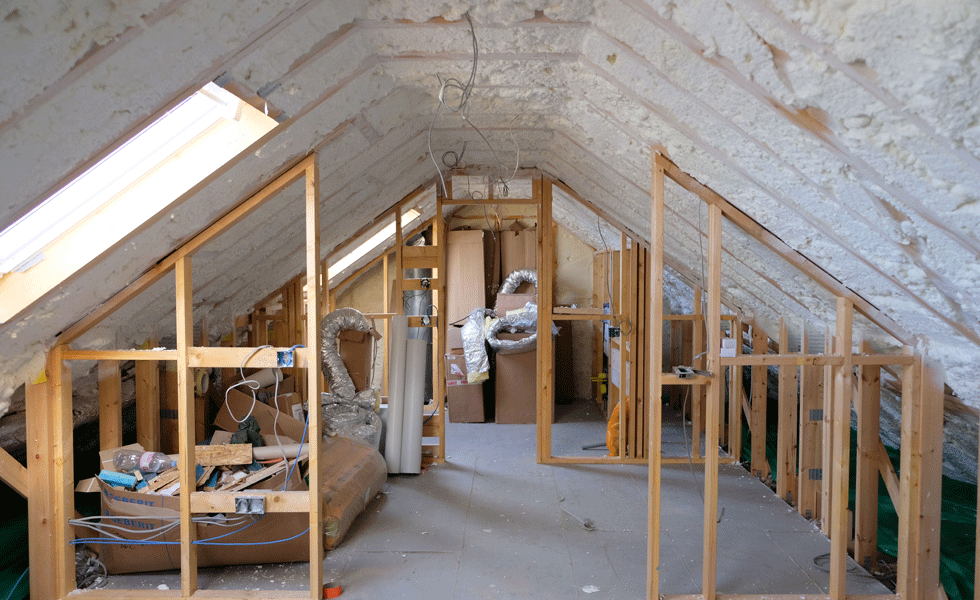
- Spray-Applied Membranes: Applied directly to surfaces, creating a seamless barrier. Useful for complex roof geometries.
- Self-Adhered Membranes: Peel-and-stick products that provide excellent air and vapor resistance, commonly used in high-performance roofing systems.
The right choice depends on your roof’s design, climate zone, and the type of insulation being used. Consulting with a roofing professional can help you select the most suitable option for your project.
Installation Best Practices
For roof insulation vapor barriers to perform as intended, correct installation is essential. Here are some best practices to follow:
- Install the vapor barrier on the warm side of the insulation (typically facing the interior).
- Ensure all seams are overlapped and sealed with appropriate tape or adhesive.
- Pay special attention to penetrations (such as vents and pipes), sealing around them to prevent air and moisture leaks.
- Avoid puncturing or damaging the barrier during installation of other components.
- Coordinate with insulation and roofing contractors to ensure compatibility of materials and methods.
Poor installation can lead to gaps or tears, reducing the effectiveness of the vapor barrier and potentially causing more harm than good. If you’re hiring a contractor, make sure they are experienced with vapor control systems and understand the specific requirements for your region and roof type. For more on identifying workmanship issues, see our resource on poor installation roofing issues.
Common Myths and Misconceptions
There are several misconceptions about vapor barriers in roofing:
- “All roofs need a vapor barrier.” In some climates, especially where outdoor humidity is higher than indoors, a vapor barrier can actually trap moisture. Always consider local climate and building codes.
- “More is better.” Doubling up on vapor barriers can create a “moisture sandwich,” trapping water between layers and increasing the risk of damage.
- “Any plastic sheet will do.” Not all plastics are suitable as vapor barriers. Use materials specifically rated for vapor resistance and building applications.
Understanding these nuances ensures your roof assembly performs optimally and avoids unintended consequences.
Integrating Vapor Barriers into Roof Upgrades
If you’re planning a major roof renovation or replacement, it’s a good time to assess your insulation and vapor control strategy. Modern roofing systems are designed as integrated assemblies, with each layer playing a specific role in moisture management, energy efficiency, and durability.
For those replacing older materials, reviewing a comprehensive asphalt roof replacement guide can help you understand how vapor barriers fit into the overall project. Upgrading to high-performance insulation and vapor control can add value, comfort, and longevity to your property.
FAQ
What is the main purpose of a vapor barrier in roof insulation?
The primary role of a vapor barrier is to limit the movement of water vapor from the interior of a building into the roof assembly. This helps prevent condensation, which can lead to mold, rot, and reduced insulation performance.
Do all roofs require vapor barriers?
No, the need for a vapor barrier depends on climate, building use, and roof design. In colder climates where indoor air is warmer and more humid than outside, vapor barriers are typically recommended. In some warm, humid regions, they may not be necessary or could even cause problems if installed incorrectly.
Can I install a vapor barrier myself, or should I hire a professional?
While some homeowners may be able to install basic vapor barriers, professional installation is recommended for most roofing systems. Proper placement, sealing, and integration with other materials are crucial for effectiveness. Mistakes can lead to moisture problems and costly repairs.
How do I know if my existing roof has a vapor barrier?
This can be difficult to determine without removing some of the roof or attic finishes. A roofing professional can inspect your assembly and advise whether a vapor barrier is present and functioning as intended.
What are the signs of moisture problems in a roof assembly?
Common indicators include musty odors, visible mold or mildew, water stains on ceilings, and deteriorating insulation. If you notice any of these, it’s important to investigate further and address the root cause.
In summary, roof insulation vapor barriers play a vital role in protecting your home from moisture-related issues, improving energy efficiency, and extending the life of your roofing system. By understanding their function and following best practices for selection and installation, you can ensure a healthier, more durable, and comfortable living environment.