Prolonged exposure to sunlight is one of the leading causes of premature roof deterioration. The sun’s ultraviolet (UV) rays can break down roofing materials, causing shingles to crack, fade, and lose their protective qualities. Homeowners and property managers looking to extend the lifespan of their roofs are increasingly turning to UV resistant roofing materials for better protection against the harsh effects of the sun.
Choosing the right shingles and coatings can make a significant difference in how well a roof stands up to UV damage. This article explores the science behind UV resistance, compares popular roofing options, and offers practical tips for maintaining a durable, sun-resistant roof. If you’re planning a roof replacement or want to upgrade your current system, understanding these materials is essential for long-term performance and value.
For those considering a full replacement, understanding the asphalt roof replacement guide can help you plan your new installation with UV protection in mind.
Why UV Protection Matters for Roof Shingles
Sunlight contains powerful UV rays that can degrade roofing surfaces over time. Without adequate protection, shingles may become brittle, curl, or lose their granules, leading to leaks and costly repairs. The use of UV resistant roofing materials helps slow this process, preserving the roof’s structural integrity and appearance.
Key benefits of UV protection include:
- Longer lifespan for shingles and underlayment
- Reduced risk of cracking, blistering, and fading
- Improved energy efficiency by reflecting solar heat
- Lower maintenance and repair costs over time
UV resistance is especially important in regions with intense, year-round sun exposure. Even in milder climates, cumulative UV damage can shorten the effective life of a roof.
Types of UV Resistant Roofing Materials
There are several roofing products designed to withstand the damaging effects of sunlight. Here are the most common options for residential and commercial properties:
Asphalt Shingles with UV-Reflective Granules
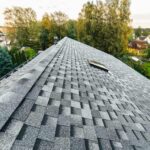
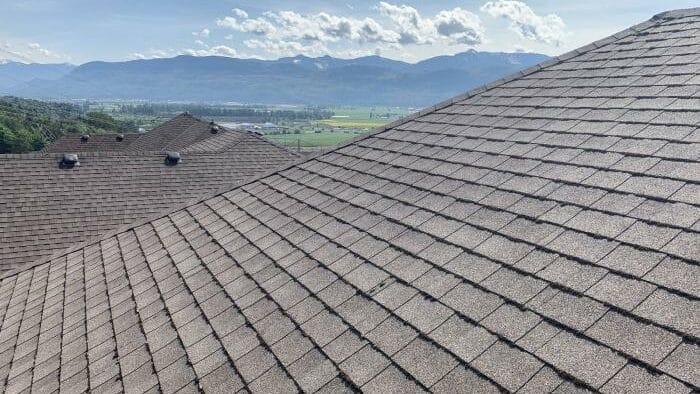
Modern asphalt shingles are often manufactured with ceramic-coated granules that reflect UV rays. These granules act as a protective barrier, shielding the underlying asphalt from direct sunlight. High-quality shingles may also include additional stabilizers and chemical additives to further enhance UV resistance.
For a detailed breakdown of how asphalt shingles are constructed and why granules matter, see this simple guide to understanding your asphalt shingle roofing system.
Metal Roofing with Reflective Coatings
Metal roofs are naturally durable and can be coated with specialized paints or finishes that reflect both UV and infrared rays. These coatings help prevent the metal from heating up and transferring excess heat into the building. Some metal roofing systems are rated as “cool roofs” due to their high solar reflectance and thermal emittance.
Synthetic and Composite Shingles
Synthetic roofing products, such as polymer-based shingles or composite tiles, are engineered to resist UV degradation. Manufacturers often blend in UV inhibitors during production, resulting in materials that maintain their color and flexibility for decades.
Tile and Slate Roofing
Clay, concrete, and slate tiles are naturally resistant to UV damage. Their dense composition and reflective surfaces help minimize the impact of sunlight. However, the underlayment and adhesives used with these tiles should also be UV resistant for maximum protection.
How UV Resistant Shingles Are Tested and Rated
Roofing manufacturers use industry-standard tests to measure how well their products stand up to UV exposure. These tests simulate years of sunlight in a controlled environment, allowing for accurate comparisons between materials. Look for shingles and coatings that meet or exceed ASTM and UL standards for UV resistance.
Some products carry third-party certifications or energy efficiency ratings, such as ENERGY STAR, which indicate superior performance in reflecting solar radiation. When evaluating options, review product datasheets and warranties for details on UV protection.
Installation and Maintenance Tips for Sun-Exposed Roofs
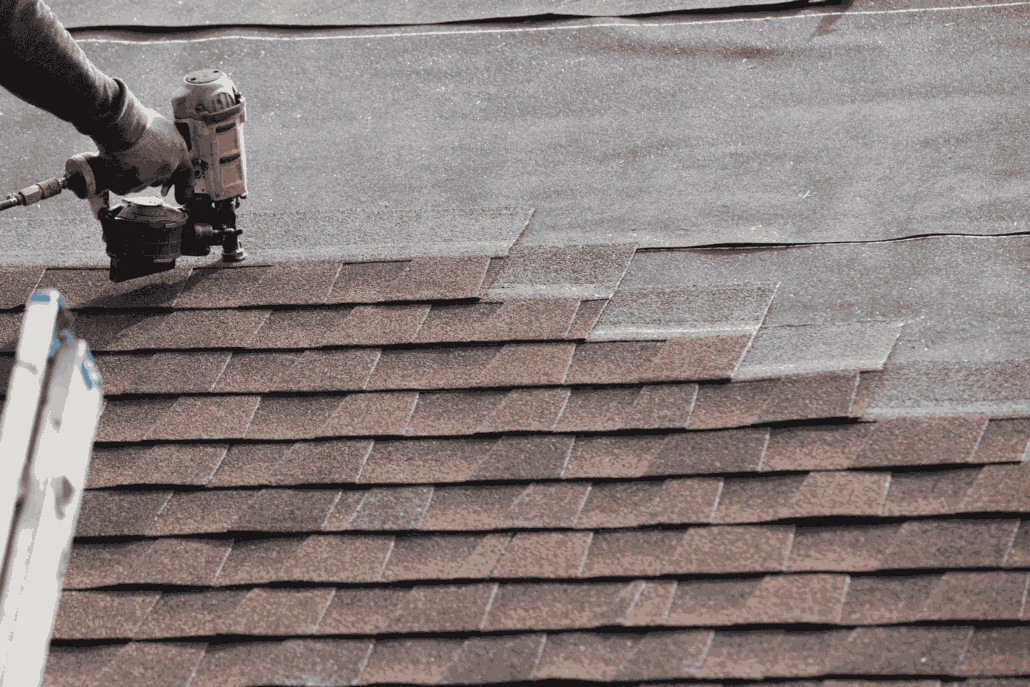
Even the best UV resistant roofing materials require proper installation and care to deliver long-term results. Here are some practical steps to maximize your roof’s sun protection:
- Hire experienced contractors who follow manufacturer guidelines for installation.
- Ensure all flashing, sealants, and underlayments are also rated for UV exposure.
- Inspect your roof annually for signs of granule loss, cracking, or fading.
- Remove debris and moss, which can trap moisture and accelerate deterioration.
- Consider applying a UV-reflective roof coating to extend the life of older shingles.
If you notice persistent issues, such as curling or brittle shingles, it may be time to explore replacing old asphalt roof options for a more durable and sun-resistant solution.
Comparing UV Resistant Roofing Options
| Material | UV Protection | Expected Lifespan | Maintenance Needs |
|---|---|---|---|
| Asphalt Shingles (with UV granules) | Good | 20–30 years | Low to moderate |
| Metal Roofing (coated) | Excellent | 40–70 years | Low |
| Synthetic/Composite Shingles | Very Good | 30–50 years | Low |
| Clay/Concrete Tile | Excellent | 50+ years | Low |
When selecting a roofing product, consider your region’s climate, your budget, and the desired appearance. For many homeowners, investing in UV resistant roofing materials pays off in reduced repairs and a longer-lasting roof.
Common Signs of UV Damage on Roofs
It’s important to recognize early warning signs that your roof may be suffering from sun exposure. Common indicators include:
- Loss of granules on asphalt shingles
- Cracking, curling, or blistering of shingle surfaces
- Noticeable fading or discoloration
- Brittle or easily broken shingles
- Leaks or water stains in the attic
If you spot these issues, schedule a professional inspection. Persistent UV damage can lead to more severe problems, such as roof sagging problems or structural failures if left unaddressed.
Frequently Asked Questions
How do UV resistant roofing materials differ from standard shingles?
UV resistant products are engineered with special coatings, granules, or chemical additives that reflect or absorb harmful rays. This helps prevent the rapid breakdown seen in conventional shingles, resulting in longer service life and better color retention.
Can I add UV protection to an existing roof?
Yes, there are roof coatings and sealants designed to enhance UV resistance. Applying these products can extend the life of older shingles, but for severely damaged roofs, replacement with modern, UV-resistant materials is often the best solution.
Are UV resistant roofs more expensive?
While some UV-resistant options may cost more upfront, they typically offer better durability and lower maintenance costs over time. The investment can pay off through fewer repairs and a longer-lasting roof, especially in sunny climates.
What maintenance is required for sun-resistant roofs?
Routine inspections, cleaning debris, and checking for signs of wear are recommended. Promptly addressing minor issues helps maintain the effectiveness of UV protection and prevents larger problems.
Conclusion
Investing in UV resistant roofing materials is a practical way to protect your home from the sun’s damaging effects. By choosing the right products and maintaining your roof properly, you can enjoy a longer-lasting, more attractive, and energy-efficient roof. For those planning upgrades, understanding the roof upgrade cost can help you budget for high-performance, sun-resistant shingles that deliver lasting value.