A well-insulated attic is one of the most effective ways to improve energy efficiency and comfort in a house. Many homeowners focus on windows and doors when thinking about drafts and energy loss, but the attic is often a major source of uncontrolled air movement. Understanding how attic insulation affects air leaks is crucial for anyone looking to reduce utility bills, maintain consistent indoor temperatures, and protect the integrity of their home.
Air leaks in the upper parts of a house can lead to significant heat loss in winter and unwanted heat gain in summer. Insulation in the attic acts as a barrier, slowing down the transfer of heat and minimizing the movement of air between the living space and the outdoors. By addressing gaps, cracks, and insufficient insulation, homeowners can make a measurable difference in both comfort and energy consumption.
If you’re considering a broader home improvement project, understanding the roof upgrade cost can help you plan for both insulation and roofing needs at the same time. Combining these upgrades often leads to even greater energy savings and long-term value.
Why Air Leaks Occur in Attics
Attics are especially prone to air leakage due to the many penetrations and structural features found in this part of the house. Common culprits include recessed lighting, plumbing vents, electrical wiring holes, attic hatches, and gaps around chimneys or flues. Over time, building materials can shift or settle, creating new openings for air to escape or enter.
The “stack effect” is a phenomenon where warm air rises and escapes through the top of the house, drawing in cooler air from lower levels. This process is intensified when attics lack proper insulation or air sealing, making the home draftier and less efficient.
The Role of Insulation in Reducing Air Movement
To understand how attic insulation affects air leaks, it’s important to distinguish between insulation and air sealing. Insulation slows the transfer of heat, while air sealing blocks the actual movement of air through cracks and gaps. Both are necessary for optimal performance, but insulation plays a particularly important role in the attic.
When insulation is installed correctly and covers the entire attic floor without gaps or compression, it forms a continuous thermal barrier. This barrier helps prevent conditioned air from escaping in winter and keeps hot attic air from infiltrating the living space during summer. Inadequate or poorly installed insulation, on the other hand, leaves pathways for air to move freely, undermining the effectiveness of any heating or cooling system.
Types of Attic Insulation and Their Impact on Air Leaks
There are several types of insulation commonly used in attics, each with its own strengths and weaknesses when it comes to controlling air leaks:
- Fiberglass batts: Widely used and affordable, but must be installed carefully to avoid gaps. Does not block air movement unless paired with proper air sealing.
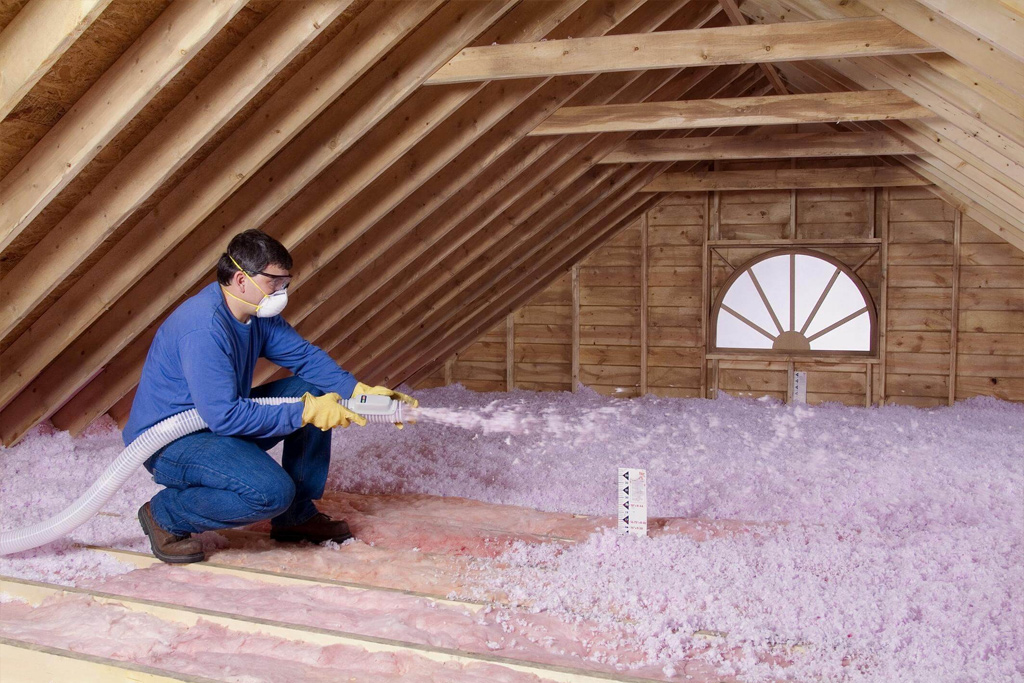
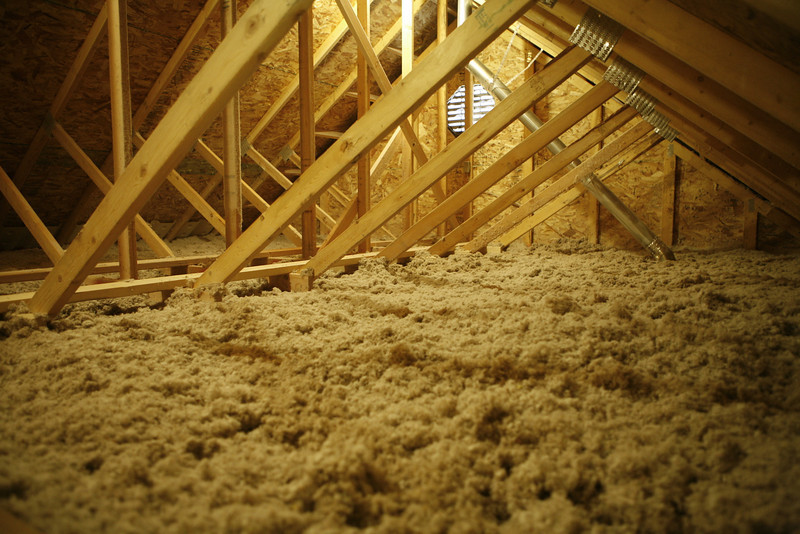
- Blown-in cellulose: Fills irregular spaces well and can help reduce air movement when densely packed. Also offers some resistance to air flow compared to fiberglass.
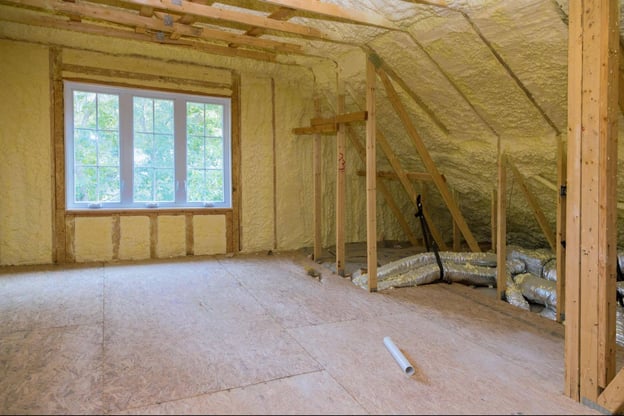
- Spray foam: Expands to fill cracks and gaps, providing both insulation and air sealing in one application. Highly effective at minimizing air leaks but can be more expensive.
- Rigid foam boards: Used for specific applications, such as around attic hatches or knee walls, to create a tight seal and prevent drafts.
Choosing the right type of insulation depends on the attic’s layout, existing materials, and your budget. In many cases, combining insulation with targeted air sealing yields the best results.
Signs Your Attic May Be Contributing to Air Leaks
Homeowners often overlook the signs that their attic is a major source of energy loss. Here are some indicators that your attic insulation may not be performing as it should:
- Uneven temperatures between floors or rooms
- Drafts or cold spots, especially near ceilings
- High heating and cooling bills
- Ice dams forming on the roof in winter
- Visible gaps or compressed insulation in the attic
If you notice any of these symptoms, it’s worth having a professional energy audit or attic inspection to pinpoint the sources of air leakage and assess the condition of your insulation.
How Proper Attic Insulation Improves Energy Efficiency
A well-insulated attic can dramatically reduce the amount of air that escapes or enters your home. By minimizing uncontrolled air movement, you can:
- Lower heating and cooling costs by reducing the workload on your HVAC system
- Maintain more consistent indoor temperatures throughout the year
- Prevent moisture problems and mold growth caused by warm, moist air condensing in the attic
- Extend the lifespan of your roof by reducing the risk of ice dams and heat buildup
In addition to these benefits, improving attic insulation can enhance overall comfort and indoor air quality. Fewer drafts mean fewer allergens and pollutants entering the home, creating a healthier environment for your family.
Common Mistakes That Undermine Attic Insulation
Even with the best materials, poor installation can limit the effectiveness of attic insulation in controlling air leaks. Some frequent mistakes include:
- Leaving gaps around pipes, wires, or attic access points
- Compressing insulation, which reduces its R-value and effectiveness
- Failing to air seal before adding new insulation
- Ignoring ventilation needs, which can lead to moisture buildup
To avoid these pitfalls, it’s important to work with experienced professionals or follow manufacturer guidelines closely. For more on identifying issues related to poor workmanship, see our article on poor installation roofing issues.
Steps to Improve Attic Air Sealing and Insulation
Addressing air leaks and boosting insulation in the attic is a project that can pay off quickly. Here’s a step-by-step approach:
- Inspect the attic: Look for visible gaps, old or damaged insulation, and signs of moisture or pests.
- Seal air leaks: Use caulk or spray foam to close gaps around pipes, wiring, and attic hatches before adding insulation.
- Add or upgrade insulation: Choose the best material for your attic and ensure it covers all areas evenly without compression.
- Check ventilation: Make sure soffit and ridge vents are clear to prevent moisture problems.
- Re-inspect after installation: Confirm that all areas are properly covered and sealed.
These steps can help you maximize the impact of your investment and ensure long-term energy savings.
FAQs About Attic Insulation and Air Leaks
How do I know if my attic insulation is causing air leaks?
Some signs include uneven temperatures, high energy bills, and visible gaps in the attic. A professional energy audit can identify specific problem areas and recommend solutions.
Can I add new insulation over old insulation in the attic?
Yes, as long as the existing insulation is dry and free of mold or pests. Be sure to air seal any gaps before adding new material for the best results.
Is attic insulation enough to stop all air leaks?
Insulation significantly reduces heat transfer, but air sealing is also necessary to block the actual movement of air. Combining both strategies is the most effective way to minimize leaks.
Conclusion
Understanding how attic insulation affects air leaks is key to creating a more energy-efficient, comfortable, and healthy home. By identifying problem areas, choosing the right materials, and ensuring proper installation, you can greatly reduce unwanted air movement and enjoy the benefits of lower utility bills and improved indoor comfort. For those considering additional upgrades, reviewing resources like our asphalt roof replacement guide can help you plan comprehensive improvements that deliver lasting value.