Maintaining a healthy and efficient home involves more than just keeping up with visible repairs. One often-overlooked aspect is why proper attic ventilation is important for the overall well-being of your house. Adequate airflow in the attic helps manage temperature extremes, reduces moisture buildup, and extends the life of your roof and insulation. Homeowners who neglect this critical area may face higher energy bills, premature roof deterioration, and even indoor air quality issues.
Understanding the role of attic airflow can help you avoid common pitfalls and make informed decisions about your property. If you’re planning a roof upgrade or considering a replacement, knowing the impact of ventilation is just as essential as choosing the right materials. For those interested in the financial side of home improvements, learning about the roof upgrade cost can provide valuable context for budgeting and long-term planning.

The Role of Attic Ventilation in Home Health
Proper attic airflow is a fundamental component of a healthy home. It works by allowing fresh air to enter and stale, moist air to exit, creating a balanced environment above your living space. This process helps regulate indoor temperatures and prevents the buildup of damaging moisture. Without adequate ventilation, attics can become breeding grounds for mold, mildew, and rot, all of which threaten the structural integrity of your home.
In regions with hot summers, insufficient airflow can cause attic temperatures to soar, putting extra strain on air conditioning systems and increasing energy consumption. In colder climates, trapped moisture can lead to ice dam formation, which damages shingles and gutters. By ensuring your attic is properly ventilated, you protect both your comfort and your investment.
Key Reasons Why Attic Ventilation Matters
There are several compelling reasons to prioritize ventilation in your attic. Here are some of the most significant benefits:
- Extends Roof Lifespan: Excessive heat and moisture can cause roofing materials to deteriorate faster. Good airflow helps maintain optimal conditions, reducing the risk of premature failure.
- Improves Energy Efficiency: By keeping attic temperatures in check, your HVAC system doesn’t have to work as hard, which can lower utility bills.
- Prevents Moisture Damage: Proper ventilation reduces condensation, which can otherwise lead to mold growth, wood rot, and insulation damage.
- Enhances Indoor Air Quality: Removing stale air and moisture helps prevent allergens and pollutants from entering your living areas.
- Protects Insulation Performance: Dry insulation works more effectively, maintaining your home’s thermal barrier.

How Poor Ventilation Impacts Roof and Home Structure
Ignoring attic airflow can have serious consequences for your property. When warm, moist air becomes trapped, it can condense on rafters and the underside of the roof deck. Over time, this moisture promotes the growth of mold and mildew, which not only damages wood but can also pose health risks to occupants.
Inadequate ventilation is a leading cause of shingle damage and roof failure. Heat buildup can cause shingles to warp, crack, or lose their protective granules. If you notice signs of roof distress, such as curling shingles or leaks, it may be time to consult an asphalt roof failure signs resource or contact a professional for an inspection.
Additionally, moisture-laden attics can compromise insulation, reducing its effectiveness and leading to higher heating and cooling costs. Over the long term, these issues can result in expensive repairs or even the need for a full roof replacement.
Types of Attic Ventilation Systems
There are several ways to ensure your attic receives adequate airflow. The most common systems include:
- Soffit Vents: Located under the eaves, these allow fresh air to enter the attic.
- Ridge Vents: Installed along the peak of the roof, these provide a continuous outlet for hot air to escape.
- Gable Vents: Placed on the exterior walls of the attic, these can be used in combination with other vent types.
- Powered Attic Fans: These use electricity to actively move air, which can be helpful in larger or more complex roof structures.
The best system for your home depends on its design, local climate, and roofing materials. For those considering a major renovation or replacement, reviewing an asphalt roof replacement guide can help you understand how ventilation fits into the broader project.
Common Mistakes When Addressing Attic Airflow
Homeowners sometimes make errors when trying to improve attic ventilation. Here are a few pitfalls to avoid:
- Blocking Soffit Vents: Insulation or debris can obstruct airflow, negating the benefits of your vent system.
- Unbalanced Intake and Exhaust: For effective ventilation, the amount of air entering should match the amount leaving. Too much exhaust without sufficient intake can create negative pressure and draw conditioned air from your living space.
- Improper Installation: Vents must be installed according to manufacturer guidelines and local building codes. Poor placement can reduce effectiveness or even cause leaks.
- Neglecting Maintenance: Over time, vents can become clogged with dust, leaves, or pests. Regular inspections are essential to ensure continued performance.
If you’re unsure about the best approach, reviewing common roofing mistakes to avoid can provide additional guidance.
Integrating Ventilation With Other Home Improvements
When planning upgrades such as replacing old shingles or adding insulation, it’s important to consider how these changes will affect attic airflow. For example, installing new insulation should never block existing vents. Similarly, a full roof tear-off is an ideal time to assess and enhance your home’s ventilation system.
If you’re considering a major project, resources like the replacing old asphalt roof guide can help you coordinate ventilation improvements with other upgrades, ensuring long-term performance and comfort.
Signs Your Attic Needs Better Ventilation
Recognizing the warning signs of poor attic airflow can help you address issues before they become costly problems. Look out for:
- Unusually high energy bills, especially during summer or winter
- Visible mold or mildew on rafters or insulation
- Peeling paint or warped wood in the attic
- Ice dams forming along the roof edge in winter
- Musty odors coming from the attic or upper floors
If you notice any of these symptoms, it’s wise to consult a roofing professional or conduct a thorough inspection to determine the best course of action.
FAQ: Attic Ventilation and Home Performance
How can I tell if my attic has enough ventilation?
A well-ventilated attic typically feels only slightly warmer than the outside air in summer and remains dry year-round. You should see clear, unobstructed vents at the soffit and ridge. If your attic feels excessively hot, humid, or shows signs of condensation, you may need to improve airflow.
Can improper attic airflow really affect my energy bills?
Yes, inadequate ventilation can trap heat in the attic, forcing your air conditioning system to work harder in summer and reducing insulation effectiveness in winter. This often leads to higher utility costs and less comfortable living conditions.
Is attic ventilation important if I have spray foam insulation?
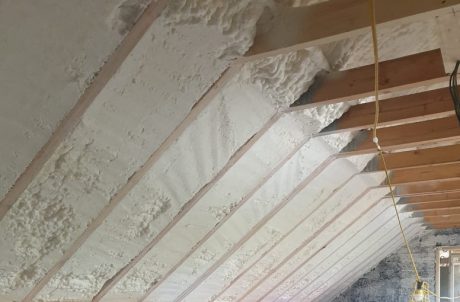
Spray foam creates an airtight seal, which can change the way your attic breathes. In these cases, a different approach to ventilation may be needed, such as conditioning the attic space. It’s best to consult an insulation or roofing expert to ensure your system is balanced for your specific setup.