Homeowners are increasingly considering solar roofing as a way to reduce energy bills, increase property value, and contribute to a more sustainable future. But with the upfront investment and evolving technology, many people wonder: is solar roofing worth it for their home? This article breaks down the real costs, potential savings, and long-term value of solar-integrated roofing, helping you decide if it’s a smart move for your property.
We’ll explore what solar roofing is, compare it to traditional solar panels, analyze installation expenses, and examine how much you can realistically save over time. Along the way, you’ll find practical tips, expert insights, and links to related resources like the roof upgrade cost guide to help you make an informed decision.
Understanding Solar Roofing: What Sets It Apart?
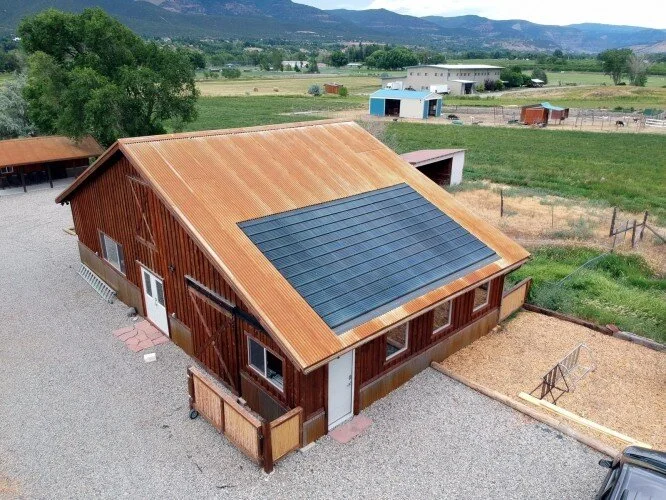
Solar roofing, sometimes called building-integrated photovoltaics (BIPV), refers to roofing materials that generate electricity from sunlight while serving as your home’s primary weather barrier. Unlike traditional solar panels, which are mounted on top of an existing roof, solar shingles or tiles are designed to blend in seamlessly with the roofline.
These systems come in various forms, including:
- Solar shingles that mimic the look of asphalt or slate tiles
- Integrated solar tiles for clay or concrete roofs
- Full-roof solar solutions for new construction or major roof replacements
Solar roofing is often chosen for its aesthetics, durability, and the ability to generate clean energy without bulky panels. However, the technology is newer and typically more expensive than standard solar arrays.
How Much Does Solar Roofing Cost?
The price of solar-integrated roofing depends on several factors, including roof size, complexity, brand, and your location. On average, you can expect to pay between $21 and $40 per square foot for a solar shingle installation, compared to $3–$8 per watt for traditional solar panels. For a 2,000-square-foot roof, this could mean a total cost ranging from $40,000 to $80,000 before incentives.
Key cost drivers include:
- Type and brand of solar roofing material
- Roof shape and pitch (complex roofs cost more)
- Labor and permitting fees in your area
- Electrical upgrades or battery storage options
While the upfront investment is significant, it’s important to factor in the dual function of these materials—they replace both your roof and your energy source. For those already planning a roof replacement, the incremental cost of going solar may be less than you think. For a deeper look at roof replacement expenses, see our asphalt roof replacement guide.
Potential Savings: How Solar Roofing Impacts Your Bills
One of the biggest draws of solar roofing is the promise of lower utility costs. The amount you save depends on your local electricity rates, how much sunlight your roof receives, and the size of your solar system. On average, homeowners with solar-integrated roofs can save between $600 and $2,000 per year on electricity bills.
Here’s how the savings add up:
- Net metering allows you to sell excess power back to the grid, further reducing costs
- Federal tax credits (currently 30% for solar installations) and local incentives can significantly lower your net investment
- Over 25–30 years, total savings can reach $20,000–$60,000, depending on energy prices and system size
It’s important to note that actual savings will vary. Factors like roof orientation, shading, and local weather patterns play a role. To maximize your return, work with a reputable installer who can accurately model your expected output and savings.
Comparing Solar Roofing to Traditional Solar Panels
When weighing is solar roofing worth it versus standard solar panels, consider the following:
| Feature | Solar Roofing | Traditional Panels |
|---|---|---|
| Aesthetics | Seamless, integrated look | Visible, raised panels |
| Cost | Higher upfront (roof + solar) | Lower upfront (solar only) |
| Efficiency | Slightly lower per square foot | Typically higher per square foot |
| Roof Replacement | Ideal for new roofs or full replacements | Can be added to existing roofs |
| Durability | Designed as roofing material | Panels last 25+ years, roof may need separate replacement |
Solar roofing is best suited for homeowners who value appearance, are already planning a roof upgrade, or want an all-in-one solution. If you have a newer roof and want the fastest payback, traditional panels may be more cost-effective. For more on the timing and costs of replacing your roof, see our guide on replacing old asphalt roof.
Does Solar Roofing Increase Home Value?
Installing solar-integrated roofing can boost your home’s resale value. According to multiple studies, homes with solar energy systems tend to sell faster and for a premium compared to similar properties without solar. The exact increase depends on your market, but it’s not uncommon to see a 3–5% bump in value.
Factors that influence added value include:
- Age and warranty of the solar roofing system
- Energy savings and system output
- Local buyer demand for green features
Buyers are increasingly looking for homes with sustainable upgrades, and a modern solar roof can be a strong selling point. For those planning to stay in their home long-term, the combination of energy savings and increased value can make the investment even more attractive.
Maintenance, Durability, and Longevity
Solar roofing materials are engineered to withstand the same weather conditions as premium shingles or tiles. Most come with warranties ranging from 20 to 30 years. Maintenance is minimal—typically just periodic cleaning and inspections to ensure optimal performance. Using tools like a roof cleaning brush can help keep your system free of debris and operating efficiently.
For tips on avoiding common pitfalls during installation or maintenance, check out our article on roofing mistakes to avoid.
Who Should Consider Solar Roofing?
Solar-integrated roofing is a great fit for:
- Homeowners planning a full roof replacement or new construction
- Those who value curb appeal and want a sleek, integrated look
- People in areas with high electricity rates and good solar exposure
- Anyone looking to maximize long-term savings and property value
If your existing roof is in good shape and you want the quickest payback, traditional solar panels may be a better choice. However, if you’re ready for a new roof and want to future-proof your home, solar roofing offers unique advantages.
For more details on the advantages and considerations, see this in-depth overview of solar roof tile benefits.
FAQs About Solar Roofing
How long does solar roofing last?
Most solar roofing systems are rated for 25–30 years of performance, with warranties to match. The underlying roofing materials are designed to last as long as or longer than standard shingles or tiles.
Can I install solar roofing on any type of home?
Solar-integrated roofing works best on homes with simple rooflines and good sun exposure. Complex or heavily shaded roofs may not be ideal. Always consult with a qualified installer to assess your property’s suitability.
Are there incentives for installing solar roofing?
Yes. Homeowners can take advantage of federal tax credits (currently 30%), and many states or utilities offer additional rebates or incentives. These can significantly reduce your net investment and improve your return on investment.
What maintenance does solar roofing require?
Maintenance is generally limited to occasional cleaning and annual inspections. Keeping the surface free of leaves, dirt, and debris helps maintain optimal energy production.
Is solar roofing more expensive than traditional panels?
Upfront costs are typically higher for solar-integrated roofing, especially if you’re not already replacing your roof. However, for new roofs or major renovations, the combined cost can be competitive with a separate roof and solar panel installation.