Proper attic ventilation is essential for maintaining a healthy, energy-efficient home. Among the various ventilation options, gable vents are a popular and effective solution for promoting air circulation in attic spaces. Understanding how gable vents work can help homeowners make informed decisions about their roofing and insulation needs, ensuring comfort and longevity for their property.
In this article, we’ll explore the mechanics behind gable vents, their benefits, installation considerations, and how they compare to other attic ventilation methods. If you’re planning a roofing project or considering an upgrade, it’s also helpful to understand related topics such as roof upgrade cost to make the most of your investment.
Understanding the Role of Gable Vents in Attic Ventilation
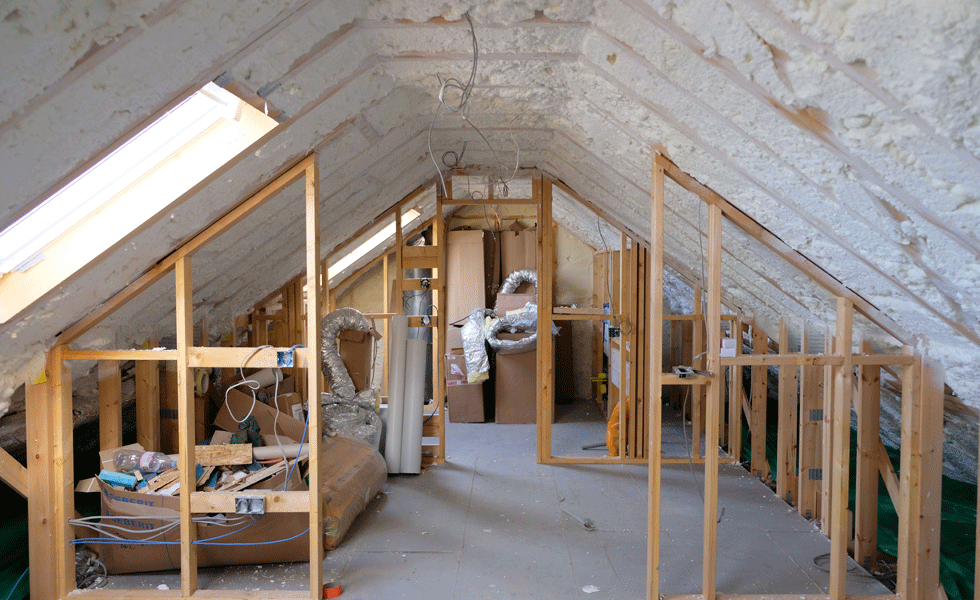
Gable vents are installed on the exterior walls of an attic, typically near the peak of the gable ends. Their primary function is to allow air to flow in and out of the attic, creating a cross-ventilation effect. This movement of air helps regulate temperature and moisture levels, preventing common issues such as mold growth, wood rot, and excessive heat buildup.
The effectiveness of gable vents depends on their placement and the presence of adequate intake and exhaust points. When properly positioned, they enable wind-driven air to enter from one side and exit through the opposite vent, flushing out hot, moist air and drawing in cooler, drier air from outside.
How Gable Vents Facilitate Air Movement
The science behind how gable vents work is based on the principle of natural convection and wind pressure. Warm air inside the attic rises and seeks an escape route, while cooler air from outside is drawn in to replace it. Gable vents provide these pathways, encouraging a continuous exchange of air.
- Wind-driven ventilation: When wind blows against one gable vent, it creates positive pressure, pushing air into the attic. Simultaneously, the vent on the opposite side experiences negative pressure, pulling air out. This cross-ventilation is especially effective in areas with consistent breezes.
- Thermal convection: Even without wind, temperature differences between the attic and the outdoors can drive air movement. Hot air rises and escapes through the vents, while cooler air enters to balance the pressure.
Benefits of Using Gable Vents for Attic Spaces
Installing gable vents offers several advantages for homeowners looking to improve attic air movement:
- Temperature regulation: By allowing hot air to escape, gable vents help keep attic temperatures lower, reducing the strain on air conditioning systems and lowering energy bills.
- Moisture control: Proper ventilation minimizes condensation and moisture buildup, which can lead to mold, mildew, and structural damage.
- Extended roof life: Preventing excessive heat and moisture helps protect roofing materials, insulation, and wooden structures, ultimately extending the lifespan of your roof.
- Cost-effective solution: Gable vents are relatively easy to install and maintain, making them a practical choice for many homes.
Comparing Gable Vents to Other Attic Ventilation Methods
While gable vents are effective, they are just one of several attic ventilation options. Other common methods include ridge vents, soffit vents, and powered attic fans. Each has its own strengths and ideal applications:
- Ridge vents: Installed along the peak of the roof, these provide continuous ventilation and are often paired with soffit vents for balanced airflow.
- Soffit vents: Located under the eaves, these serve as intake points, working in tandem with exhaust vents to create a steady flow of air.
- Powered attic fans: These use electricity to actively move air, which can be beneficial in climates with little wind but may increase energy consumption.
The best ventilation system depends on your roof design, climate, and specific needs. In some cases, combining gable vents with other types of vents can enhance performance, but it’s important to avoid creating conflicting airflows that could reduce effectiveness.

Installation Tips and Best Practices for Gable Vents
To maximize the benefits of gable vents, proper installation is key. Here are some guidelines to follow:
- Correct placement: Install vents high on the gable ends, near the roof peak, to promote optimal airflow.
- Balanced sizing: Ensure the total vent area is adequate for your attic’s square footage. Too little ventilation can trap heat and moisture, while too much can disrupt insulation performance.
- Unobstructed pathways: Keep vents clear of insulation, debris, and obstructions to maintain free air movement.
- Complementary systems: If combining with other vent types, consult a roofing professional to ensure the system works harmoniously.
For those planning a larger roofing project, reviewing resources like the asphalt roof replacement guide can provide additional insights into integrating ventilation with new roofing materials.
Common Issues and Maintenance for Gable Vents
Like any part of your home’s exterior, gable vents require periodic inspection and maintenance to function properly:
- Blockages: Leaves, nests, or insulation can block vents, reducing airflow. Clean vents regularly to prevent obstructions.
- Water intrusion: Ensure vents are properly flashed and sealed to prevent rain or snow from entering the attic.
- Pest prevention: Install screens or grilles to keep out birds, insects, and rodents.
- Structural integrity: Check for signs of rust, corrosion, or damage, and repair or replace vents as needed.
Addressing these issues promptly helps maintain effective attic ventilation and protects your home from potential damage.
FAQ: Gable Vents and Attic Ventilation
Do gable vents work well in all climates?
Gable vents are effective in most temperate climates, especially where there is regular wind to drive cross-ventilation. In very hot or humid regions, or in areas with little wind, additional ventilation methods may be needed for optimal results.
Can gable vents be combined with other types of attic vents?
Yes, gable vents can work alongside other ventilation systems such as ridge or soffit vents. However, it’s important to design the system carefully to avoid creating competing airflows, which can reduce overall efficiency.
How often should gable vents be inspected or cleaned?
It’s recommended to inspect and clean gable vents at least once a year, ideally before the start of extreme weather seasons. Regular maintenance ensures that vents remain clear and functional.
What are signs that attic ventilation is insufficient?
Warning signs include high attic temperatures, condensation on rafters, mold or mildew growth, and premature roof aging. If you notice these issues, it may be time to evaluate your attic ventilation and consider improvements.
Conclusion
Understanding the principles behind how gable vents work is essential for maintaining a healthy attic environment. By promoting steady airflow, these vents help regulate temperature, control moisture, and extend the life of your roof and insulation. For homeowners considering upgrades or replacements, integrating effective ventilation with other roofing improvements can provide lasting benefits. For further reading on related topics, explore resources on replacing old asphalt roof or learn about roofing mistakes to avoid during your next project.