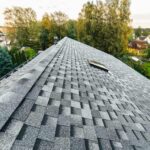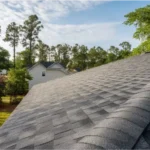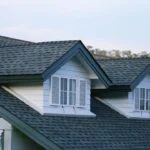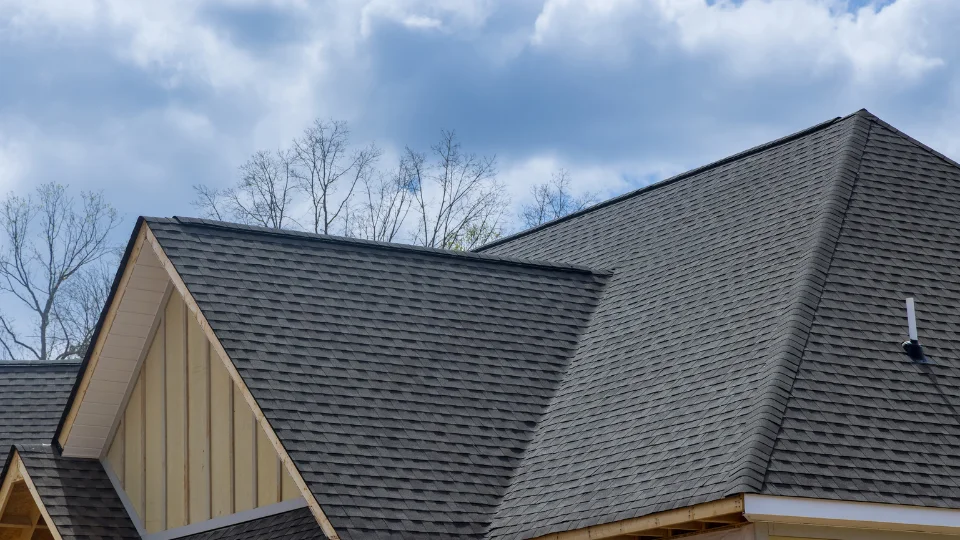
When it comes to selecting a new roof for your home, the options can feel overwhelming. Among the most popular choices for residential properties, asphalt roofing stands out for its balance of affordability, durability, and curb appeal. Homeowners and contractors alike often recommend this material for its proven performance and versatility in various climates and architectural styles.
Understanding the advantages of this roofing solution can help you make an informed decision that protects your investment and enhances your home’s appearance. In this article, we’ll explore the key reasons homeowners opt for this type of roof, including its cost-effectiveness, design flexibility, and long-term reliability.
Before diving into the main benefits, it’s helpful to know which type of shingle best suits your needs and climate. For a detailed comparison, see the best type of asphalt shingles guide, which breaks down the pros and cons of various options available today.
Key Advantages of Asphalt Shingles
There are several compelling reasons why so many homeowners select this roofing material. Here are some of the most important benefits:
- Affordability: Asphalt shingles are among the most budget-friendly roofing options, making them accessible for a wide range of projects.
- Wide Range of Styles: Available in numerous colors, textures, and profiles, these shingles can complement almost any home design.
- Proven Durability: Modern products are engineered to withstand harsh weather, resist algae growth, and maintain their appearance for decades.
- Ease of Installation and Repair: Compared to other materials, asphalt shingles are quicker and less labor-intensive to install or replace, which can save on labor costs.
- Fire and Wind Resistance: Many products are rated for high wind speeds and offer excellent fire protection, providing peace of mind for homeowners.
Understanding the Construction and Longevity
Modern asphalt shingles are manufactured using a fiberglass or organic mat base, coated with asphalt and topped with mineral granules. This layered construction provides strength, flexibility, and weather resistance. The manufacturing process has evolved significantly, resulting in products that can last 20 to 50 years, depending on the grade and local climate conditions.
For homeowners interested in the details of how these shingles are made and why that matters, the article what asphalt shingles are made of and why it’s important offers a comprehensive explanation of the materials and their impact on performance.
Design Flexibility and Curb Appeal
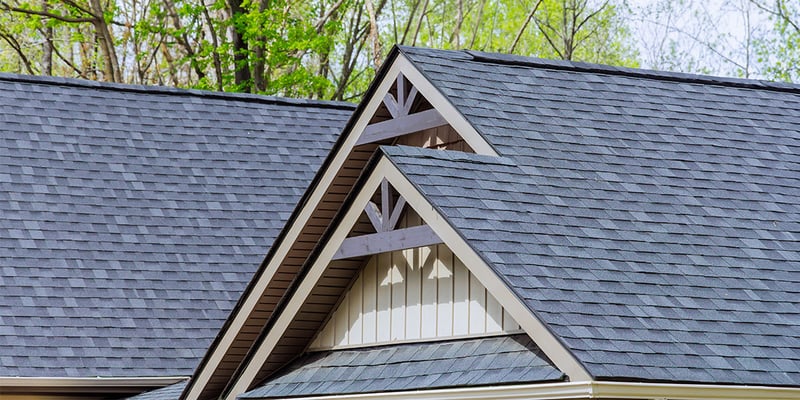
One of the standout features of asphalt shingles is their adaptability to different architectural styles. Whether your home is traditional, contemporary, or somewhere in between, you can find a shingle that matches your vision. Options range from classic 3-tab shingles to dimensional and luxury varieties, each offering unique textures and shadow lines.
Color selection is another area where this material excels. Manufacturers offer a broad palette, allowing homeowners to coordinate with exterior paint, trim, and landscaping. This flexibility makes it easy to boost curb appeal and potentially increase property value.
If you’re curious about the differences between shingle types, such as 3 tab asphalt shingles or the more modern fiberglass shingles, there are resources available to help you compare features and benefits.
Cost-Effectiveness and Return on Investment
For many property owners, the decision comes down to balancing upfront costs with long-term value. Asphalt shingles are widely recognized for their low initial price point compared to alternatives like metal, tile, or slate. Installation is typically faster and less complex, which reduces labor expenses.
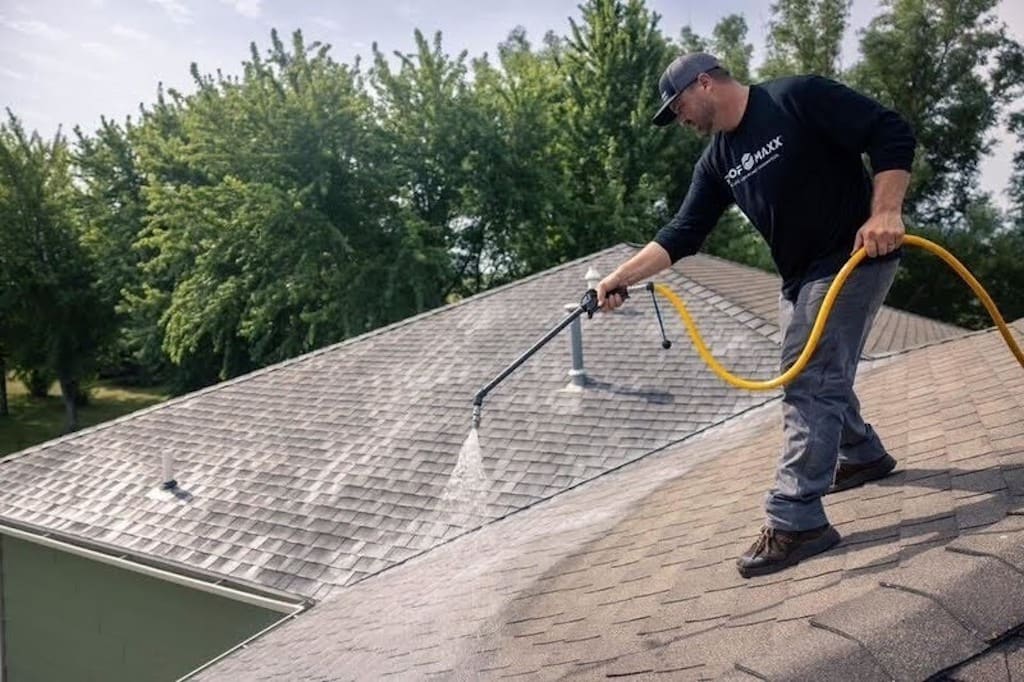
In addition to the initial savings, these roofs require minimal maintenance when properly installed. Occasional inspections and prompt repairs can extend their lifespan and protect your home from leaks or other issues. For tips on identifying when your roof may need attention, see the guide on roof aging signs.
Reliability in Diverse Weather Conditions
Another reason so many homeowners select this roofing solution is its proven performance in a variety of climates. Asphalt shingles are designed to shed water efficiently, resist wind uplift, and handle freeze-thaw cycles. Many products are also treated to resist algae and mold, which can be especially important in humid or shaded environments.
For those living in areas with frequent storms or high winds, it’s worth considering upgraded shingles with enhanced impact and wind resistance. These features can help your roof withstand severe weather and reduce the risk of costly damage.
Environmental Considerations and Recycling
While traditional asphalt shingles are petroleum-based, manufacturers have made strides in improving their environmental footprint. Many products now incorporate recycled materials, and old shingles can often be recycled into road pavement or other uses at the end of their lifespan. This reduces landfill waste and supports more sustainable building practices.
For those interested in the evolution of shingle technology, including the history and pros and cons of organic asphalt shingles, there are resources that explore how the industry has shifted toward more durable and environmentally friendly options.
Frequently Asked Questions
How long do asphalt shingle roofs typically last?
The lifespan of an asphalt shingle roof depends on factors such as the quality of materials, installation, and local climate. Standard products generally last 20 to 30 years, while premium and architectural shingles can last up to 50 years with proper care.
What maintenance is required for asphalt shingles?
Routine maintenance includes periodic inspections for damage, keeping gutters clear, and replacing any missing or damaged shingles promptly. Applying a high-quality sealant can also help extend the life of your roof and prevent leaks.
Are asphalt shingles suitable for all climates?
Yes, modern asphalt shingles are engineered to perform well in a wide range of climates, from hot and sunny regions to areas with heavy rainfall or snow. It’s important to choose a product rated for your specific weather conditions and to ensure professional installation for maximum durability.
Conclusion
Choosing the right roofing material is a significant decision for any homeowner. Asphalt shingles offer a compelling mix of affordability, design options, and reliable performance. Their ease of installation, low maintenance requirements, and adaptability to various home styles make them a practical choice for many. By understanding the benefits and selecting the right product for your needs, you can enjoy a roof that protects your home and enhances its appearance for years to come.