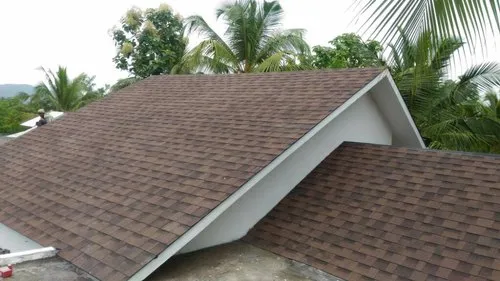
Organic asphalt shingles have played a significant role in North American roofing for decades. Known for their affordability and ease of installation, these shingles were once the go-to choice for many homeowners. However, as roofing technology has evolved, so has the understanding of their strengths and weaknesses. This article explores the origins, advantages, and drawbacks of these traditional roofing materials, providing a clear perspective for anyone considering them for a roofing project.
Whether you are researching options for a new roof or looking to understand the materials on your existing home, learning about the evolution and characteristics of these shingles is essential. For those interested in comparing different types of asphalt shingles, you may also want to explore 3 tab asphalt shingles for an affordable and reliable alternative.
The Origins and Evolution of Organic Asphalt Shingles
The story of organic asphalt shingles begins in the early 20th century. Originally, roofing materials were made from wood, slate, or clay, which were durable but often expensive and labor-intensive to install. The introduction of asphalt shingles revolutionized the industry by offering a lighter, more affordable, and easier-to-install option.
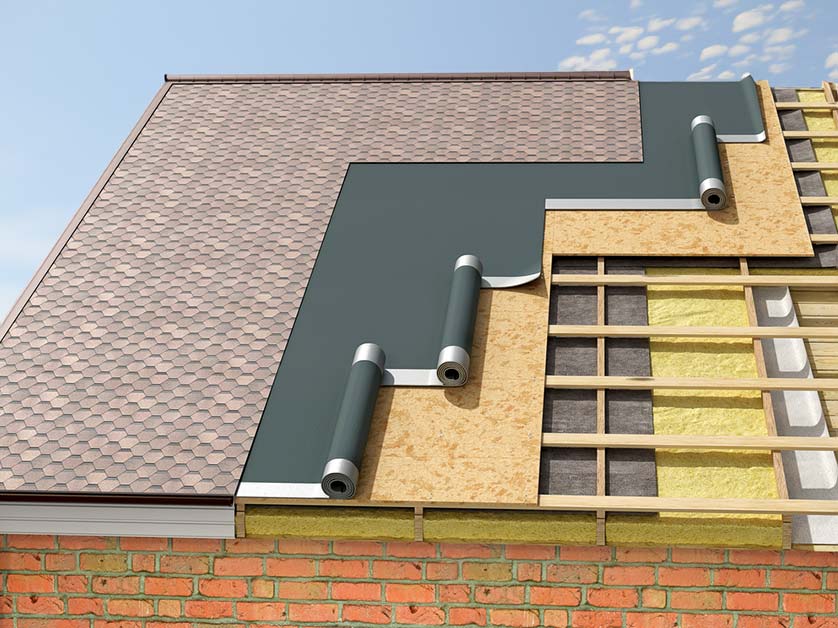
Organic shingles are constructed with a base mat made from cellulose fibers—typically wood, paper, or felt. This mat is then saturated with asphalt to make it waterproof, and finally, ceramic granules are embedded on the surface to protect against UV rays and add color. The result is a shingle that is flexible, easy to cut, and adaptable to various roof shapes.
For much of the 20th century, these shingles dominated the residential roofing market. However, as the industry recognized the limitations of cellulose-based mats, manufacturers began shifting to fiberglass-based alternatives, which offered improved durability and fire resistance.
Key Benefits of Traditional Organic Shingles
Despite being largely replaced by fiberglass shingles in recent years, organic-based asphalt shingles still offer several notable advantages:
- Affordability: One of the main reasons for their popularity was their low cost compared to other roofing materials.
- Ease of Installation: The flexibility and lighter weight of these shingles made them easier and faster to install, reducing labor costs.
- Good Wind Resistance: The thicker, heavier mat provided decent resistance to wind uplift compared to early fiberglass options.
- Simple Repairs: Damaged shingles could be replaced individually without requiring extensive work.
Many homeowners appreciated the traditional look and the straightforward installation process. If you want to learn more about factors that affect the lifespan of asphalt roofs, check out this resource on roof durability factors.

Drawbacks and Limitations of Organic-Based Shingles
While organic asphalt shingles have their merits, they also come with several important disadvantages that have led to their decline in popularity:
- Moisture Absorption: The cellulose mat can absorb water over time, leading to warping, curling, and eventual shingle failure.
- Shorter Lifespan: Compared to fiberglass shingles, organic versions tend to deteriorate faster, especially in humid or rainy climates.
- Increased Weight: The asphalt-saturated mat is heavier, which can put more stress on the roof structure.
- Lower Fire Resistance: Organic materials are more susceptible to fire than fiberglass-based options.
- Environmental Concerns: The use of petroleum-based asphalt and non-recyclable materials raises sustainability questions.
Because of these issues, most manufacturers have phased out organic-based shingles in favor of fiberglass mats, which offer better performance and longevity. If you’re concerned about the condition of your existing roof, you may want to review common roof aging signs to determine if replacement is needed.
Comparing Organic and Fiberglass Asphalt Shingles
Understanding the differences between organic and fiberglass shingles can help homeowners make informed decisions. Both types use asphalt and granules, but their core mat materials set them apart.
| Feature | Organic Asphalt Shingles | Fiberglass Asphalt Shingles |
|---|---|---|
| Base Material | Cellulose (wood/paper/felt) | Fiberglass mat |
| Weight | Heavier | Lighter |
| Moisture Resistance | Lower | Higher |
| Fire Resistance | Lower | Higher |
| Durability | Shorter lifespan | Longer lifespan |
| Availability | Mostly discontinued | Widely available |
For a more in-depth look at how to protect your roof and extend its service life, see these tips on preventing shingle damage and extending roof lifespan.
Installation, Maintenance, and Longevity Tips
If your home already has organic-based shingles, proper care is crucial to maximize their remaining lifespan. Here are some practical tips:
- Inspect your roof regularly for signs of curling, cracking, or missing shingles.
- Keep gutters clean to prevent water buildup and ice dams.
- Trim overhanging branches to reduce shade and minimize moisture retention.
- Promptly replace damaged shingles to prevent leaks.
- Consider using a high-quality sealant to reinforce vulnerable areas—products like those found under Buy Sealant For Roof Shingles can help.
For more information on the types and benefits of asphalt roofing, you can read this comprehensive guide to asphalt shingle roofing types and advantages.
Are Organic Asphalt Shingles Still a Good Choice?
While these shingles were once a staple of residential roofing, most experts now recommend modern fiberglass-based options for new installations. The improved moisture resistance, fire safety, and longevity of fiberglass shingles make them a better investment for today’s homes. However, if your property still has an older organic roof, regular maintenance and timely repairs can help you get the most out of your existing materials.
It’s also important to be aware of the signs that your roof may be reaching the end of its service life. If you notice widespread curling, granule loss, or leaks, it may be time to consider a replacement with newer, more durable products.
Frequently Asked Questions
What are organic asphalt shingles made of?
These shingles use a base mat of cellulose fibers such as wood, paper, or felt. The mat is saturated with asphalt for waterproofing and topped with ceramic granules for UV protection and color.
Why are organic-based shingles no longer widely available?
Due to issues with moisture absorption, shorter lifespan, and lower fire resistance, most manufacturers have discontinued them in favor of fiberglass-based alternatives, which offer better performance and durability.
How can I tell if my roof has organic or fiberglass asphalt shingles?
Organic shingles are generally heavier and may show signs of curling or warping as they age. Fiberglass shingles are lighter and more resistant to moisture. If you’re unsure, a roofing professional can help identify your shingle type during an inspection.
How long do organic asphalt shingles typically last?
On average, these shingles last about 15 to 20 years, though their lifespan can be shorter in areas with high humidity or frequent rainfall. Regular maintenance can help extend their useful life.
What maintenance is recommended for older organic shingle roofs?
Inspect your roof regularly for damage, keep gutters clear, trim nearby trees, and replace damaged shingles promptly. Using a quality roof sealant can also help prevent leaks and prolong the roof’s lifespan.
Understanding the history, benefits, and limitations of organic asphalt shingles can help you make informed decisions about your roofing needs. For more tips on protecting your roof and maximizing its durability, explore related guides on this site and consult with a roofing professional for personalized advice.