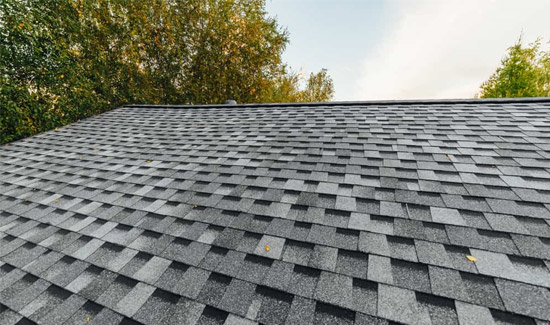
3 tab asphalt shingles have long been a popular choice for homeowners and contractors seeking a balance of affordability, reliability, and classic curb appeal. These shingles are recognized for their distinctive three-tab design, straightforward installation, and cost-effective protection for residential roofs. Whether you’re planning a new roof or considering a replacement, understanding the features and benefits of this roofing option can help you make an informed decision.
In this guide, we’ll explore the structure, advantages, and considerations of three-tab shingles, as well as tips for maximizing their lifespan and value. If you’re interested in learning about how roof wear can affect your home, check out our article on roof aging signs for more insights.
What Sets Three-Tab Shingles Apart?
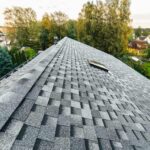
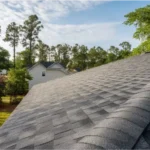
Three-tab shingles are a type of asphalt roofing material characterized by a single layer with cutouts, or “tabs,” that create the appearance of three separate pieces. This design not only gives a uniform look but also helps with water shedding and wind resistance. They are lighter than architectural or dimensional shingles, making them easier to handle during installation.
Key features include:
- Cost-effectiveness: Among the most budget-friendly roofing materials available.
- Simplicity: Straightforward installation and maintenance.
- Variety: Available in multiple colors to suit different home styles.
- Lightweight: Suitable for most standard roof structures without additional reinforcement.
Advantages of Choosing 3 Tab Asphalt Shingles
Opting for three-tab shingles offers several practical benefits for homeowners:
- Affordability: Their lower material and labor costs make them accessible for tight budgets.
- Reliable Performance: When properly installed, they provide solid weather protection for 15–25 years.
- Ease of Repair: Damaged shingles can be replaced individually, minimizing repair expenses.
- Classic Appearance: The uniform, flat look complements a wide range of architectural styles.
For a deeper dive into what affects the durability of asphalt roofs, see our resource on roof durability factors.

Installation and Maintenance Tips for Three-Tab Roofs
Proper installation is essential for maximizing the performance and lifespan of three-tab shingles. Here are some important considerations:
- Surface Preparation: Ensure the roof deck is clean, dry, and in good condition before laying shingles.
- Underlayment: Use a quality underlayment to provide an extra layer of moisture protection.
- Starter Strip: Begin with a starter strip along the eaves to prevent wind uplift and water infiltration.
- Alignment: Carefully align each row to maintain a straight, uniform appearance.
- Nailing: Follow manufacturer guidelines for nail placement and quantity to secure shingles against wind.
Regular maintenance includes inspecting for damaged or missing shingles, cleaning debris from gutters, and checking for signs of algae or moss. For advice on how to prevent shingle damage, refer to our dedicated guide.
Comparing Three-Tab and Architectural Shingles
While three-tab shingles are valued for their simplicity and affordability, architectural (or dimensional) shingles offer a thicker, more textured look and often come with longer warranties. Here’s a quick comparison:
| Feature | Three-Tab Shingles | Architectural Shingles |
|---|---|---|
| Cost | Lower | Higher |
| Appearance | Flat, uniform | Textured, dimensional |
| Durability | 15–25 years | 25–35 years |
| Weight | Lighter | Heavier |
| Wind Resistance | Up to 60 mph | Up to 110 mph |
Three-tab shingles remain a practical choice for many homes, especially where budget and straightforward installation are priorities.
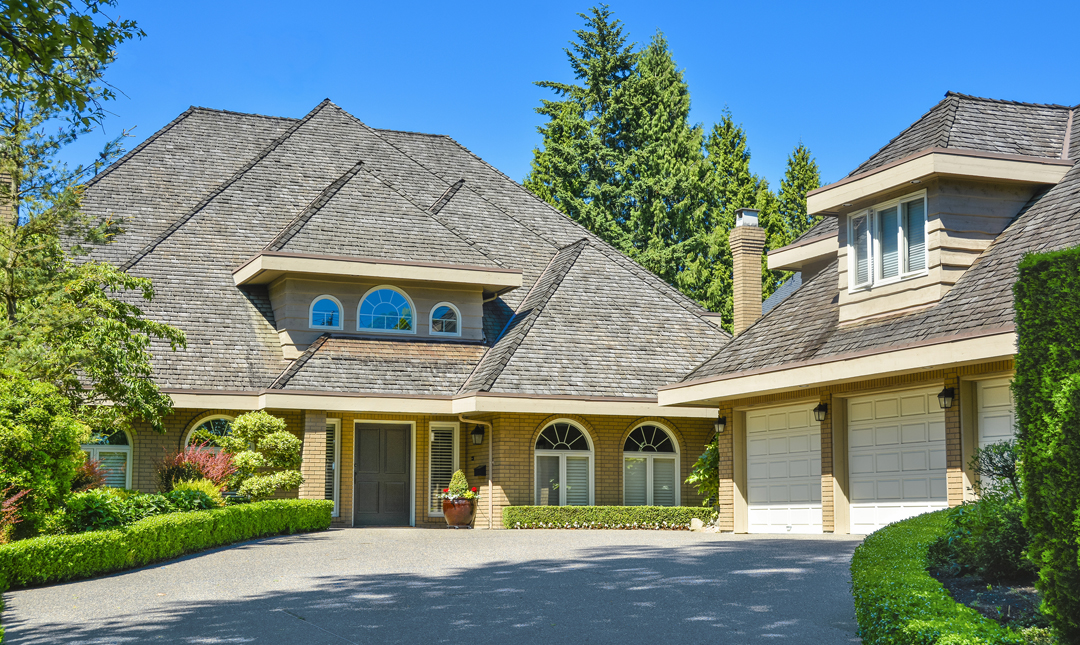
How to Extend the Life of Your Asphalt Shingle Roof
With proper care, three-tab roofs can provide many years of dependable service. Here are some strategies for getting the most from your investment:
- Routine Inspections: Check your roof at least twice a year and after severe weather for any signs of wear or damage.
- Prompt Repairs: Address small issues like cracked or missing shingles quickly to prevent leaks and further deterioration. For step-by-step help, see our article on asphalt roof leak repair.
- Keep Gutters Clean: Clogged gutters can cause water to back up under shingles, leading to rot and leaks.
- Trim Overhanging Branches: Prevent branches from rubbing against the roof and dropping debris that can trap moisture.
- Algae and Moss Control: Use appropriate treatments if you notice growth, as these can shorten shingle lifespan.
For more tips on getting the most from your roof, read our guide on extending roof lifespan.
Common Questions About Three-Tab Shingles
How long do three-tab shingles typically last?
Most three-tab roofs offer a service life of 15 to 25 years, depending on climate, installation quality, and maintenance. Regular inspections and timely repairs can help maximize their longevity.
Are three-tab shingles suitable for all climates?
These shingles perform well in moderate climates, but in areas with frequent high winds or severe weather, architectural shingles may be a better choice due to their enhanced durability and wind resistance.
Can I install three-tab shingles myself?
While some experienced DIYers tackle shingle installation, it’s important to follow manufacturer guidelines closely. Improper installation can void warranties and reduce the roof’s lifespan. For most homeowners, hiring a professional is recommended.
Further Reading and Resources
For a comprehensive overview of asphalt shingle roofing, visit this in-depth guide to asphalt shingle roofs. Staying informed can help you make the best decisions for your home’s protection and value.