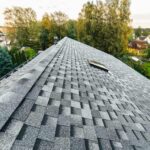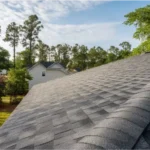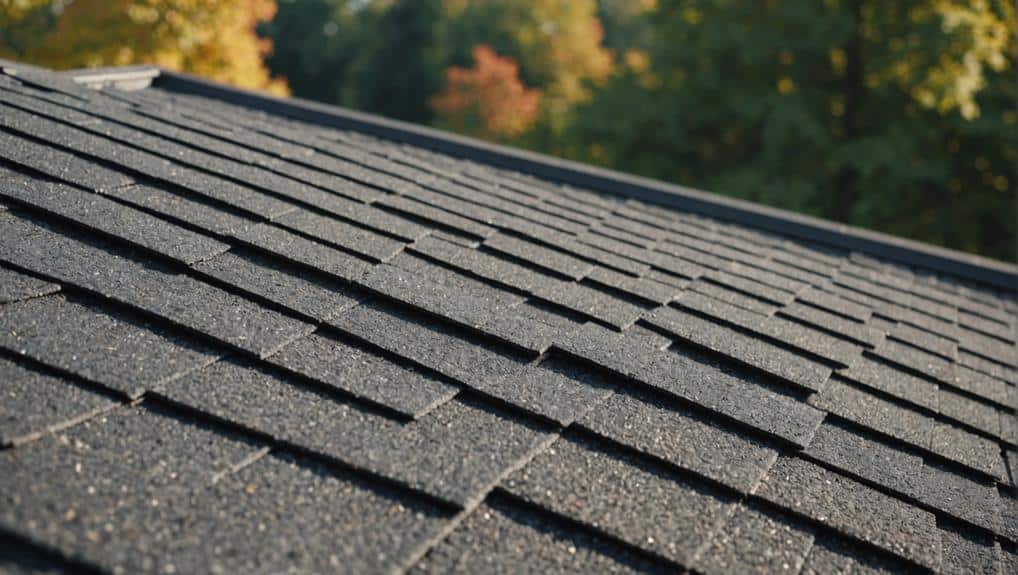
Fiberglass shingles have become a top choice for homeowners seeking a balance of long-lasting performance, affordability, and visual appeal. As roofing technology advances, these composite shingles are increasingly favored for their ability to withstand harsh weather while maintaining a clean, attractive appearance. Whether you’re planning a new roof or considering a replacement, understanding the benefits and considerations of fiberglass-based roofing can help you make an informed decision.
This article explores how these modern shingles are constructed, their advantages over traditional options, and what to expect in terms of installation, maintenance, and lifespan. For those interested in comparing other shingle types, you may want to review 3 tab asphalt shingles for an affordable and reliable alternative.
What Sets Fiberglass Shingles Apart?
Unlike older organic asphalt shingles, fiberglass varieties use a woven glass fiber mat as their core. This mat is coated with asphalt and topped with ceramic granules, resulting in a lighter, more fire-resistant product. The use of fiberglass as the base material gives these shingles several distinct advantages:
- Lightweight construction reduces stress on roof structures.
- Improved fire resistance compared to organic-based shingles.
- Greater durability in extreme weather conditions.
- Consistent quality due to modern manufacturing processes.
These features make fiberglass-based roofing a smart investment for homeowners who want both protection and value.
Key Benefits of Modern Composite Shingles
Choosing fiberglass for your roof offers a range of practical benefits. Here’s what makes them a popular option for residential properties:
- Longer lifespan: With proper care, these shingles can last 25–30 years or more.
- Weather resistance: The fiberglass mat resists warping, cracking, and moisture damage.
- Fire safety: Many products carry a Class A fire rating, the highest available for roofing materials.
- Low maintenance: Their durable surface sheds water and resists algae growth, reducing upkeep needs.
- Wide style selection: Available in a variety of colors and profiles to match any home aesthetic.
For more details on how various factors influence roof longevity, see this overview of roof durability factors.
Comparing Fiberglass to Organic Asphalt Shingles
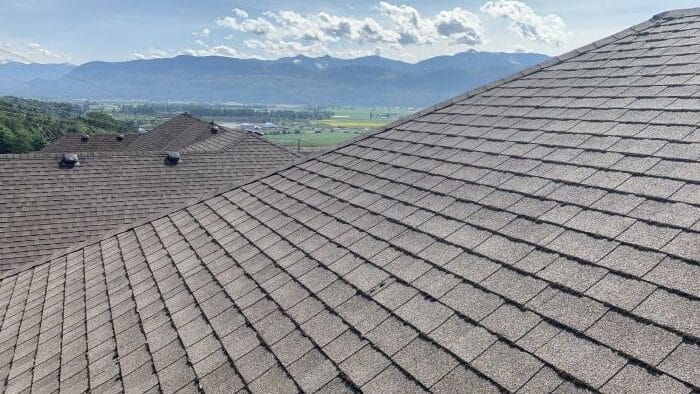
Both fiberglass and organic asphalt shingles are common in residential roofing, but their construction and performance differ significantly. Organic shingles use a paper-based mat, making them heavier and more prone to absorbing moisture. In contrast, fiberglass options are lighter and less likely to warp or rot over time.
| Feature | Fiberglass Shingles | Organic Asphalt Shingles |
|---|---|---|
| Core Material | Fiberglass mat | Paper (organic) mat |
| Weight | Lighter | Heavier |
| Fire Resistance | High (Class A) | Lower |
| Moisture Resistance | Excellent | Prone to absorption |
| Lifespan | 25–30+ years | 15–20 years |
For a deeper dive into the structure and function of asphalt-based roofing, see this simple guide to asphalt shingle roofing systems.
Installation and Maintenance Tips
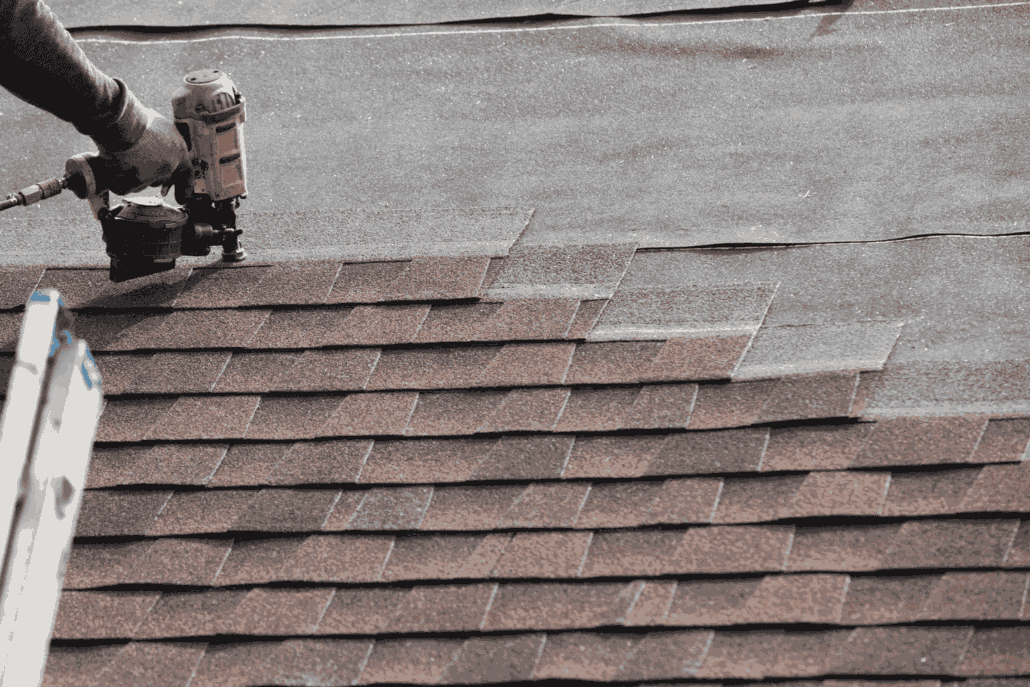
Proper installation is key to maximizing the lifespan of any shingle roof. Most fiberglass products are designed for straightforward installation, but hiring a qualified roofer ensures correct placement and sealing. Here are a few tips for homeowners:
- Inspect the roof deck for damage before installation.
- Use compatible underlayment and fasteners as recommended by the manufacturer.
- Seal all joints and flashing to prevent leaks.
- Schedule regular inspections to catch minor issues early.
Routine maintenance is minimal but important. Remove debris, keep gutters clear, and address moss or algae promptly. For advice on protecting your roof from common hazards, refer to these strategies to prevent shingle damage.
Signs It’s Time to Replace Your Shingles
Even the most durable roofing will eventually show signs of wear. Watch for these indicators that your fiberglass roof may need attention:
- Cracked, curled, or missing shingles
- Granule loss exposing the underlying mat
- Leaks or water stains inside the home
- Visible sagging or soft spots on the roof surface
Regular inspections can help you spot these issues early. For more information on recognizing when your roof is nearing the end of its service life, check out this guide to roof aging signs.
Maximizing the Lifespan of Your Roof
To get the most out of your investment in fiberglass-based shingles, adopt a few simple habits:
- Trim overhanging branches to prevent debris buildup and abrasion.
- Clean gutters regularly to avoid water backup and ice dams.
- Address minor repairs promptly to prevent larger issues.
- Schedule professional inspections every few years.
Following these practices can help you avoid premature replacement and extend the life of your roof. For more tips, see this article on extending roof lifespan.
Frequently Asked Questions
Are fiberglass shingles better than traditional asphalt shingles?
Fiberglass varieties generally offer better fire resistance, lighter weight, and improved durability compared to older organic asphalt shingles. Their glass fiber core resists moisture and warping, making them a preferred choice for many modern homes.
How long do fiberglass-based shingles typically last?
With proper installation and maintenance, these shingles can last 25 to 30 years or longer. Factors such as climate, roof slope, and ventilation can influence their actual lifespan.
Do these shingles require special maintenance?
Maintenance is straightforward: keep the roof clear of debris, clean gutters regularly, and inspect for damage after severe weather. Promptly address any cracked or missing shingles to maintain the roof’s protective barrier.
Can I install fiberglass shingles over an existing roof?
In some cases, it’s possible to install new shingles over an existing layer, but it’s important to check local building codes and manufacturer guidelines. Removing old roofing is often recommended for the best results and to ensure any underlying issues are addressed.
Conclusion
Fiberglass-based shingles offer a compelling mix of durability, safety, and style for residential roofs. Their lightweight construction, resistance to fire and weather, and ease of maintenance make them a practical choice for homeowners looking for long-term value. By understanding their unique advantages and following best practices for installation and care, you can enjoy a reliable, attractive roof for decades to come.