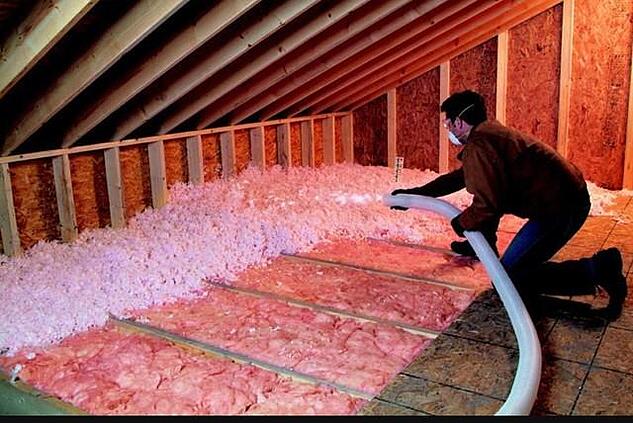
Understanding how much energy and money you can save with proper roof insulation is essential for homeowners and building managers alike. Calculating the potential savings from insulating your roof involves a mix of building science, climate data, and practical considerations. This article explains the key concepts behind roof insulation energy savings calculations, outlines the main factors that influence results, and provides a step-by-step approach to estimating your own savings. Whether you’re planning a new build or upgrading an existing property, making informed decisions about insulation can lead to significant long-term benefits.
As energy costs continue to rise and sustainability becomes a priority, investing in effective insulation is more important than ever. Not only does it help lower utility bills, but it also improves comfort and reduces your carbon footprint. For those interested in related advancements, exploring solar roofing market trends can offer additional ways to boost energy efficiency.
Why Roof Insulation Matters for Energy Efficiency
The roof is one of the largest surfaces exposed to external weather conditions. Without adequate insulation, heat can escape during winter and enter during summer, forcing your HVAC system to work harder. By improving the thermal barrier, you can reduce energy consumption and create a more stable indoor environment.
Effective insulation slows down heat transfer, which means your home stays warmer in cold months and cooler in hot months. This not only enhances comfort but also extends the life of your heating and cooling equipment by reducing its workload.
Key Factors in Roof Insulation Energy Savings Calculations
To estimate how much you can save, it’s important to understand the variables that affect energy performance. Here are the main elements to consider:
- Climate Zone: The local climate determines how much heat is lost or gained through the roof. Colder regions benefit more from high R-value insulation, while warmer areas focus on reducing heat gain.
- R-Value of Insulation: This measures the material’s resistance to heat flow. Higher R-values provide better insulation and greater energy savings.
- Existing Roof Condition: Older roofs or those with minimal insulation will see more dramatic improvements compared to newer, well-insulated structures.
- Roof Area: The larger the insulated area, the greater the potential savings.
- Heating and Cooling Costs: The price of energy in your area and how much you use your HVAC system directly impact the financial benefits.
How to Estimate Potential Savings from Roof Insulation
Calculating the impact of new or upgraded insulation involves a few straightforward steps. While professional energy audits provide the most accurate results, you can get a reliable estimate using the following approach:
-
Determine Your Current Insulation Level:
Check the R-value of your existing roof insulation. This information may be available in building records or can be measured by a contractor.
-
Identify Recommended R-Value for Your Region:
Local building codes or energy agencies often publish recommended R-values based on climate. Upgrading to these standards maximizes efficiency.
-
Calculate the Difference in Heat Loss:
Use the formula:
Heat Loss Reduction (%) = (1 - (Current R-Value / New R-Value)) × 100This gives you the percentage reduction in heat transfer through the roof.
-
Estimate Annual Energy Savings:
Multiply your annual heating and cooling costs by the heat loss reduction percentage. For example, if you spend $1,200 per year and reduce heat loss by 30%, your estimated savings would be $360 annually.
-
Factor in Additional Benefits:
Improved comfort, increased property value, and potential rebates or tax credits can further enhance the return on investment.
Common Methods and Tools for Energy Savings Calculations
There are several ways to perform roof insulation energy savings calculations, ranging from simple online calculators to detailed energy modeling software. Here’s a quick overview:
- Online Calculators: Many government and utility websites offer free tools where you input your location, roof size, insulation type, and energy costs to estimate savings.
- Manual Calculations: As outlined above, you can use basic formulas to get a ballpark figure. This is useful for quick comparisons or planning purposes.
- Professional Energy Audits: For the most precise assessment, consider hiring an energy auditor. They use advanced diagnostic tools to measure heat loss and recommend tailored solutions.

Maximizing Results: Best Practices for Roof Insulation
To achieve the highest possible energy savings, consider these best practices:
- Seal Air Leaks: Insulation works best when combined with proper air sealing. Gaps and cracks around vents, chimneys, and attic hatches can undermine performance.
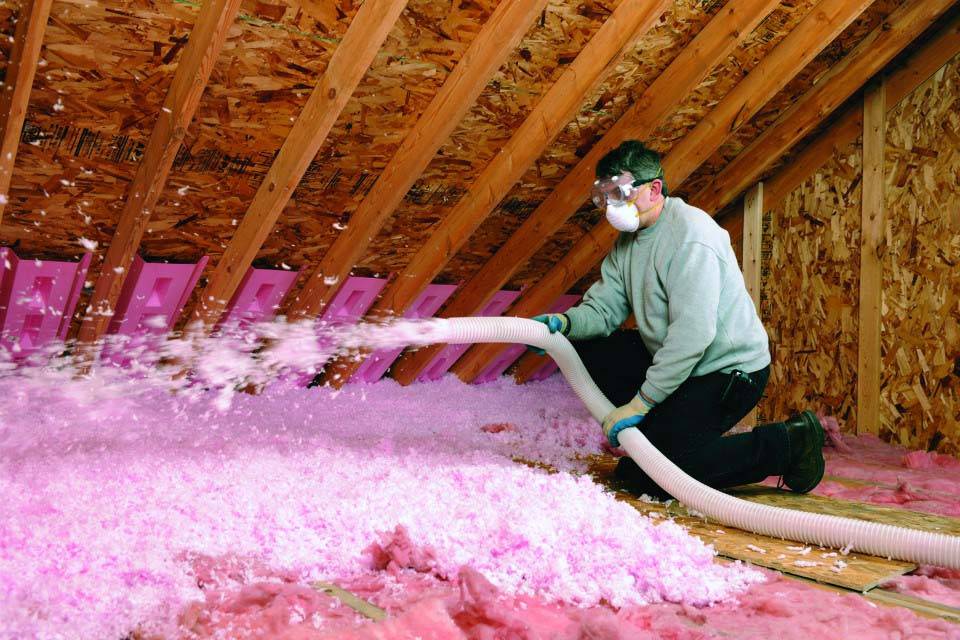
- Choose the Right Material: Options include fiberglass batts, spray foam, cellulose, and rigid foam boards. Each has different R-values, costs, and installation requirements.
- Ensure Proper Installation: Poorly installed insulation can leave gaps or compress the material, reducing effectiveness. Professional installation is recommended for optimal results.
- Maintain Ventilation: Good attic ventilation prevents moisture buildup and helps insulation perform as intended.
For those interested in integrating renewable energy, staying updated on latest solar roofing technology can complement your insulation upgrades and further reduce energy costs.
Comparing Costs and Payback Periods
The upfront cost of adding or upgrading roof insulation depends on the material, labor, and size of the area. However, the investment often pays for itself within a few years through reduced utility bills. Here’s what to keep in mind:
- Material Costs: Prices vary widely, with fiberglass being one of the most affordable and spray foam among the most expensive.
- Labor: DIY installation can save money, but professional work usually ensures better performance and compliance with building codes.
- Rebates and Incentives: Check for local programs that can offset costs and shorten the payback period.
On average, homeowners can expect a payback period of 3–7 years, depending on energy prices and the extent of the upgrade. After that, the ongoing savings contribute directly to your bottom line.
Frequently Asked Questions
How do I know if my roof needs more insulation?
Signs include uneven indoor temperatures, high energy bills, and visible gaps or thin insulation in the attic. An energy audit can provide a clear assessment.
Can I combine roof insulation with solar panels?
Yes, combining insulation with solar panels maximizes energy efficiency. Proper insulation reduces the energy demand, making solar systems more effective. For more on this, see our guide on innovations in solar roofing.
What is the best type of insulation for my roof?
The best type depends on your climate, budget, and roof structure. Fiberglass, cellulose, and spray foam are all common choices. Consulting a professional can help you select the most suitable option.