Knowing when your roof is reaching the end of its lifespan is crucial for protecting your home from leaks, water damage, and costly repairs. Over time, even the most durable shingles begin to show roof aging signs that indicate it’s time to consider repairs or replacement. Recognizing these early can help you plan ahead, avoid emergencies, and extend the life of your roofing system.
Many homeowners are unsure what to look for when inspecting their shingles. While some symptoms are obvious, others are subtle and can be missed without a careful eye. This article will guide you through the most common indicators of shingle wear, explain why they matter, and provide practical advice for what to do next.
If you’re interested in learning more about what affects the longevity of your shingles, check out roof durability factors for a deeper dive into the subject.
Visible Roof Aging Signs to Watch For
Asphalt shingles and other roofing materials display a range of physical changes as they age. Some of the most telling roof aging signs include:
- Curling or cupping shingles: Edges that turn upward or downward signal loss of flexibility and weathering.
- Cracked or split shingles: Exposure to sun, wind, and temperature swings can cause the material to break apart.
- Missing granules: Granules protect shingles from UV rays. Bald spots or excessive granule loss in gutters are red flags.
- Discoloration or streaking: Dark streaks may indicate algae, while uneven color can be a sign of advanced wear.
- Loose or missing shingles: Gaps in the roof surface leave your home vulnerable to leaks and further damage.
These symptoms often develop gradually. Regularly checking your roof, especially after storms or harsh weather, helps you spot problems before they escalate.
Subtle Warning Signs of Shingle Deterioration
Not all roof aging signs are immediately obvious. Some issues develop beneath the surface or in less visible areas. Here are a few subtle indicators that your shingles may be nearing the end of their service life:
- Soft spots or sagging: Areas that feel spongy or look uneven can signal moisture damage or weakened decking below the shingles.
- Frequent moss or algae growth: Persistent green patches can trap moisture and accelerate wear, especially on shaded sections.
- Shingle edges lifting: Wind can catch the edges of aging shingles, making them more likely to blow off in storms.
- Blistering: Raised bubbles on the surface may indicate trapped moisture or poor ventilation.
These problems often require a closer inspection, sometimes from inside the attic. Look for water stains, daylight peeking through, or a musty smell, all of which suggest the roof is no longer providing a reliable barrier.
If you want to prevent further damage, consider reading about ways to prevent shingle damage and keep your roof in top shape.
How Age and Weather Accelerate Roof Wear
The typical asphalt shingle roof lasts 15–30 years, but this range depends on climate, installation quality, and maintenance. Harsh sunlight, heavy rain, hail, and strong winds all accelerate the appearance of roof aging signs. In regions with frequent storms or extreme temperature swings, shingles may deteriorate faster than expected.
Other factors, such as poor attic ventilation, clogged gutters, or improper flashing, can also shorten your roof’s lifespan. Regular inspections and prompt repairs are key to minimizing the impact of these risks.
For a more detailed look at the factors that affect shingle longevity, you might find this guide to the four classes of asphalt roofing shingles helpful.
What to Do If You Notice Roof Aging Symptoms
Once you spot any of the above warning signs, it’s important to act quickly. Here are some practical steps:
- Document the damage: Take clear photos of any visible issues for your records or to share with a roofing professional.
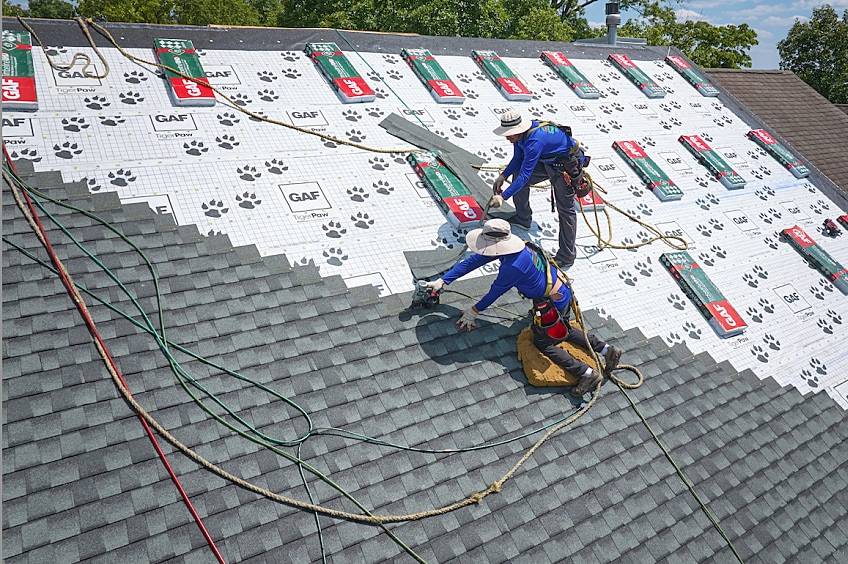
- Schedule an inspection: A qualified contractor can assess the extent of wear and recommend repair or replacement options.
- Address minor issues: Small cracks or missing shingles can sometimes be repaired. For tips, see how to repair asphalt shingles.
- Plan for replacement: If the majority of your shingles are showing advanced wear, budgeting for a new roof is the safest long-term solution.
Delaying action can lead to leaks, mold, and structural problems. Regular maintenance and prompt repairs help you avoid bigger headaches down the road.
Tips to Extend the Life of Your Roof
While all roofs eventually wear out, you can slow the process and delay the need for replacement by following a few simple habits:
- Keep gutters clean to prevent water backup and ice dams.
- Trim overhanging branches to reduce debris and shade that encourages moss.
- Inspect your attic for signs of leaks or poor ventilation.
- Remove moss and algae promptly with gentle cleaning solutions.
- Schedule professional inspections every few years, especially after severe weather.
For more strategies on maximizing your roof’s lifespan, read about extending roof lifespan with simple, effective habits.
FAQ: Common Questions About Shingle Wear and Roof Aging
How often should I inspect my roof for aging signs?
It’s recommended to check your roof at least twice a year—once in the spring and once in the fall. Also, inspect after major storms or high winds to catch any new damage early.
Can I repair worn shingles myself, or do I need a professional?
Minor repairs, such as replacing a few shingles or applying sealant, can be done by handy homeowners. However, widespread damage or structural issues should always be handled by a licensed roofing contractor to ensure safety and quality.
What are the risks of ignoring roof aging symptoms?
Delaying repairs can lead to leaks, water damage, mold growth, and even structural problems in your home. Addressing roof aging signs promptly helps avoid expensive repairs and protects your investment.
How do I know if I need a full roof replacement?
If more than 25–30% of your shingles are damaged, or if your roof is near the end of its expected lifespan, replacement is usually more cost-effective than ongoing repairs.
Are all shingle types affected by aging in the same way?
No, different materials age differently. For example, architectural shingles may last longer than basic three-tab shingles. For more details, see resources about asphalt shingle roof repair and the types of shingles available.