Homeowners are increasingly interested in the solar roofing return on investment as energy costs rise and sustainable living becomes a priority. Understanding how solar shingles and integrated solar roofs impact your finances is essential before making a significant upgrade. This guide breaks down the real-world costs, savings, and value considerations so you can make an informed decision about investing in solar roofing for your property.
Whether you’re replacing an aging roof or building a new home, solar roofing offers the potential for long-term savings, increased property value, and a reduced carbon footprint. However, the actual return depends on several factors, including installation costs, local incentives, energy usage, and the quality of the roofing materials. For those considering a broader roof upgrade, it’s also helpful to compare the roof upgrade cost of high-performance shingles to solar options.
What Determines the Payback Period for Solar Roofs?
The payback period is the time it takes for your solar roof investment to generate enough savings to cover its initial cost. Several variables influence this timeline:
- Installation costs: The upfront price of solar shingles or integrated solar panels, including labor and materials.
- Energy production: How much electricity your system generates, which depends on your roof’s orientation, shading, and local climate.
- Electricity rates: Higher local utility rates mean faster savings from solar energy production.
- Incentives and rebates: Federal, state, and local programs can significantly reduce your net cost.
- Maintenance and durability: Quality materials and professional installation reduce long-term costs and maximize output.
On average, homeowners see a payback period of 8 to 15 years for solar roofing, but this can vary widely. The more electricity you use and the higher your local rates, the quicker you’ll see a return.
Comparing Solar Shingles and Traditional Solar Panels
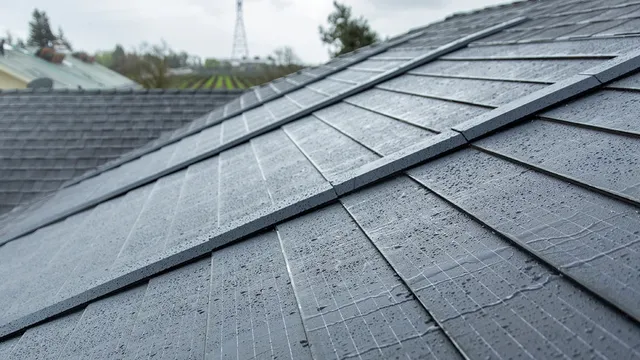
Solar roofing comes in two main forms: solar shingles (also called building-integrated photovoltaics) and traditional rack-mounted solar panels. Each has unique cost and value considerations:
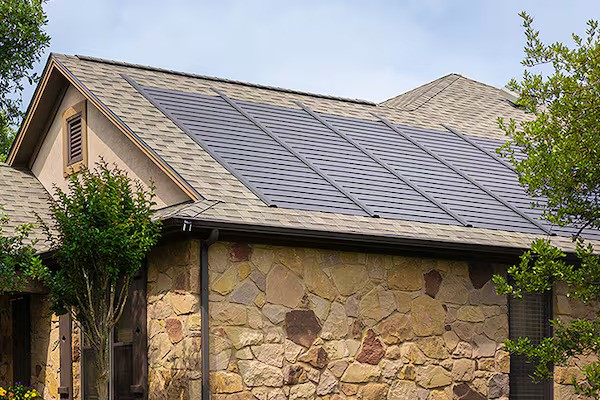
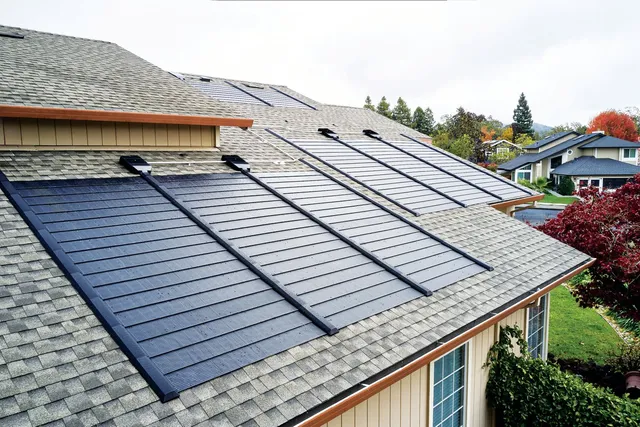
- Solar shingles: These are designed to blend seamlessly with your roof, offering a sleek appearance and serving as both roofing material and energy generator. They tend to cost more upfront but can add curb appeal and property value.
- Traditional panels: Typically less expensive per watt, but they are mounted on top of existing roofing and may not be as visually appealing.
When considering the solar roofing return on investment, it’s important to weigh aesthetics, installation complexity, and long-term durability. For a detailed look at the pros and cons, see this guide to the advantages and disadvantages of solar shingles.
Calculating Your Solar Roofing ROI
To estimate your potential return, start by calculating your total system cost, including installation and any necessary electrical upgrades. Subtract any available tax credits or rebates. Next, estimate your annual electricity savings by multiplying your system’s expected output by your current utility rate.
For example, if your solar roof costs $25,000 after incentives and saves you $2,000 per year on electricity, your payback period would be about 12.5 years. After that, your system continues to generate free electricity, providing ongoing savings and increasing your overall return.
It’s also important to factor in the lifespan of your solar roof. Most quality solar shingles and panels are warrantied for 20 to 25 years, with many systems lasting even longer. This means you could see a decade or more of net savings after breaking even.
Factors That Affect Solar Roofing Value
Several elements can influence the long-term value of your solar roof:
- Local climate: Homes in sunnier regions generate more electricity and see a faster return.
- Roof condition: Installing solar on a new or well-maintained roof maximizes system life and minimizes future repair costs. If you’re considering a full replacement, review the replacing old asphalt roof guide for timing and planning tips.
- Home resale value: Studies show that homes with solar roofs often sell faster and at a premium, especially in markets where buyers value energy efficiency.
- Maintenance: Keeping your solar roof clean and free of debris ensures optimal performance. Simple tools like a roof cleaning brush can help maintain efficiency over time.
Maximizing Your Solar Investment
To get the most out of your solar roof, consider these best practices:
- Work with experienced installers who use high-quality materials and offer strong warranties.
- Take advantage of all available incentives, such as the federal solar tax credit and local utility rebates.
- Monitor your system’s performance regularly to catch any issues early.
- Maintain your roof and solar components to ensure long-term durability and efficiency.
It’s also wise to plan your solar installation alongside other roofing work. If your current roof is nearing the end of its lifespan, coordinate replacement and solar installation to save on labor and maximize your investment. For more on planning a new roof, see the asphalt roof replacement guide.
Common Pitfalls and How to Avoid Them
While the potential for a strong solar roofing return on investment is real, there are pitfalls to watch for:
- Poor installation: Inadequate workmanship can reduce system performance and lead to leaks or roof damage. Learn how to spot poor installation roofing issues before hiring a contractor.
- Overestimating savings: Be realistic about your household’s energy use and the amount of sun your roof receives.
- Ignoring roof structure: Ensure your roof can support the added weight and that it’s structurally sound. If you notice sagging or other issues, consult the roof sagging problems resource for guidance.
By being proactive and informed, you can avoid costly mistakes and ensure your solar roof delivers the expected value.
FAQ: Solar Roofing and Financial Returns
How much does a solar roof increase home value?
Studies suggest that homes with solar roofing can sell for 4% or more above comparable non-solar homes, especially in areas with high energy costs or strong demand for green features. The exact increase depends on your local market and the quality of the installation.
Are there financing options for solar roofing?
Yes, many installers offer financing plans, and some states have programs that allow you to pay for your solar roof through property tax assessments or utility bills. Financing can help spread out the upfront cost and make solar more accessible.
What maintenance does a solar roof require?
Solar roofs require minimal maintenance beyond keeping them clean and inspecting for debris or damage. Most systems are designed to withstand the elements, but periodic checks ensure optimal performance and longevity.
Can I install solar shingles on an old roof?
It’s generally best to install solar shingles on a new or recently replaced roof. Installing on an old or damaged roof can lead to additional costs if repairs are needed soon after installation.
How do local incentives affect my return?
Local incentives, such as rebates or property tax exemptions, can significantly reduce your net investment and shorten your payback period. Always research available programs in your area before starting your project.