Improving your home’s energy efficiency often starts at the top. The attic is a major source of heat loss in winter and heat gain in summer, making it a prime target for energy-saving improvements. By exploring attic insulation upgrades, homeowners can reduce utility bills, enhance comfort, and even extend the lifespan of their roofing materials. This article provides a practical overview of the most effective insulation solutions, what to consider before upgrading, and how to maximize the benefits of your investment.
Whether you’re dealing with an older home or planning a renovation, understanding your options for boosting attic performance is key. We’ll cover the most popular insulation materials, discuss installation methods, and highlight how proper insulation can help prevent common issues like ice dams and moisture problems. For those also considering roofing improvements, learning about the roof upgrade cost can help you plan a comprehensive approach to home efficiency.

Why Upgrade Your Attic Insulation?
Many homes, especially those built before modern energy codes, have insufficient or outdated attic insulation. Over time, materials can settle, become compressed, or even develop gaps that allow air leakage. Upgrading your attic’s thermal barrier offers several advantages:
- Lower energy bills by reducing heating and cooling demand
- Improved indoor comfort with fewer drafts and more stable temperatures
- Prevention of moisture buildup and related issues such as mold or rot
- Enhanced roof durability by minimizing ice dams and thermal stress
Investing in attic insulation upgrades is one of the most cost-effective ways to improve overall home performance, especially when paired with air sealing and proper ventilation.
Types of Attic Insulation Materials
Choosing the right insulation depends on your attic’s structure, your budget, and your energy goals. Here are the most common options for boosting attic efficiency:
Fiberglass Batt and Roll Insulation
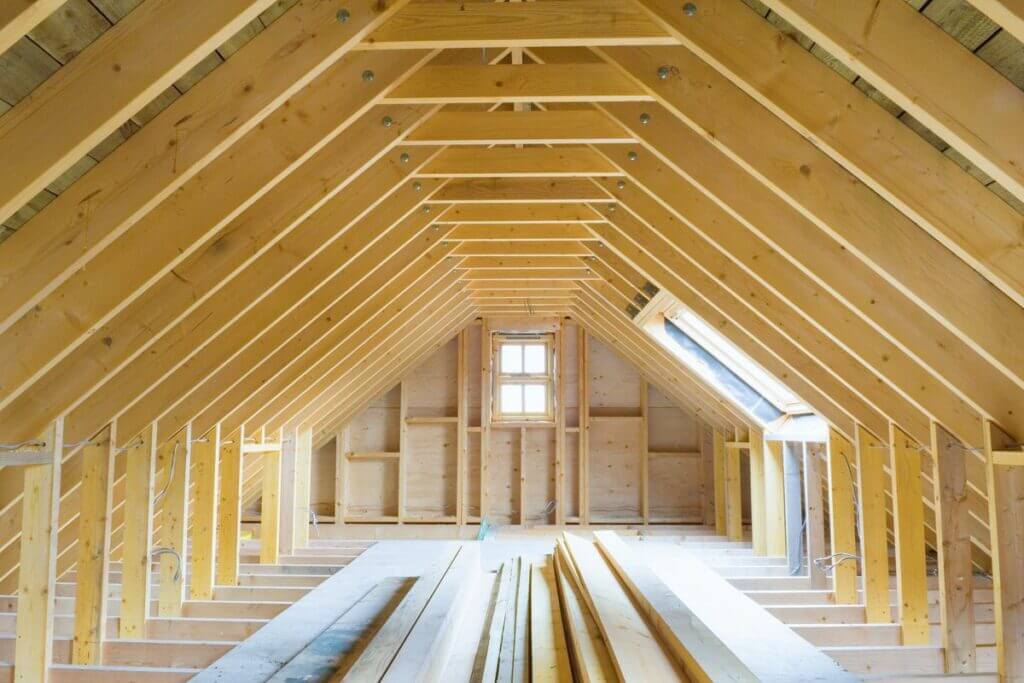
Fiberglass batts are pre-cut panels designed to fit between attic joists and rafters. They’re widely available, affordable, and relatively easy to install for DIYers. However, they must be fitted carefully to avoid gaps, and their performance can be compromised by compression or moisture.
Blown-In (Loose-Fill) Insulation
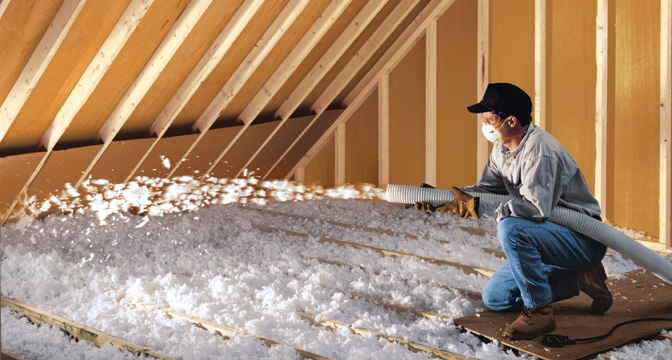
Loose-fill insulation, made from fiberglass or cellulose, is blown into the attic using specialized equipment. This method is ideal for filling irregular spaces and covering existing insulation. Cellulose, made from recycled paper, offers good air-sealing properties and is treated for fire resistance. Blown-in fiberglass is lightweight and resists settling over time.
Spray Foam Insulation
Spray foam is a premium solution that provides both insulation and air sealing in one step. It expands to fill gaps and cracks, creating a highly effective barrier. There are two main types: open-cell (softer, more flexible, higher R-value per inch) and closed-cell (denser, moisture-resistant, also adds structural strength). While spray foam delivers excellent performance, it typically requires professional installation and comes at a higher upfront cost.
Rigid Foam Board
Rigid foam boards are panels made from polystyrene, polyisocyanurate, or polyurethane. They’re often used in combination with other materials or to insulate attic access doors and knee walls. Foam boards offer high R-values and moisture resistance but may require additional fire protection in some applications.
Key Considerations for Attic Insulation Upgrades
Before starting your project, keep these important factors in mind:
- R-Value Requirements: The R-value measures insulation’s resistance to heat flow. Colder climates require higher R-values (R-49 to R-60), while milder regions may need less. Check local building codes for recommendations.
- Air Sealing: Insulation works best when combined with thorough air sealing. Address gaps around pipes, wiring, and attic hatches to prevent drafts and energy loss.
- Ventilation: Proper attic ventilation prevents moisture buildup and helps regulate temperature. Make sure soffit and ridge vents are clear and functioning.
- Existing Conditions: Inspect for water damage, mold, or pest infestations before adding new insulation. Address any issues to avoid trapping problems beneath new materials.
Upgrading insulation is also a good time to evaluate your roof’s condition. If you’re planning a major renovation, resources like the asphalt roof replacement guide can help you coordinate improvements for maximum efficiency.
Professional vs. DIY Installation
Some insulation projects are suitable for handy homeowners, while others are best left to professionals. Fiberglass batts and blown-in insulation can be DIY-friendly if you follow safety guidelines and manufacturer instructions. However, spray foam and large-scale upgrades often require specialized equipment and expertise.
Professional installers can assess your attic, recommend the best materials, and ensure proper coverage and air sealing. They may also identify issues like poor installation roofing issues that could affect your home’s performance.
Signs Your Attic Needs an Insulation Upgrade
How do you know if your attic is underperforming? Watch for these common indicators:
- Uneven temperatures between floors or rooms
- High heating and cooling bills
- Drafts or cold spots in the home
- Ice dams forming on the roof in winter
- Visible gaps, compressed, or deteriorated insulation
- Frequent HVAC cycling or difficulty maintaining set temperatures
If you notice any of these signs, a professional energy audit can pinpoint problem areas and recommend the right attic insulation upgrades for your situation.
Maximizing the Value of Your Insulation Investment
To get the most from your attic improvements, consider these best practices:
- Seal air leaks before adding new insulation
- Maintain proper attic ventilation to prevent moisture issues
- Choose materials with the right R-value for your climate
- Insulate attic access points, such as hatches and pull-down stairs
- Monitor attic conditions periodically for signs of settling or damage
Combining insulation upgrades with roof maintenance can further enhance your home’s efficiency and durability. If you’re experiencing structural concerns, such as roof sagging problems, address these issues alongside your insulation project for a comprehensive solution.
Frequently Asked Questions
How much insulation should my attic have?
The recommended amount varies by climate, but most experts suggest achieving an R-value between R-38 and R-60. Colder regions require higher R-values. Check your local building codes for specific guidance.
Can I add new insulation over old insulation?
In most cases, yes. As long as the existing material is dry, free of mold, and not compressed, you can add new insulation on top. Remove any wet or damaged material before upgrading.
Will attic insulation upgrades help with summer cooling?
Absolutely. Proper insulation slows heat transfer into your living spaces, keeping your home cooler in summer and reducing the workload on your air conditioner.
Is it worth hiring a professional for attic insulation?
While some upgrades can be done by homeowners, hiring a professional ensures optimal coverage, air sealing, and safety. They can also identify underlying issues that may impact performance.