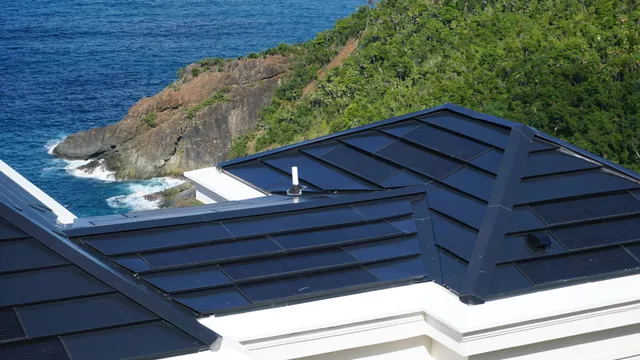
As solar technology becomes more integrated with modern roofing, homeowners and building managers are increasingly focused on getting the most from their investment. Solar roofing performance optimization is about more than just installing panels or shingles—it’s a comprehensive approach to maximizing energy output, system longevity, and return on investment. This guide explores proven strategies, maintenance tips, and key considerations for anyone looking to enhance the efficiency and durability of their solar roof.
Whether you’re planning a new installation or looking to improve an existing system, understanding the factors that influence solar roof effectiveness is essential. From panel orientation and cleaning routines to monitoring systems and roof health, each element plays a role in overall performance. For those considering upgrades, understanding the roof upgrade cost can help you plan your budget and expectations.
Key Factors Affecting Solar Roof Efficiency
Optimizing the output of a solar roof system requires attention to several core factors. Each of these can significantly impact how much energy your system produces and how long it lasts:
- Panel Placement and Orientation: The angle and direction of your solar panels or shingles determine how much sunlight they capture. In most regions, a south-facing orientation with a tilt angle matching the local latitude yields the best results.
- Roof Condition: The underlying structure must be solid and free of issues like leaks or sagging. Problems such as roof sagging problems can compromise both the roof and the solar equipment.
- Shading: Trees, chimneys, or nearby buildings can cast shadows that reduce output. Even partial shading can disproportionately affect performance, especially in string inverter setups.
- System Design: The type of inverter, wiring quality, and panel technology all influence efficiency. Microinverters or power optimizers can help mitigate shading losses.
Maintenance Strategies for Peak Output
Even the most advanced solar roof systems require regular care to maintain optimal performance. Here are practical maintenance steps to keep your system running efficiently:
- Routine Cleaning: Dust, pollen, bird droppings, and debris can block sunlight and reduce efficiency. Cleaning panels or shingles every few months, or after storms, helps maintain peak output.
- Visual Inspections: Check for cracked glass, loose wiring, or mounting issues. Early detection of problems can prevent bigger issues down the line.
- Monitoring System Health: Use a monitoring platform to track daily output. Sudden drops in production may signal a fault or the need for cleaning.
Choosing the Right Solar Roofing Technology
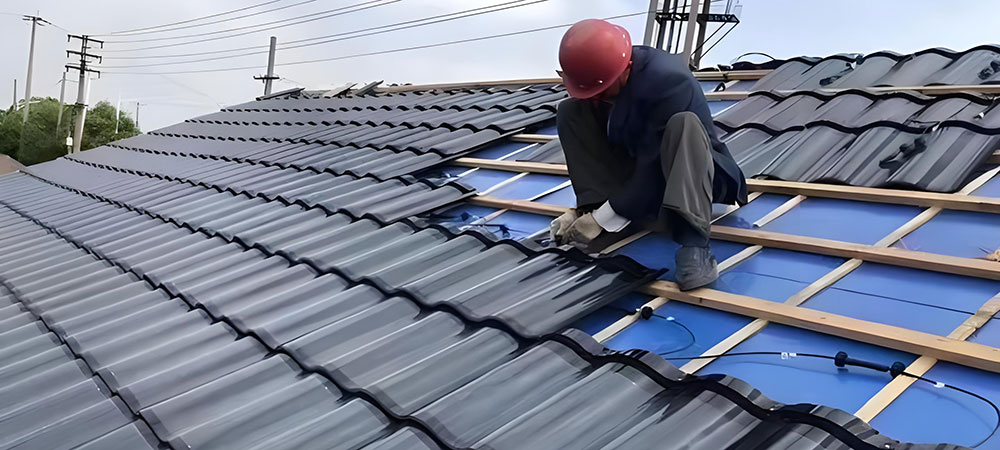
There are two main approaches to solar roofing: traditional panels mounted on top of existing roofs, and integrated solar shingles or tiles. Each has its own set of benefits and considerations for performance optimization:
- Solar Panels: These are typically more efficient and easier to upgrade or replace. They can be angled for maximum sunlight exposure.
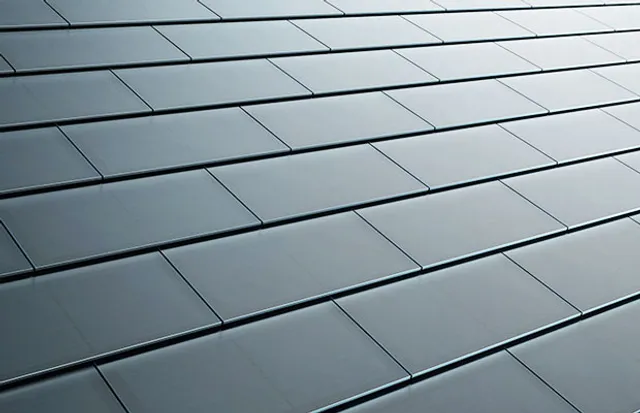
- Solar Shingles/Tiles: These blend seamlessly with the roof for a lower-profile look. While they may have slightly lower efficiency, they offer aesthetic and structural advantages.
For a detailed comparison, see this guide comparing solar roof tiles and solar panels to help you choose the best fit for your needs.
Installation Quality and Its Impact on Performance
The quality of installation is a critical factor in maximizing the output and lifespan of a solar roof. Poor workmanship can lead to leaks, electrical faults, and reduced efficiency. It’s important to:
- Work with certified, experienced installers who follow manufacturer guidelines.
- Request references and review past projects.
- Ensure all electrical connections are secure and weatherproof.
If you suspect issues, our resource on poor installation roofing issues can help you identify and address common problems before they impact your system’s performance.
Monitoring and Upgrading for Long-Term Results
Continuous monitoring and timely upgrades are essential for sustaining high performance over the lifespan of your solar roof. Consider these steps:
- Install a Monitoring System: Real-time data helps you spot inefficiencies and address them quickly.
- Upgrade Inverters: If your inverter is outdated, upgrading to a newer, more efficient model can boost output.
- Replace Aging Panels or Shingles: Over time, solar components degrade. Replacing older units with newer, higher-efficiency models can significantly improve results.
When planning upgrades, it’s also wise to review the asphalt roof replacement guide if your solar system is integrated with traditional roofing materials.
Environmental and Seasonal Considerations
Environmental factors such as local climate, roof pitch, and seasonal changes can all affect solar output. Here’s how to adapt your approach:
- Snow and Ice: In colder climates, snow accumulation can block sunlight. Gently clearing snow from panels or shingles helps maintain production.
- Heat and Humidity: High temperatures can reduce panel efficiency. Adequate ventilation beneath panels and choosing heat-tolerant technologies can mitigate losses.
- Storms and Debris: After severe weather, inspect your system for damage and clear any debris that may have settled on the roof.
Common Mistakes to Avoid
Even with the best intentions, certain missteps can undermine your solar roof’s performance. Avoid these common pitfalls:
- Neglecting regular cleaning and inspections.
- Ignoring small roof issues that can escalate over time.
- Overlooking the impact of shading from new tree growth or nearby construction.
- Failing to monitor system output and address anomalies promptly.
FAQ: Solar Roof Optimization
How often should I clean my solar roof?
For most locations, cleaning every three to six months is sufficient. However, if you live in an area with heavy pollen, dust, or bird activity, more frequent cleaning may be necessary. Always use gentle tools and avoid harsh chemicals to protect the surface.
Can I install solar shingles on an old or damaged roof?
It’s not recommended to install solar shingles or panels on a roof that is nearing the end of its lifespan or has significant damage. Address any underlying issues first. For more details, see our advice on replacing old asphalt roof before considering solar integration.
What is the typical lifespan of a solar roof system?
Most solar panels and shingles are rated for 25–30 years of productive use, though inverters and other components may require replacement sooner. Regular maintenance and prompt repairs can help maximize the system’s lifespan and output.
By focusing on these best practices for solar roofing performance optimization, you can ensure your investment delivers reliable, efficient energy for years to come. Stay proactive with maintenance, monitor your system, and address issues early to enjoy the full benefits of solar technology.