Integrating solar roofing with home batteries is transforming how homeowners generate, store, and use energy. This approach not only helps reduce electricity bills but also increases energy independence and resilience during power outages. As the demand for sustainable living grows, more people are considering this combination for their next roof upgrade or replacement project.
Before diving into the details, it’s important to understand how these systems work together, what benefits they offer, and what to consider when planning your installation. For those comparing options or budgeting for a new roof, you may also want to review the roof upgrade cost to see how solar and battery solutions fit into your overall investment.
How Solar Roofs and Home Batteries Work Together
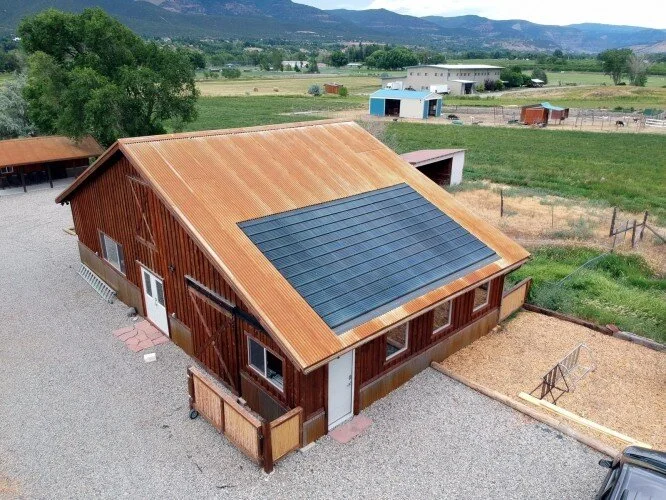
Modern solar roofs use photovoltaic (PV) cells integrated directly into roofing materials, such as shingles or tiles. These cells capture sunlight and convert it into electricity for your home. When paired with a battery storage system, excess energy generated during the day is stored for use at night or during cloudy periods. This synergy allows homeowners to maximize their use of renewable energy and minimize reliance on the grid.
Key components of a typical system include:
- Solar shingles or tiles that replace traditional roofing materials and generate electricity.
- Inverter to convert DC electricity from the panels into usable AC power.
- Battery storage to save surplus energy for later use.
- Energy management system to optimize when and how stored energy is used.
By combining these elements, homeowners can achieve greater control over their energy consumption and costs.
Benefits of Combining Solar Roofing and Battery Storage
There are several compelling reasons to consider integrating solar roofing with battery systems:
- Energy independence: Store your own power and reduce reliance on utility companies.
- Lower electricity bills: Use stored solar energy during peak rate times or at night.
- Backup during outages: Maintain essential power when the grid goes down.
- Environmental impact: Reduce your carbon footprint by using clean, renewable energy.
- Increase home value: Homes with solar and battery systems are often more attractive to buyers.
For a deeper look at the advantages of solar-integrated roofs, see this article on the benefits of installing solar roof tiles.

Choosing the Right Solar Roof and Battery System
Selecting the best combination for your home involves several factors. Here are some key considerations:
- Roof suitability: Not all roofs are ideal for solar integration. The orientation, pitch, and shading can affect performance. If you’re planning a replacement, review the replacing old asphalt roof guide to understand your options.
- System size: The number of solar tiles or shingles and the battery capacity should match your household’s energy needs.
- Local incentives: Many regions offer rebates, tax credits, or net metering programs to offset installation costs.
- Installer experience: Work with certified professionals who have experience with both solar and roofing systems.
- Warranty and maintenance: Check the warranties for both the solar components and the roof materials. Regular cleaning and inspection will help maintain efficiency.
Proper planning ensures your investment delivers long-term value and reliable performance.
Installation Process and What to Expect
The installation of a solar roof with battery storage typically follows these steps:
- Site assessment: A professional evaluates your roof’s condition, orientation, and shading.
- System design: The installer customizes a solution based on your energy needs and roof layout.
- Permitting: Necessary permits are obtained from local authorities.
- Roof preparation: Old roofing may be removed or reinforced as needed. For tips on planning, see the asphalt roof replacement guide.
- Solar and battery installation: Solar shingles or tiles are installed, followed by the inverter and battery system.
- Inspection and activation: The system is inspected and connected to your home’s electrical panel.
Most installations take several days to a week, depending on the size and complexity of the project.
Maintenance Tips for Solar Roofs and Batteries
Keeping your system in top shape is essential for long-term performance. Here are practical tips:
- Inspect your roof and solar tiles regularly for debris, dirt, or damage.
- Use a soft brush or specialized cleaning tool to remove dust and leaves. Avoid abrasive materials that could scratch the surface.
- Monitor your battery health through the system’s app or interface. Address any alerts or performance drops promptly.
- Schedule annual professional inspections to ensure all components are functioning correctly.
- Stay alert for signs of poor installation roofing issues that could affect both your roof and solar system.
Routine care not only extends the life of your investment but also helps maintain optimal energy production.
Is Solar Roofing with Battery Storage Right for You?
This solution is ideal for homeowners who want to reduce their environmental impact, lower utility bills, and gain protection from power outages. However, it’s important to weigh the upfront costs, local climate, and available incentives. Consulting with a qualified installer will help you determine the best approach for your property and energy goals.
Frequently Asked Questions
How much does it cost to install a solar roof with battery storage?
The total cost depends on roof size, system capacity, local labor rates, and available incentives. On average, a full solar roof with battery backup can range from $30,000 to $60,000 before incentives. Reviewing the roof upgrade cost can help you budget more accurately.
How long do solar roofs and home batteries last?
Solar shingles and tiles typically last 25–30 years, while most home batteries are rated for 10–15 years or several thousand charge cycles. Regular maintenance and monitoring can help maximize lifespan.
Can I add battery storage to an existing solar roof?
Yes, many homeowners retrofit battery systems to existing solar installations. Consult your installer to ensure compatibility and proper integration with your current setup.