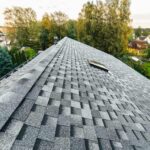
Solar roofing energy storage systems are transforming how homeowners and businesses harness and manage renewable energy. By integrating photovoltaic (PV) technology directly into roofing materials and pairing it with advanced battery storage, these solutions offer a seamless way to generate, store, and use clean electricity. As energy costs rise and sustainability becomes a priority, understanding how these systems work and their benefits is essential for anyone considering a modern roof upgrade.
This guide breaks down the core components, how the technology operates, key advantages, and what to consider before installation. If you’re planning a major renovation or evaluating the roof upgrade cost for your property, learning about solar-integrated options can help you make an informed decision.
What Are Solar Roofing and Battery Storage Solutions?
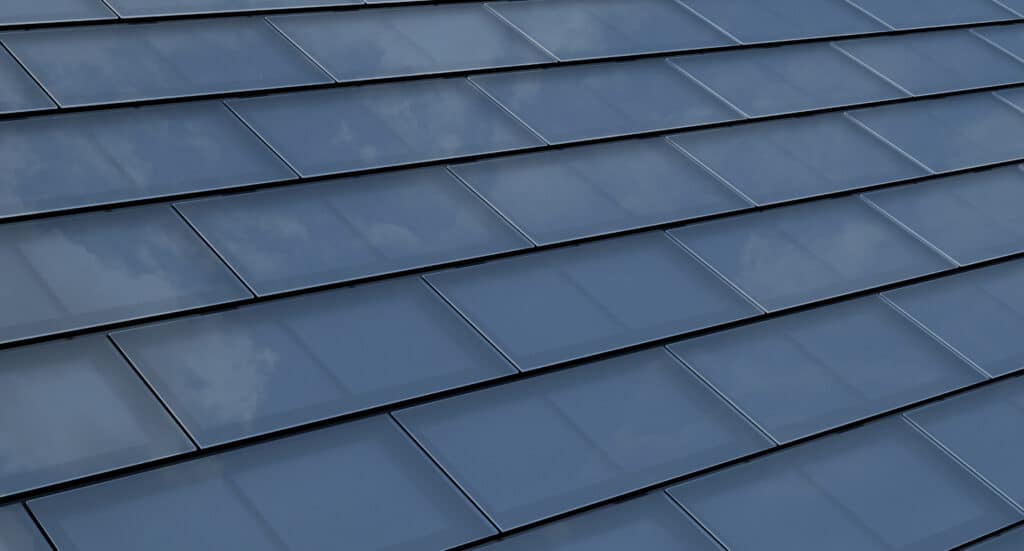
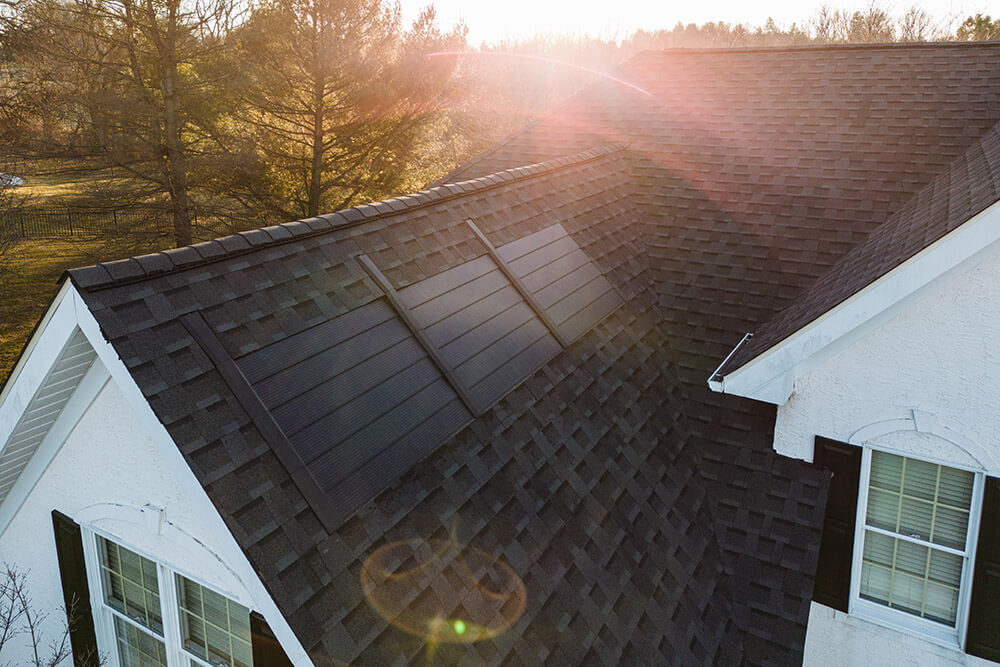
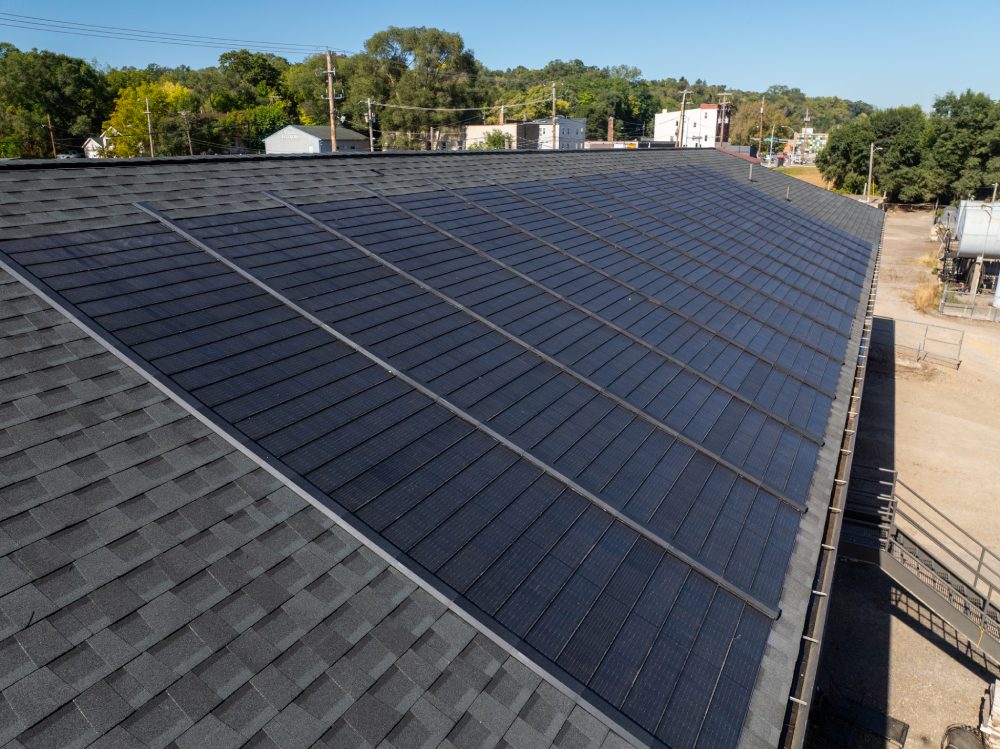
Modern solar roofing combines traditional roofing materials with built-in solar cells, often called solar shingles or tiles. Unlike conventional solar panels mounted on top of a roof, these products are integrated into the roof’s surface, providing both weather protection and energy generation. When paired with a battery storage unit, the system can store excess electricity for use at night or during power outages, maximizing energy independence.
The main components typically include:
- Solar shingles or tiles – Roofing materials embedded with photovoltaic cells.
- Inverter – Converts the direct current (DC) produced by solar cells into alternating current (AC) for home use.
- Battery storage – Stores surplus energy for later use, enhancing self-sufficiency.
- Monitoring system – Tracks production, usage, and battery status in real time.
For those considering a full roof replacement, it’s worth reviewing the replacing old asphalt roof guide to understand how solar-ready materials can fit into your project.
How Solar Roofing Energy Storage Systems Work
The process starts with sunlight hitting the solar shingles or tiles. These embedded photovoltaic cells convert solar energy into electricity. The inverter then changes this electricity from DC to AC, making it compatible with household appliances and the electrical grid.
When your system produces more energy than you use, the excess is stored in the battery. This stored power can be drawn upon during the evening, cloudy days, or grid outages. If your battery is full and you’re still generating surplus energy, some setups allow you to send it back to the grid, potentially earning credits through net metering programs.
Key Benefits of Integrated Solar Roof and Storage Systems
Choosing a roof with built-in solar and battery storage offers several advantages over traditional setups:
- Seamless Aesthetics: Solar shingles blend into the roofline, preserving curb appeal and eliminating bulky panel racks.
- Energy Independence: With on-site storage, you can use your own solar power day and night, reducing reliance on the grid.
- Resilience: Battery backup keeps essential devices running during outages, adding peace of mind for homeowners in storm-prone areas.
- Long-Term Savings: Lower utility bills and potential incentives can offset the initial investment over time.
- Increased Home Value: Properties with advanced energy features are often more attractive to buyers.
If you’re weighing the pros and cons of different roofing options, the asphalt roof replacement guide provides helpful context on installation and material choices.
Types of Solar Roofing and Storage Technologies
There are several approaches to integrating solar and storage into your roof:
- Solar Shingles: These look like standard roofing shingles but contain photovoltaic cells. They are installed in place of regular shingles and offer a low-profile alternative to panels.
- Solar Tiles: Similar to shingles but designed to mimic clay or slate tiles, making them suitable for various architectural styles.
- Modular Battery Systems: Wall-mounted or floor-standing batteries that can be scaled up as your energy needs grow.
- All-in-One Systems: Some manufacturers offer integrated packages that include roofing materials, solar cells, inverters, and batteries for a streamlined installation process.
The right choice depends on your roof type, energy goals, and budget. Consulting with a qualified installer can help you select the best fit for your home.
Considerations Before Installing a Solar Roof With Storage
Before committing to a solar-integrated roof, there are several factors to keep in mind:
- Roof Condition: Your existing roof should be in good shape. If you have issues like leaks or roof sagging problems, address these before installation.
- Sun Exposure: The more direct sunlight your roof receives, the more energy you can generate. Shade from trees or nearby buildings can reduce efficiency.
- Local Incentives: Many regions offer tax credits, rebates, or net metering programs to offset installation costs.
- System Size: Calculate your average energy use to determine the right system size and battery capacity.
- Installer Experience: Choose a reputable contractor with experience in both roofing and solar installations to avoid poor installation roofing issues.
It’s also wise to compare the long-term benefits and costs with traditional roofing options, especially if you’re already planning a replacement.
Maintenance and Longevity
Solar roofing and storage systems are designed for durability, but regular maintenance is key to optimal performance. Most solar shingles and tiles are rated for 25 years or more, with battery systems typically lasting 10–15 years before needing replacement.
Maintenance tips include:
- Keep the roof surface clean and free of debris to maximize sunlight absorption.
- Monitor system performance using the provided app or dashboard.
- Schedule periodic inspections to check for damage or wear.
- Replace batteries as recommended by the manufacturer.
For cleaning, use gentle tools and avoid harsh chemicals to protect the integrity of both the roofing material and the solar cells.
Environmental Impact and Future Trends
Integrated solar and storage systems play a significant role in reducing carbon emissions and reliance on fossil fuels. By generating and storing renewable energy on-site, homeowners can lower their environmental footprint and contribute to a more resilient energy grid.
Emerging trends include improved battery chemistries, smarter energy management systems, and new roofing materials that further boost efficiency. According to recent research on advanced solar roofing solutions, ongoing innovation is making these systems more affordable and accessible for a wider range of properties.
Frequently Asked Questions
How long do solar roofing and battery systems last?
Most solar shingles and tiles are warrantied for 25 years or more, while batteries typically last 10–15 years. Regular maintenance can help maximize their lifespan.
Can I add battery storage to an existing solar roof?
Yes, many battery systems are modular and can be retrofitted to work with existing solar installations. Consult your installer to ensure compatibility.
Are solar-integrated roofs more expensive than traditional roofs?
The upfront cost is generally higher due to the technology involved, but long-term savings on energy bills and potential incentives can offset the initial investment.
Conclusion
Solar roofing combined with energy storage offers a practical, efficient, and visually appealing way to generate and use renewable power at home. By understanding the technology, benefits, and considerations, you can decide if this innovative solution aligns with your energy goals and property needs. As the market evolves, these systems are becoming an increasingly smart investment for those seeking sustainability and energy independence.