Properly insulating and air sealing your roof is one of the most effective ways to improve energy efficiency, comfort, and durability in your home. Many homeowners overlook the importance of addressing both insulation and air leaks, but combining these strategies can significantly lower utility bills, reduce drafts, and prevent moisture-related issues. This article shares practical roof insulation air sealing tips to help you make informed decisions and achieve the best results for your property.
Before diving into the details, it’s worth noting that upgrading your roof’s insulation and sealing can also impact the overall value and longevity of your roofing system. If you’re considering a broader renovation, you may want to explore the roof upgrade cost to understand how these improvements fit into your budget and long-term plans.
Why Air Sealing and Insulation Matter
Many homes lose a significant amount of conditioned air through the attic and roof. Gaps, cracks, and poorly insulated areas allow warm air to escape in winter and hot air to enter during summer. This not only increases heating and cooling costs but also puts extra strain on your HVAC system. By focusing on both air sealing and roof insulation, you can:
- Reduce energy bills by minimizing heat loss and gain
- Enhance indoor comfort by eliminating drafts and temperature fluctuations
- Prevent moisture buildup that can lead to mold and structural damage
- Extend the lifespan of your roof and attic materials
Identifying Problem Areas in Your Attic and Roof
Before starting any project, it’s important to locate the areas where air leaks and insulation gaps are most common. Typical trouble spots include:
- Attic hatches and pull-down stairs
- Plumbing and electrical penetrations
- Chimney chases and flues
- Recessed lighting fixtures
- Wall top plates and soffits
Conducting a thorough inspection, or hiring a professional energy auditor, can help you find hidden leaks and determine where additional insulation is needed.
Best Practices for Air Sealing Your Roof
Effective air sealing is about closing gaps where air can move between the living space and the attic or roof cavity. Here are some essential steps:
- Seal Attic Access Points: Use weatherstripping and insulation board to seal attic doors and hatches tightly.
- Close Gaps Around Penetrations: Apply caulk or expanding foam around pipes, wiring, and ductwork that pass through the attic floor or roof deck.
- Address Chimney and Flue Areas: Install metal flashing and high-temperature caulk to seal gaps around chimneys and flues, ensuring fire safety codes are met.
- Seal Recessed Lighting: Use airtight baffles or covers designed for insulation contact to prevent air leaks around recessed lights.
- Check for Hidden Leaks: Inspect for cracks along wall top plates and soffits, sealing with caulk or foam as needed.
Remember, air sealing should always be completed before adding or upgrading insulation. This ensures that insulation performs at its highest efficiency.
Choosing the Right Insulation for Your Roof
There are several types of insulation suitable for attics and roof cavities. The best choice depends on your climate, budget, and existing construction. Common options include:
- Fiberglass batts: Widely available and easy to install, but must be fitted carefully to avoid gaps.
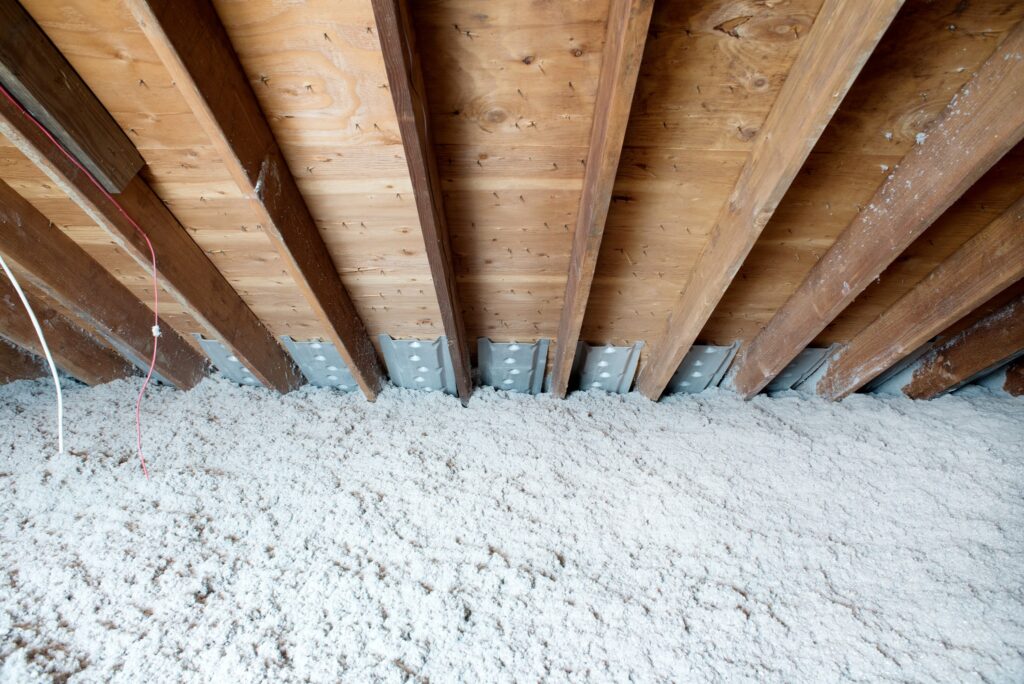
- Blown-in cellulose: Good for filling irregular spaces and adding insulation over existing layers.
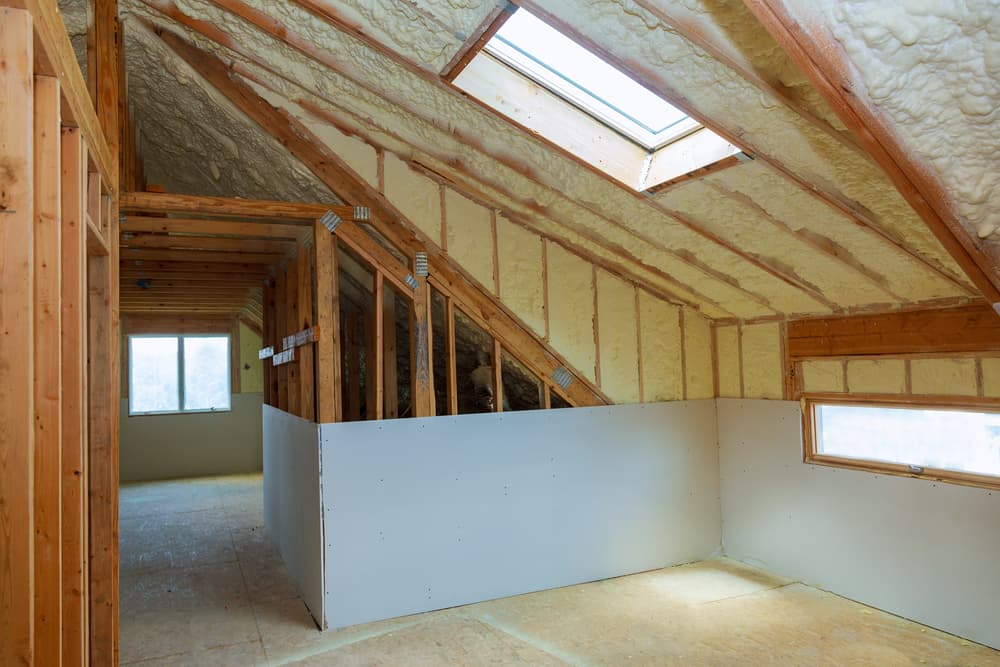
- Spray foam: Provides both insulation and air sealing in one step, ideal for hard-to-reach areas.
- Rigid foam boards: Useful for adding insulation to roof decks or exterior applications.
Whichever material you choose, ensure it achieves the recommended R-value for your region. The R-value measures resistance to heat flow—the higher the number, the better the insulating power.
DIY vs. Professional Installation
Some roof insulation air sealing tips can be tackled by handy homeowners, while others are best left to professionals. Simple tasks like sealing attic hatches or applying caulk around pipes are manageable for most people. However, installing spray foam, working near electrical wiring, or handling large insulation projects may require specialized skills and safety precautions.
Professional contractors can also help identify less obvious problem areas and ensure all work meets local building codes. If you’re unsure about the scope of your project, consider getting a professional assessment before proceeding.
Common Mistakes to Avoid
Even well-intentioned upgrades can fall short if not done correctly. Here are some pitfalls to watch out for:
- Adding insulation without sealing air leaks first
- Blocking attic ventilation, which can lead to moisture problems
- Compressing insulation, which reduces its effectiveness
- Using the wrong type of insulation for your climate or roof design
- Neglecting safety precautions, especially around electrical fixtures and chimneys
Careful planning and attention to detail will help you avoid these issues and maximize the benefits of your investment.
Maintaining Your Insulated and Sealed Roof
Once your attic or roof is properly insulated and sealed, periodic maintenance is key to preserving its performance. Inspect the area annually for signs of moisture, pest activity, or insulation settling. Address any new gaps or damage promptly to maintain energy efficiency and prevent costly repairs down the line.
If you notice sagging, leaks, or other structural issues, it may be time to consult a roofing specialist. For more information on related topics, you can read about roof sagging problems and how to address them before they compromise your insulation efforts.
Frequently Asked Questions
How do I know if my attic needs more insulation or air sealing?
Common signs include uneven temperatures between rooms, high energy bills, visible gaps or cracks in the attic, and drafts coming from the ceiling. A professional energy audit can pinpoint specific areas that need attention.
Can I add new insulation over old insulation?
Yes, as long as the existing insulation is dry and in good condition. Be sure to air seal first, and avoid compressing the old material, as this can reduce its effectiveness.
Is spray foam insulation worth the higher cost?
Spray foam provides both insulation and air sealing, making it highly effective for hard-to-reach areas and irregular spaces. While the upfront cost is higher, it can deliver significant energy savings and improved comfort over time.
By following these roof insulation air sealing tips and maintaining your upgrades, you can enjoy a more comfortable, energy-efficient home for years to come.