Homeowners are increasingly turning to solar roofing and net metering as practical solutions for reducing energy bills and supporting renewable energy. These technologies work together to transform rooftops into power-generating assets, allowing property owners to produce their own electricity and even earn credits for surplus power sent back to the grid. Understanding how these systems function, their benefits, and what to consider before installation can help you make informed decisions about investing in solar energy for your home.
Before diving into the details of photovoltaic systems and energy credits, it’s important to consider how upgrading your roof can impact your solar investment. If you’re planning to replace your shingles or improve your roof’s structure, reviewing the roof upgrade cost can help you budget for both roofing and solar installation at the same time. Combining these projects can maximize efficiency and long-term savings.
What Is Solar Roofing?
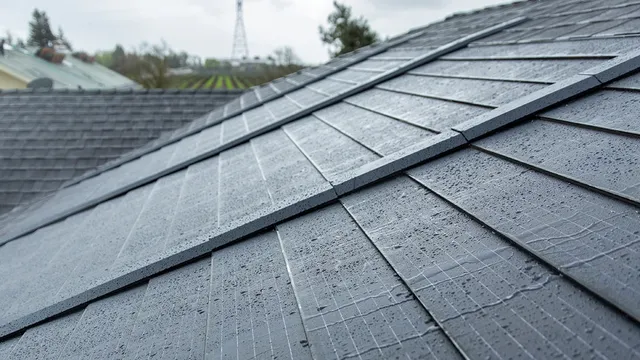
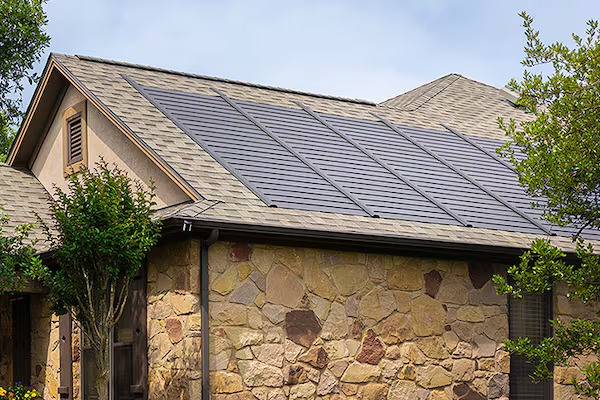
Solar roofing refers to the integration of photovoltaic (PV) technology directly into roofing materials. Unlike traditional solar panels that mount on top of existing shingles, solar shingles or tiles blend seamlessly with the roof’s surface. These innovative products generate electricity from sunlight while serving as a weatherproof barrier for your home.
There are two main types of solar roofing systems:
- Solar shingles or tiles: These are designed to look like conventional roofing materials but contain built-in solar cells.
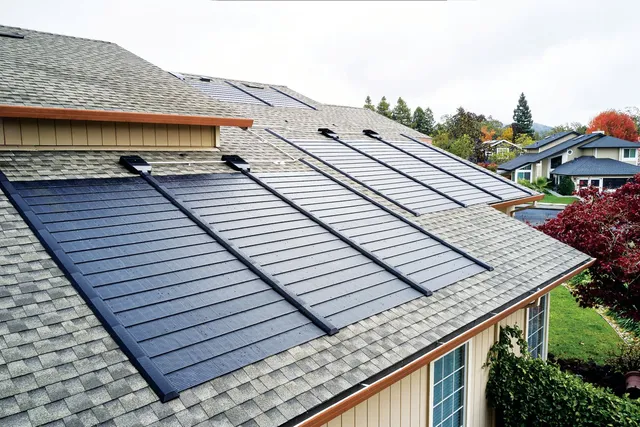
- Rack-mounted solar panels: These are installed above the existing roof and remain the most common option for many homeowners.
Each approach has its own advantages. Solar shingles offer a sleek appearance and can be ideal for new construction or full roof replacements. Rack-mounted panels are often more affordable and easier to upgrade or repair. For a deeper look at the pros and cons of solar shingles, see this comprehensive guide to solar shingle advantages and disadvantages.
How Net Metering Works With Residential Solar
Net metering is a billing arrangement that allows homeowners with solar roofing to receive credits for excess electricity they send to the grid. When your solar system produces more power than your home consumes, the surplus is fed into the utility grid. Your meter runs backward, and you earn credits that offset the cost of electricity you use when your system isn’t generating enough power (such as at night or on cloudy days).
Key features of net metering include:
- Energy credits: For every kilowatt-hour (kWh) of surplus electricity exported, you receive a credit on your utility bill.
- Monthly or annual reconciliation: Unused credits may roll over month-to-month or be reconciled at the end of the year, depending on local policies.
- Grid reliability: You remain connected to the utility grid, ensuring a steady power supply even when your solar system isn’t producing enough energy.
This system makes solar investments more attractive by reducing payback periods and increasing overall savings.
Benefits of Combining Solar Roofing and Net Metering
Pairing solar roofing with a net metering program offers several advantages for homeowners:
- Lower electricity bills: By generating your own power and earning credits for surplus energy, you can significantly reduce or even eliminate your monthly utility costs.
- Environmental impact: Solar energy is clean and renewable, helping to reduce your carbon footprint and reliance on fossil fuels.
- Increased property value: Homes with solar installations often command higher resale prices and attract eco-conscious buyers.
- Energy independence: Producing your own electricity lessens your dependence on utility companies and shields you from rising energy prices.
These benefits make solar roofing and net metering an appealing option for those looking to invest in sustainable home improvements.
Key Considerations Before Installing Solar Roofing
Before moving forward with a solar installation, consider the following factors to ensure the best results:
- Roof condition: Your roof should be in good shape and have a lifespan that matches or exceeds the expected life of your solar system. If your roof is aging or damaged, review the replacing old asphalt roof guide to determine if a replacement is needed first.
- Orientation and shading: South-facing roofs with minimal shading are ideal for solar energy production. Trees, chimneys, or nearby buildings can reduce output.
- Local regulations: Net metering policies and incentives vary by state and utility provider. Check with your local utility and government agencies to understand available programs and requirements.
- System size: The size of your solar array should match your household’s energy needs and available roof space. Oversizing can lead to wasted credits, while undersizing may not provide enough savings.
Installation Process and Maintenance
The process of adding solar roofing typically involves several steps:
- Site assessment: A professional evaluates your roof’s condition, orientation, and shading to determine suitability.
- Design and permitting: The installer designs a system tailored to your needs and obtains necessary permits.
- Installation: Solar shingles or panels are installed, and electrical connections are made to your home’s system and the utility grid.
- Inspection and activation: Local authorities inspect the installation, and the utility company approves grid connection and net metering enrollment.
Maintenance for solar roofing is generally minimal. Periodic cleaning and inspections help ensure optimal performance. For tips on keeping your roof in top shape, see the asphalt roof replacement guide.
Potential Challenges and How to Address Them
While the advantages are significant, there are some challenges to be aware of when pursuing a solar roofing project with net metering:
- Upfront costs: The initial investment can be substantial, especially for integrated solar shingles. However, federal and state incentives, as well as financing options, can help offset these costs.
- Policy changes: Net metering rules are subject to change, which can impact the value of your credits. Stay informed about local regulations and utility policies.
- Installation quality: Poor workmanship can lead to leaks or reduced system performance. It’s important to choose a reputable installer and be aware of poor installation roofing issues that could affect your investment.
- Roof compatibility: Not all roofing materials or structures are suitable for solar installations. Consult with professionals to assess your specific situation.
Frequently Asked Questions
How much can I save with solar roofing and net metering?
Savings depend on your energy usage, system size, local electricity rates, and net metering policies. Many homeowners see reductions of 50% or more on their electricity bills, with some achieving net-zero energy costs over the course of a year.
Will solar panels damage my roof?
When installed correctly by professionals, solar panels or shingles should not damage your roof. In fact, they can add a layer of protection against the elements. It’s crucial to ensure your roof is in good condition before installation and to work with experienced contractors.
What happens if I produce more energy than I use?
Excess energy is sent to the grid, and you receive credits through net metering. These credits can be used to offset future electricity use. In some regions, unused credits may expire or be reconciled annually, so it’s important to understand your utility’s specific policies.
How do I know if my roof is suitable for solar?
Factors such as roof age, orientation, shading, and available space all play a role. A professional assessment can determine if your roof is a good candidate for solar installation. If your roof is sagging or structurally compromised, review the roof sagging problems resource before proceeding.
Conclusion
Investing in solar roofing and leveraging net metering can provide long-term financial and environmental benefits. By understanding how these systems work, evaluating your property’s suitability, and staying informed about local policies, you can make the most of your renewable energy investment. Whether you’re upgrading your roof or planning a new installation, taking a strategic approach will help you maximize savings and contribute to a more sustainable future.