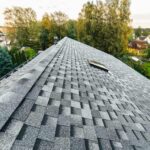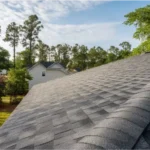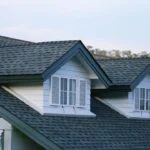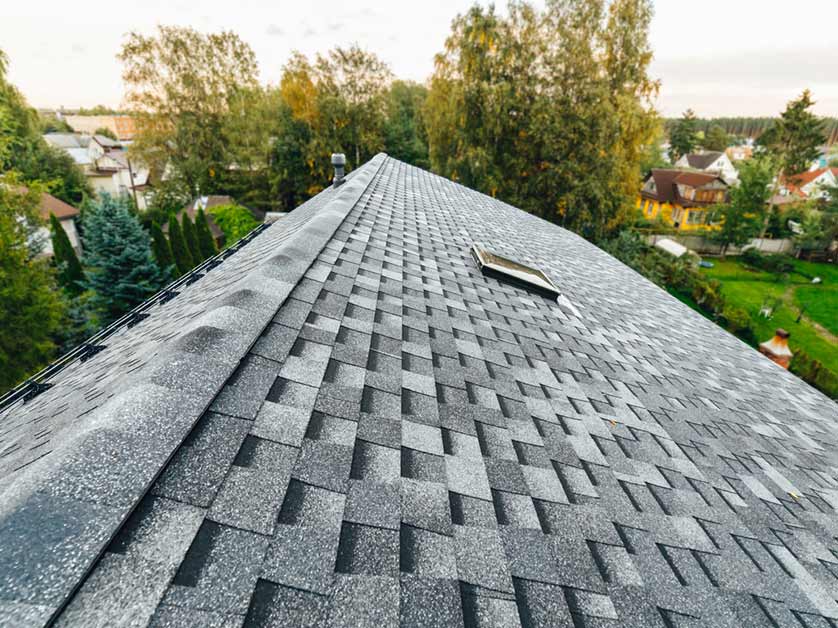
Asphalt shingles have long been one of the most popular roofing materials for residential homes in North America. Homeowners and contractors often recommend them for their affordability, ease of installation, and broad range of styles. But when considering a new roof or a replacement, many people ask: is asphalt roofing good for long-term protection, value, and curb appeal?
This article provides a balanced look at the strengths and weaknesses of asphalt shingle roofs, breaking down their performance, cost, and suitability for different climates and home types. We’ll also compare asphalt options to other roofing materials, discuss maintenance needs, and help you decide if this roofing solution fits your priorities.
For homeowners interested in the latest shingle options, learning about the best type of asphalt shingles for your home and climate can help you make a more informed decision.
Understanding Asphalt Shingle Roofing
Asphalt shingles are composed of a base mat (either organic or fiberglass), coated with asphalt for waterproofing, and topped with ceramic granules for UV protection and color. There are several types of asphalt shingles, including 3 tab asphalt shingles, architectural (dimensional) shingles, and premium designer shingles. Each type offers different levels of durability, appearance, and price.
According to this detailed overview of asphalt shingle roofs, the material’s popularity comes from its balance of cost, performance, and versatility. Asphalt shingles are suitable for most residential roof pitches and are available in a wide range of colors and textures to match various architectural styles.
Key Advantages of Asphalt Shingles
There are several reasons why so many homeowners choose asphalt for their roofing projects. Here are some of the main benefits:
- Affordability: Asphalt shingles are generally less expensive than metal, tile, or slate roofing, both in terms of material and installation costs.
- Ease of Installation: Most roofing contractors are experienced with asphalt shingles, making installation fast and straightforward. This can reduce labor costs and project timelines.
- Variety: With a wide selection of colors, shapes, and textures, asphalt shingles can complement almost any home design.
- Repairability: Damaged shingles can often be replaced individually, making maintenance and repairs more manageable and cost-effective.
- Decent Lifespan: While not as long-lasting as some premium materials, quality asphalt shingles can last 20–30 years with proper care.
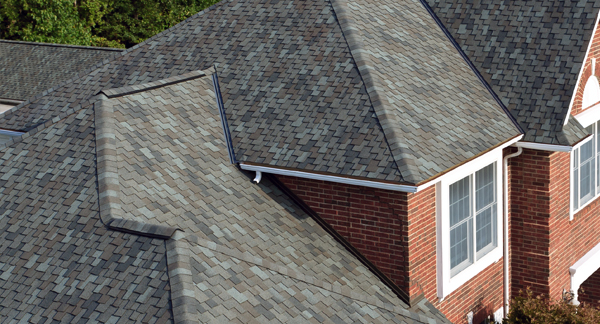
Potential Drawbacks to Consider
Despite their many advantages, asphalt shingles are not perfect for every situation. Here are some limitations to keep in mind:
- Shorter Lifespan: Compared to metal, clay, or slate, asphalt shingles generally have a shorter service life.
- Vulnerability to Weather: Severe hail, wind, or rapid temperature changes can damage or dislodge shingles. In very hot climates, asphalt may degrade faster.
- Environmental Impact: Asphalt shingles are petroleum-based and not easily recyclable. Old shingles often end up in landfills.
- Algae and Moss Growth: In humid or shaded areas, shingles can develop algae stains or moss, which may require cleaning or special treatments.
For those concerned about durability, fiberglass shingles offer improved fire resistance and longevity compared to older organic-based options.
Performance Factors: Is Asphalt Roofing Good for Your Climate?
One of the most important considerations is how well asphalt shingles perform in your local weather conditions. In moderate climates, they provide reliable protection and require minimal maintenance. However, in regions with frequent hail, high winds, or extreme heat, you may need to choose higher-grade shingles or consider alternative materials.
Architectural and premium shingles typically offer better wind and impact resistance than basic 3-tab varieties. Some products are rated for winds up to 130 mph and have enhanced warranties. If you live in an area prone to storms, investing in these upgraded options can improve your roof’s resilience.
It’s also wise to watch for roof aging signs such as curling, cracking, or missing granules, which can indicate it’s time for repairs or replacement.
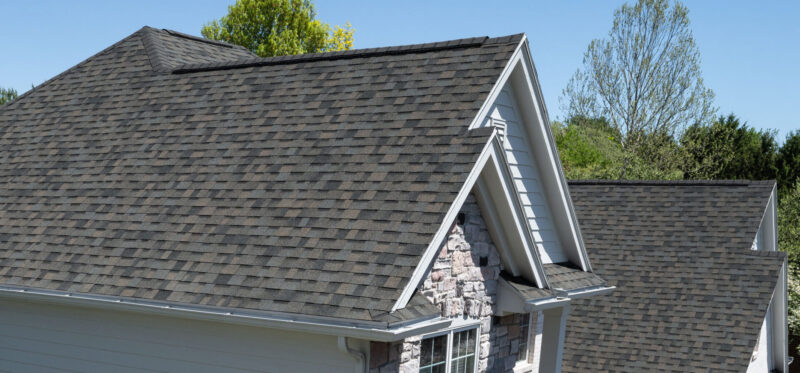
Cost Comparison: Asphalt Shingles vs. Other Roofing Materials
One of the biggest reasons asphalt shingles remain popular is their cost-effectiveness. Here’s how they compare to other common roofing materials:
| Material | Average Cost per Sq. Ft. | Typical Lifespan | Maintenance |
|---|---|---|---|
| Asphalt Shingles | $3 – $6 | 15–30 years | Low to Moderate |
| Metal Roofing | $7 – $14 | 40–70 years | Low |
| Clay/Concrete Tile | $10 – $20 | 50+ years | Low to Moderate |
| Slate | $15 – $30 | 75–100+ years | Low |
Asphalt shingles offer a budget-friendly solution for most homeowners, especially those who plan to move within 20–30 years. For those seeking a balance between cost and performance, architectural shingles provide a good middle ground.
Types of Asphalt Shingles and Their Features
There are several varieties of asphalt shingles, each with unique characteristics:
- 3-Tab Shingles: The most basic and affordable option, featuring a flat, uniform appearance. They are lightweight but have a shorter lifespan.
- Architectural (Dimensional) Shingles: Thicker and more durable, these shingles have a layered look that mimics wood or slate. They offer better wind and weather resistance.
- Premium/Designer Shingles: High-end products with unique shapes, colors, and enhanced durability. These are ideal for homeowners seeking maximum curb appeal.
For a deeper dive into the differences, see our guide on organic asphalt shingles and their pros and cons.
Maintenance Tips for Asphalt Shingle Roofs
Proper care can extend the life of your asphalt roof and maintain its appearance. Here are a few essential maintenance tips:
- Inspect your roof at least twice a year and after major storms for damaged, loose, or missing shingles.
- Keep gutters clean to prevent water backup and ice dams.
- Trim overhanging tree branches to reduce debris and shade, which can promote moss growth.
- Address algae or moss promptly with appropriate cleaners or zinc strips.
- Seal minor cracks or leaks with a quality roof sealant.
Regular maintenance not only preserves your roof’s integrity but also helps you spot issues before they become costly repairs.
FAQ: Common Questions About Asphalt Shingle Roofing
How long do asphalt shingles typically last?
Standard 3-tab shingles last around 15–20 years, while architectural and premium shingles can last 25–30 years or more with proper installation and maintenance.
Are asphalt shingles suitable for all climates?
They perform well in most moderate climates. In areas with extreme heat, frequent hail, or high winds, it’s best to choose higher-grade shingles or consider alternative materials for greater durability.
Can you install new shingles over old ones?
In some cases, yes—if the existing roof is in good condition and local building codes allow it. However, a full tear-off is usually recommended for best results and warranty coverage.
What are the signs that my asphalt roof needs replacement?
Look for curling, cracked, or missing shingles, granule loss, leaks, and visible sagging. For more details, see our article on roof aging signs.
Are there eco-friendly asphalt shingle options?
Some manufacturers offer shingles with recycled content or reflective coatings for improved energy efficiency, but recycling old shingles remains limited.
Conclusion: Is Asphalt Roofing the Right Choice?
Asphalt shingles remain a practical and cost-effective roofing solution for many homeowners. They offer a strong balance of affordability, style, and ease of installation, making them a top choice for residential properties. While they may not last as long as premium materials, advances in manufacturing have improved their durability and weather resistance.
If you’re looking for a reliable, budget-friendly roof and are prepared for periodic maintenance, asphalt shingles are a solid option. For those seeking more information on specific products or installation tips, explore our resources on the best type of asphalt shingles and fiberglass shingles for modern homes.