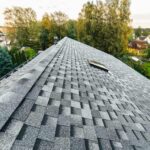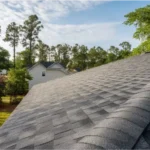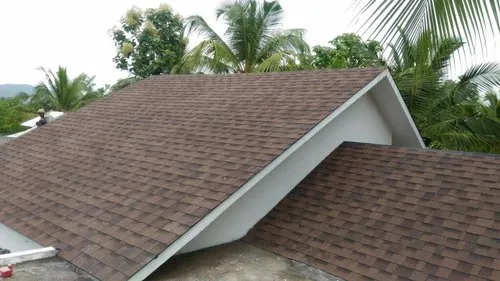
Missing or damaged shingle tabs are a common issue for homeowners with asphalt roofs. Left unaddressed, these gaps can lead to leaks, water damage, and even structural problems. Fortunately, roof shingle replacement repair is a manageable task for many DIYers and a routine job for professional roofers. This guide covers practical steps for identifying, repairing, and preventing missing shingle tabs, helping you extend the life of your roof and protect your home from the elements.
Before diving into repair techniques, it’s important to understand the causes and risks associated with missing tabs. Wind, hail, improper installation, and aging materials can all contribute to shingle loss. If you’re considering a more extensive upgrade, you might also want to review the roof upgrade cost to weigh your options for long-term performance and value.
Why Do Shingle Tabs Go Missing?
Understanding the root causes of missing tabs is the first step in effective roof shingle replacement repair. The most frequent reasons include:
- High winds: Strong gusts can lift and tear away loose or aging shingles.
- Poor installation: If shingles were not nailed or sealed correctly, they are more likely to detach.
- Weathering and age: Over time, exposure to sun, rain, and temperature changes can make shingles brittle and prone to breaking.
- Physical damage: Falling branches, hail, or foot traffic can crack or dislodge tabs.
Spotting these issues early can help you avoid more costly repairs down the line. If you notice granule loss, curling, or exposed nails, it’s time to inspect your roof more closely.
How to Identify Missing or Damaged Shingle Tabs
Regular inspections are key to maintaining your roof’s integrity. Here’s how to check for missing tabs and related problems:
- Walk around your home and look for visible gaps, uneven lines, or color changes on the roof surface.
- Check your yard for fallen shingle pieces after storms.
- Look for water stains or damp spots in your attic or on ceilings, which may indicate a leak from a missing tab.
- Use binoculars to safely scan your roof from the ground, or hire a professional for a thorough inspection.
If you find more than a few missing tabs or widespread damage, you may want to consult an expert or consider a full replacing old asphalt roof project for better long-term protection.

Step-by-Step Guide to Roof Shingle Replacement Repair
Replacing missing or damaged shingle tabs is a straightforward process if you have the right tools and materials. Here’s how to handle basic repairs:
-
Gather your supplies:
- Replacement shingles (matching your current roof)
- Roofing nails and hammer
- Flat pry bar
- Roofing sealant or adhesive
- Utility knife
- Safety gear (gloves, shoes with good grip, ladder)
-
Remove the damaged shingle:
- Carefully lift the shingle above the missing tab with the pry bar to expose the nails.
- Remove the nails and slide out the damaged piece.
-
Install the new shingle:
- Cut the replacement to size if needed.
- Slide it into place, aligning with the existing pattern.
- Secure with roofing nails under the upper shingle tabs.
-
Seal the repair:
- Apply roofing sealant under the tabs to prevent wind uplift and leaks.
- Press down firmly to ensure a tight seal.
For more detailed planning, the asphalt roof replacement guide offers in-depth advice on choosing materials and installation best practices.
Tips for Preventing Future Shingle Loss
After completing your roof shingle replacement repair, take steps to minimize future issues:
- Schedule annual roof inspections, especially after severe weather.
- Keep gutters clean to prevent water backup and ice dams.
- Trim overhanging branches that could damage shingles in a storm.
- Address signs of poor installation early. If you suspect workmanship issues, review the poor installation roofing issues guide for warning signs.
- Choose high-quality shingles with strong wind and impact ratings for replacements.
Staying proactive with maintenance can help you avoid leaks, mold, and costly structural repairs.
When to Call a Professional Roofer
While many homeowners can handle small repairs, some situations call for expert help:
- Widespread shingle loss or damage over a large area
- Leaks that persist after patching
- Signs of rot, sagging, or structural issues
- Steep or high roofs where safety is a concern
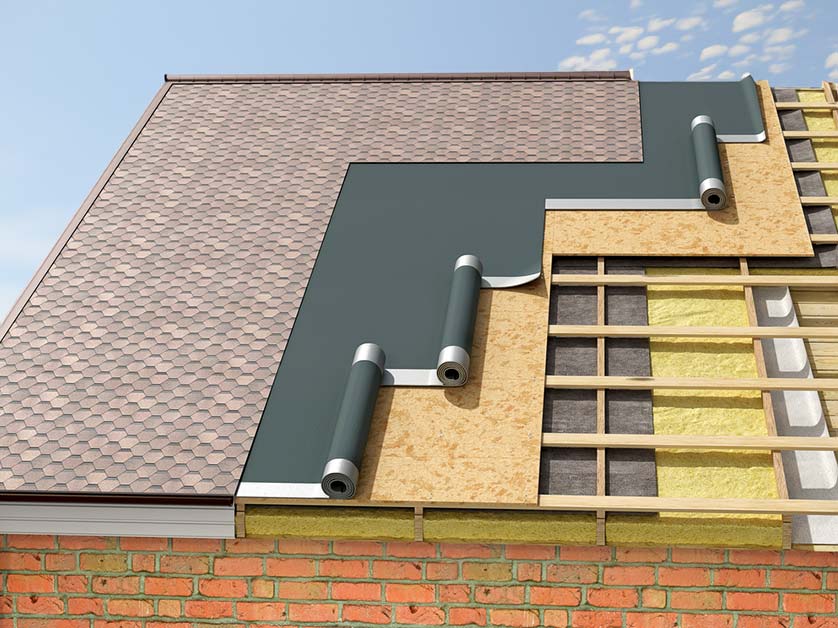
Professional roofers have the tools and experience to assess underlying problems and ensure repairs meet warranty and code requirements. For more information on the types and advantages of asphalt shingles, see this comprehensive guide to asphalt shingle roofing.
Maintaining Your Roof After Repairs
After completing a roof shingle replacement repair, ongoing maintenance is essential. Here are a few best practices:
- Inspect your roof after major storms for new damage.
- Reapply sealant to vulnerable areas as needed.
- Monitor your attic for signs of moisture or mold.
- Plan for eventual full replacement if your roof is nearing the end of its service life.
Keeping up with these tasks will help you maximize your investment and avoid unexpected surprises.
Frequently Asked Questions
How do I match replacement shingles to my existing roof?
Bring a sample of your current shingle to a local supplier or home improvement store. Matching color and style is important for both appearance and performance. If your shingles are discontinued, consider replacing a larger section or consulting a professional for the best match.
Can I repair just one missing tab, or do I need to replace the whole shingle?
If only a single tab is missing and the rest of the shingle is in good condition, you can use a patch or adhesive for a temporary fix. However, replacing the entire shingle is more durable and recommended for long-term protection.
What are the signs that my roof needs more than just spot repairs?
Multiple missing tabs, curling or brittle shingles, frequent leaks, or visible sagging are signs your roof may need more extensive work. In these cases, a full replacement or professional assessment is the safest option.
How often should I inspect my roof for missing tabs?
Inspect your roof at least once a year and after any major storm. Early detection of missing or damaged shingles can prevent leaks and more costly repairs.
Is it safe to walk on my roof to perform repairs?
Only attempt repairs if you are comfortable with heights and have the proper safety equipment. Avoid walking on steep or wet roofs, and consider hiring a professional for challenging jobs.