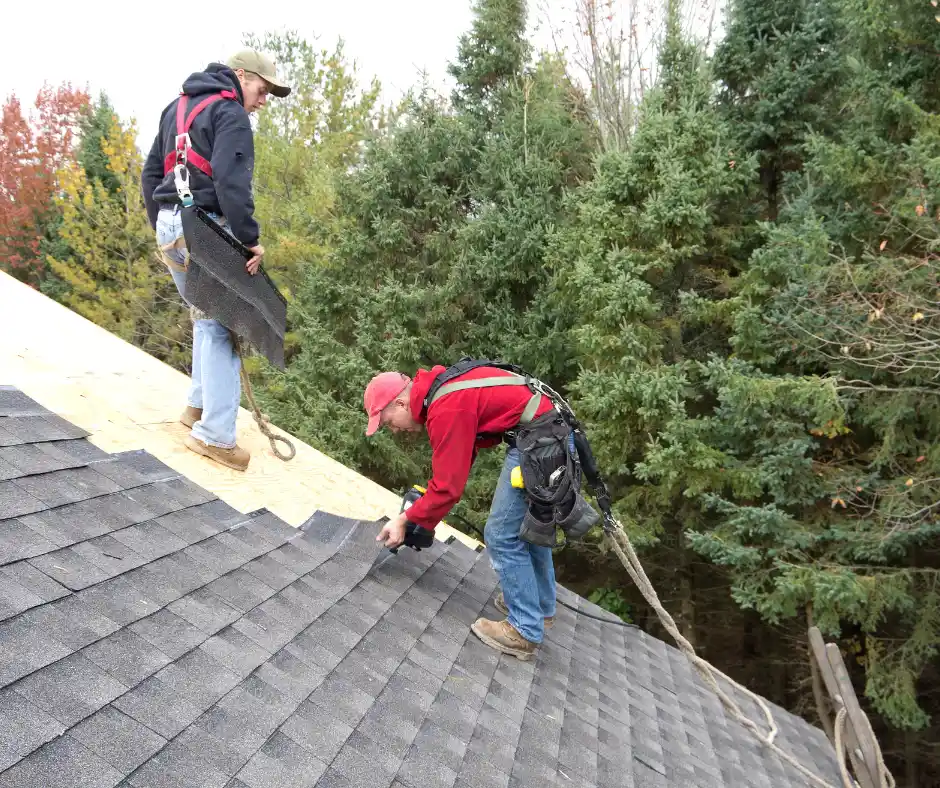
When water starts dripping from your ceiling or you notice unsightly stains on your walls, the culprit is often a problem with your roof. Roof shingle leaks are among the most common causes of water damage in homes, especially in areas exposed to heavy rain, snow, or wind. Understanding why these leaks happen and how to address them quickly can save you from expensive repairs and protect your home’s structure.
This guide will break down the typical reasons shingles fail, how to spot trouble early, and the most effective ways to fix leaks fast. If you live in a region with harsh weather, you may also want to check out our extreme weather roofing guide for tips on choosing the toughest shingles for your climate.
Why Shingles Leak: Key Causes Explained
There are several reasons why shingles might let water through. Some issues are due to age, while others stem from poor installation or severe weather. Here are the most frequent causes:
- Damaged or Missing Shingles: High winds, hail, or falling branches can crack, break, or blow shingles off your roof, leaving gaps for water to enter.
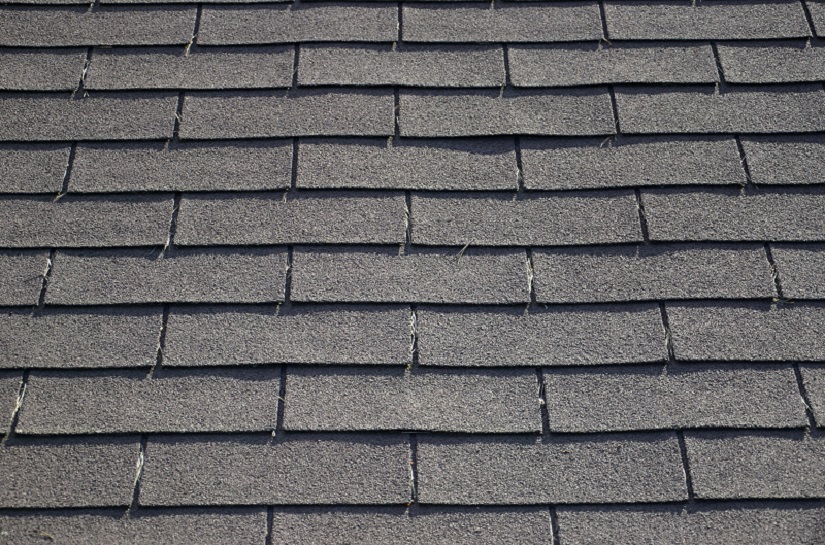
- Worn-Out Materials: Over time, asphalt shingles lose their protective granules and become brittle, making them less effective at repelling water. For more information on the material itself, see this detailed overview of asphalt shingles.
- Poor Installation: If shingles are not properly nailed down or overlapped, water can seep underneath, especially during storms.
- Improper Flashing: Flashing is the metal or rubber barrier installed around chimneys, vents, and valleys. If flashing is loose, corroded, or missing, leaks are almost guaranteed.
- Clogged Gutters: When gutters are blocked, water backs up and can seep under the edge of your shingles, causing leaks along the eaves.
- Ice Dams: In cold climates, ice dams form at the roof edge and force melting snow to flow under the shingles, leading to leaks inside the attic or walls.
Recognizing these issues early is key to preventing further damage. Routine inspections, especially after storms, can help you catch problems before they escalate.
Spotting the Signs of a Leaky Roof
Early detection is crucial for minimizing water damage. Here are some common signs that your shingles may be compromised:
- Water stains on ceilings or walls, often yellowish or brownish in color
- Dripping water or dampness in the attic after rain
- Visible daylight through the roof boards in your attic
- Curled, cracked, or missing shingles visible from the ground
- Moss or algae growth on the roof surface, which can trap moisture
- Peeling paint or bubbling wallpaper inside the house
If you notice any of these warning signs, it’s important to act quickly to prevent further deterioration of your roof and interior.
Quick Fixes for Roof Shingle Leaks
If you discover a leak, immediate action can help reduce water damage until a permanent repair is made. Here are some steps you can take:
- Locate the Source: Trace the water path in your attic or ceiling to find the entry point. Sometimes, water travels along rafters before dripping down.
- Temporary Patch: Use roofing cement or a waterproof sealant to cover small cracks or holes. For larger gaps, a piece of sheet metal or a shingle patch can be secured temporarily.
- Replace Damaged Shingles: If you have spare shingles, carefully remove the broken ones and slide new ones into place, securing them with roofing nails and sealant.
- Clear Gutters and Downspouts: Remove debris to ensure water flows off the roof and away from your home’s foundation.
- Address Flashing Issues: Reseal or replace flashing around chimneys, vents, and valleys if you spot cracks or gaps.
These steps can buy you time, but a thorough repair or replacement is often needed for long-term protection.
Permanent Solutions for Lasting Protection
While quick fixes help in emergencies, addressing the root cause is essential for preventing future leaks. Here’s how to ensure your roof stays watertight:
- Professional Inspection: Have a licensed roofer assess the damage and recommend repairs. They can spot issues you might miss from the ground.
- Upgrade Materials: Consider using waterproof asphalt shingles or other advanced materials designed for wet environments.
- Install Ice and Water Shield: In cold climates, an extra membrane under the shingles helps prevent leaks from ice dams.
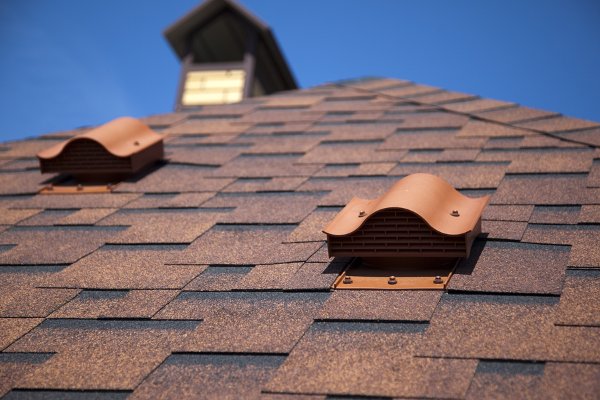
- Improve Attic Ventilation: Proper airflow reduces moisture buildup and extends the life of your shingles.
- Regular Maintenance: Schedule annual roof inspections and keep gutters clean to catch problems early.
Investing in quality materials and professional installation can save you money in the long run by reducing the risk of repeat leaks and structural damage.
How to Prevent Shingle Leaks in the Future
Prevention is always better than cure. Here are some practical steps to keep your roof in top shape and avoid leaks:
- Inspect After Storms: Check for missing or damaged shingles and repair them promptly.
- Trim Overhanging Branches: Prevent branches from scraping or falling onto your roof during storms.
- Upgrade to Weather-Resistant Shingles: If you live in a region with snow or high winds, consider snow resistant roof shingles or products rated for wind resistance.
- Maintain Attic Insulation: Proper insulation helps prevent ice dams and reduces moisture buildup.
- Schedule Regular Maintenance: Have a professional inspect your roof at least once a year, especially before and after winter.
By staying proactive, you can extend the life of your roof and reduce the risk of unexpected leaks.
FAQ: Roof Shingle Leaks and Repairs
What should I do first if I notice a leak in my ceiling?
Start by containing the water to prevent further interior damage. Place a bucket under the drip, move valuables away, and try to locate the source in your attic. Then, use a temporary patch or sealant until a professional can assess the situation.
How long do asphalt shingles typically last before they start leaking?
Most asphalt shingles last 15–30 years, depending on quality, installation, and weather exposure. Regular inspections and maintenance can help you catch issues before leaks develop.
Can I repair a shingle leak myself, or should I call a roofer?
Small repairs, like replacing a few shingles or applying sealant, can be done by handy homeowners. However, for major leaks, structural damage, or if you’re unsure of the cause, it’s best to call a licensed roofer for a thorough inspection and repair.
Are there shingles designed specifically to prevent leaks?
Yes, there are advanced products like waterproof asphalt shingles that offer enhanced protection in wet climates. Look for shingles with strong warranties and ratings for your local weather conditions.
For more information on choosing the right materials for your climate, see our guides on asphalt shingles wind resistance and cold weather roofing shingles.