As solar technology advances, more homeowners are considering integrating photovoltaic systems directly into their roofs. Connecting a solar roof to the utility grid is a critical step for those looking to maximize energy efficiency, reduce electricity bills, and potentially earn credits through net metering. This article provides a clear, step-by-step overview of how the process works, what to expect, and key considerations for a safe and effective installation.
Whether you’re planning a new build or upgrading an existing home, understanding the essentials of a solar roofing grid connection will help you make informed decisions. From technical requirements to regulatory compliance and ongoing maintenance, this guide covers the most important aspects to ensure your solar roof operates reliably and efficiently.
Before moving forward, it’s important to consider factors like solar roofing weight considerations and local building codes. These elements can influence both the installation process and the long-term performance of your solar roof.
Understanding How Solar Roofs Connect to the Grid
A solar roofing grid connection involves linking your roof-integrated solar panels or shingles to your home’s electrical system and, ultimately, to the utility grid. This setup allows you to use solar-generated electricity in your home, send excess power back to the grid, and draw from the grid when your system isn’t producing enough energy.
- Solar modules (panels or shingles) capture sunlight and convert it into DC electricity.
- An inverter transforms DC into AC electricity, which is compatible with household appliances and the utility grid.
- A bi-directional meter tracks both the electricity you consume from the grid and the surplus you export.
- Proper wiring and safety disconnects ensure the system operates safely and can be isolated for maintenance or emergencies.
The process requires careful planning and compliance with local utility requirements to ensure a smooth and legal connection.
Key Steps in the Grid Connection Process
Connecting a solar roof to the grid involves several distinct phases. Each step is essential for ensuring safety, efficiency, and regulatory compliance.
- Site Assessment and System Design: A professional evaluates your roof’s structure, orientation, and shading to determine the optimal layout for your solar modules. They’ll also consider building codes and electrical requirements.
- Permitting and Utility Approval: Before installation, you’ll need permits from your local authority and approval from your utility provider. This step ensures your system meets safety standards and grid compatibility.
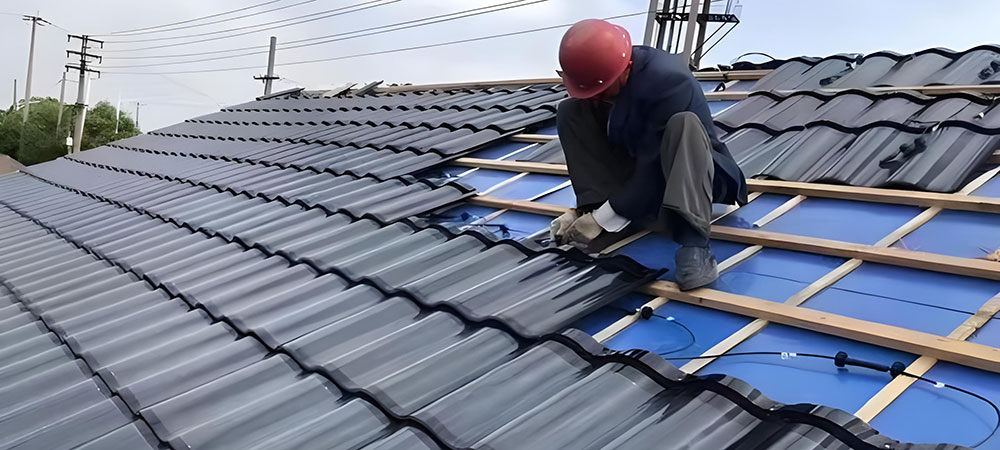
- Installation: Certified installers mount the solar modules, run wiring, and connect the inverter. Proper installation is crucial for system longevity and safety.
- Inspection and Commissioning: After installation, an inspector verifies that the system complies with all codes and regulations. Once approved, the utility company authorizes the grid connection.
- Activation and Monitoring: Your system is switched on and begins generating electricity. Many setups include monitoring tools to track performance and energy flow.
Each of these steps may vary slightly depending on your location, the type of solar roofing product, and utility company requirements.
Equipment Needed for a Reliable Solar Grid Connection
Ensuring a safe and effective link between your solar roof and the grid requires several specialized components. Here’s a summary of the most important equipment:
- Solar Modules: These can be traditional panels or integrated shingles/tiles, each with unique installation and wiring requirements.
- Inverter: Converts DC electricity from your modules into AC power. Options include string inverters, microinverters, and power optimizers, each with pros and cons for different roof types.
- Mounting and Wiring: Secure mounting hardware and weatherproof wiring are essential for both performance and safety.
- Disconnect Switches: Required by code for emergency shutoff and maintenance.
- Bi-directional Meter: Tracks energy import and export for net metering and billing.
- Monitoring System: Allows you to track your system’s output and spot any issues quickly.
For more details on the differences between solar roof tiles and panels, see this comparison of solar roof tiles and solar panels.

Regulatory and Safety Considerations for Solar Roof Grid Integration
Connecting your solar roof to the grid is subject to a range of regulations and safety standards. Key considerations include:
- Building Codes: Your installation must comply with local and national electrical codes. For a deeper dive, refer to solar roofing building codes.
- Utility Requirements: Utilities often have specific rules for grid-tied solar systems, including equipment standards and application processes.
- Permitting: Most jurisdictions require permits and inspections to ensure safety and code compliance.
- Net Metering: Policies vary by region, but many utilities offer credits for excess solar power sent to the grid.
- Insurance: Some insurers may require proof of professional installation and compliance with standards.
Working with experienced, certified installers helps ensure your system meets all necessary requirements and operates safely for years to come.
Ongoing Maintenance and Monitoring
Once your solar roof is connected to the grid, regular maintenance is important for optimal performance. Here are some tips:
- Visual Inspections: Check for debris, dirt, or damage to modules and wiring. Clean panels as needed to maintain efficiency.
- System Monitoring: Use your monitoring system to track output and spot irregularities early.
- Professional Checkups: Schedule periodic inspections by a qualified technician to ensure all components are functioning safely.
- Stay Informed: Keep up with utility policy changes and advances in solar technology that may affect your system.
For those considering upgrades or financing, resources like solar roofing financing options can help you plan for future improvements.
Frequently Asked Questions
How does a solar roof send electricity back to the grid?
When your solar roof generates more electricity than your home uses, the excess power flows through a bi-directional meter and is sent to the utility grid. This process is managed automatically by your inverter and metering equipment, allowing you to receive credits or compensation from your utility provider.
What permits are required for connecting a solar roof to the grid?
Most areas require electrical and building permits before installation. After the system is installed, it must pass inspection by local authorities and receive approval from the utility company before being activated. These steps ensure the installation meets safety and code requirements.
Can solar roofing be installed on all types of roofs?
While solar modules can be adapted to many roof types, factors like roof material, slope, and structural support play a role in determining suitability. For example, there are specific considerations for solar roofing on tile roofs. A professional assessment is recommended to determine the best solution for your property.