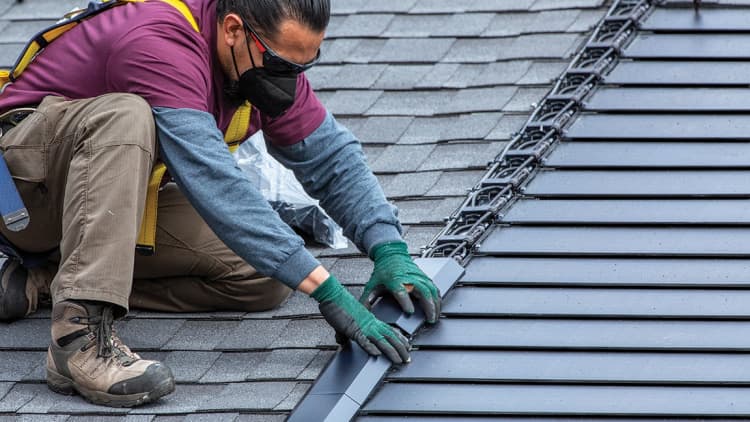
As more homeowners look for ways to harness renewable energy, the debate between solar shingles vs solar panels has become increasingly relevant. Both technologies offer the promise of clean electricity and long-term savings, but they differ in appearance, installation, cost, and efficiency. Understanding these differences is essential for anyone considering a solar upgrade for their home.
In this article, we’ll break down the key distinctions between these two solar roofing solutions, helping you decide which option aligns best with your needs, budget, and aesthetic preferences. We’ll also highlight recent innovations, market trends, and practical considerations to guide your decision-making process.
For a deeper look at where the industry is heading, check out the solar roofing market trends shaping adoption and innovation.
Understanding Solar Roofing Technologies
The two main options for residential solar energy generation are photovoltaic (PV) panels and solar-integrated shingles. Both convert sunlight into electricity, but their form factors and installation methods differ significantly.
- Solar panels are the traditional choice, consisting of framed PV modules mounted on top of an existing roof. They are highly visible and typically installed in arrays to maximize sun exposure.
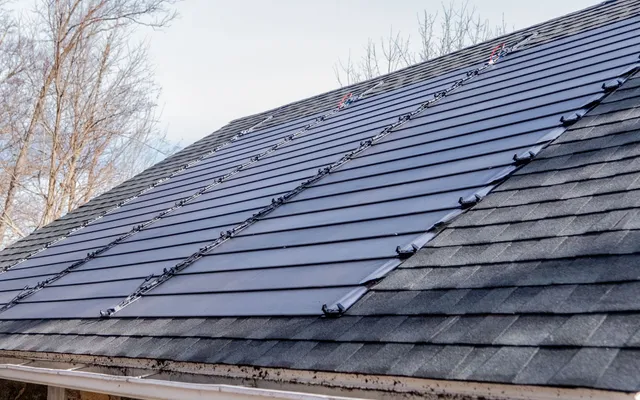
- Solar shingles (also called building-integrated photovoltaics, or BIPV) are designed to blend seamlessly with roofing materials. These units replace conventional shingles, serving as both a weatherproof barrier and a source of solar power.
Both systems connect to your home’s electrical system and can be paired with battery storage or net metering to further optimize energy use.
Key Differences: Efficiency, Cost, and Aesthetics
When comparing solar shingles vs solar panels, it’s important to weigh several factors that impact performance and value.
Energy Output and Efficiency
Traditional solar panels generally offer higher efficiency rates, often ranging from 15% to 22%. This means they convert a greater percentage of sunlight into usable electricity. Solar shingles, while improving, typically have lower efficiency—usually between 13% and 17%—due to their integrated design and limited ventilation.
If your roof has limited space or less-than-ideal sun exposure, panels may generate more power per square foot. However, ongoing advancements in latest solar roofing technology are narrowing this gap.
Installation and Compatibility
Solar panels can be installed on most existing roofs, making them a flexible option for retrofits. The process is relatively quick, and many installers are experienced with standard panel systems.
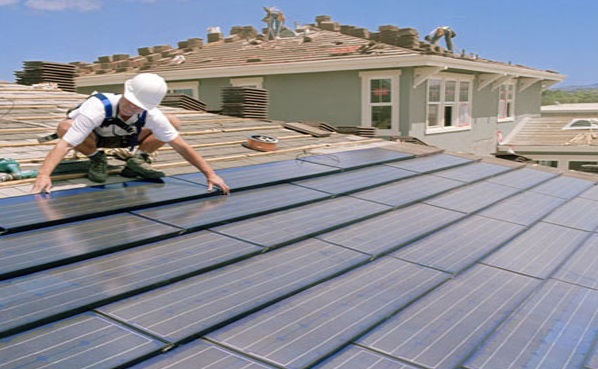
Solar shingles, on the other hand, are best suited for new construction or full roof replacements. Their integration with the roof structure means installation is more complex and requires specialized expertise. This can lead to longer project timelines and higher labor costs.
Visual Appeal and Curb Value
One of the main advantages of solar shingles is their subtle appearance. They mimic the look of traditional roofing materials, which can be important for homeowners concerned about aesthetics or HOA restrictions. Panels are more conspicuous, but some homeowners appreciate their high-tech look and clear energy-saving intent.
For those prioritizing a seamless roofline, integrated solar products may be the preferred choice. If maximizing output is more important, panels remain the most efficient option.
Cost Comparison: Upfront and Long-Term Value
The initial investment for solar shingles is typically higher than for panels. According to recent market data, installing solar shingles can cost between $21 and $30 per square foot, while solar panels usually range from $15 to $25 per square foot (including installation).
However, the total cost depends on roof size, complexity, and local labor rates. It’s also important to factor in incentives, tax credits, and potential increases in property value. Over time, both systems can offer significant savings on utility bills.
For a detailed breakdown of emerging products and pricing, see the latest innovations in solar roofing and how they impact affordability.
Durability, Maintenance, and Warranty Considerations
Both solar panels and shingles are designed to withstand harsh weather, but their lifespans can vary. Most panels come with warranties of 20–25 years, while solar shingles typically offer similar coverage, though some brands are newer to the market and may have less established track records.
Maintenance requirements are generally low for both systems. Keeping the surface clean and free of debris is important for optimal performance. Using a roof cleaning brush can help maintain efficiency without damaging the materials.
For more on evaluating your roof’s suitability and maintenance needs, consult the solar roofing site assessment guide.
Environmental Impact and Future Trends
Both solar technologies contribute to reducing carbon emissions and reliance on fossil fuels. Panels and shingles alike are eligible for federal and state incentives, making them attractive from both an environmental and financial perspective.
The future of solar roofing is promising, with ongoing research into materials, efficiency, and integration. For those interested in what’s next, explore solar roofing future trends and how they may influence your decision.
For a scientific perspective on the environmental benefits and lifecycle analysis, see this peer-reviewed study on solar roofing systems.
Choosing the Right Solar Solution for Your Home
Deciding between solar panels and integrated shingles depends on your priorities. If you want maximum energy output and a more affordable installation, traditional panels are likely the better fit. If aesthetics and seamless integration are top concerns, solar shingles may be worth the higher upfront cost.
- Consider your roof’s age and condition—shingles are best for new roofs or full replacements.
- Evaluate your budget, taking into account incentives and long-term savings.
- Think about your neighborhood’s visual standards and any HOA guidelines.
- Consult with a qualified installer to assess your roof’s suitability for each option.
Whichever route you choose, both technologies offer a path toward cleaner energy and lower utility bills.
Frequently Asked Questions
Are solar shingles as efficient as traditional solar panels?
Solar shingles generally have lower efficiency rates than panels, meaning they produce less electricity per square foot. However, ongoing advancements are improving their performance, and for some homes, the difference may be minimal depending on roof orientation and local sunlight.
How long do solar shingles and panels last?
Both products are designed for durability, with most warranties covering 20–25 years. Actual lifespan can be even longer with proper maintenance. It’s important to check manufacturer warranties and installer guarantees for specifics.
Is it possible to install solar shingles on an existing roof?
Solar shingles are typically installed during a full roof replacement or new construction. Retrofitting them onto an existing roof is usually not practical, whereas solar panels can be added to most existing roofs without major modifications.