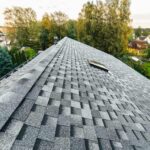
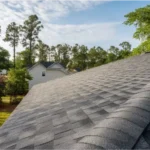
Ensuring proper ventilation in your attic is crucial for maintaining energy efficiency and preventing moisture-related issues. Effective ventilation strategies can help regulate temperature, reduce energy costs, and extend the lifespan of your roof. This guide explores various methods to optimize attic ventilation, ensuring your home remains comfortable and energy-efficient.
Before diving into specific techniques, it’s essential to understand the role of ventilation in attic insulation. Proper airflow prevents the buildup of heat and moisture, which can lead to mold growth and structural damage. Additionally, maintaining the right balance of insulation and ventilation can enhance the performance of your attic space.
For those interested in the latest trends in roofing technologies, exploring solar roofing market trends can provide additional insights into sustainable home improvements.
Understanding the Importance of Airflow
Airflow in the attic is a critical component of an effective insulation system. Without adequate ventilation, heat and moisture can accumulate, leading to potential damage. Attic ventilation strategies focus on creating a continuous flow of air that enters through the soffits and exits through the ridge vents. This natural circulation helps to keep the attic cool in the summer and dry in the winter.
Types of Ventilation Systems
There are several types of ventilation systems that can be implemented in an attic:
- Ridge Vents: Installed along the peak of the roof, ridge vents allow hot air to escape from the attic.
- Soffit Vents: Located under the eaves, these vents allow cooler air to enter the attic space.
- Gable Vents: Positioned on the gable ends of the attic, these vents facilitate cross-ventilation.
- Powered Attic Fans: These fans actively remove hot air from the attic, enhancing natural ventilation.
Implementing Effective Insulation Techniques
Combining proper ventilation with effective insulation techniques is key to maximizing energy efficiency. Here are some strategies to consider:
Sealing Air Leaks
Identifying and sealing air leaks in the attic can significantly improve insulation performance. Use caulk or weatherstripping to seal gaps around windows, doors, and other openings.
Choosing the Right Insulation Material
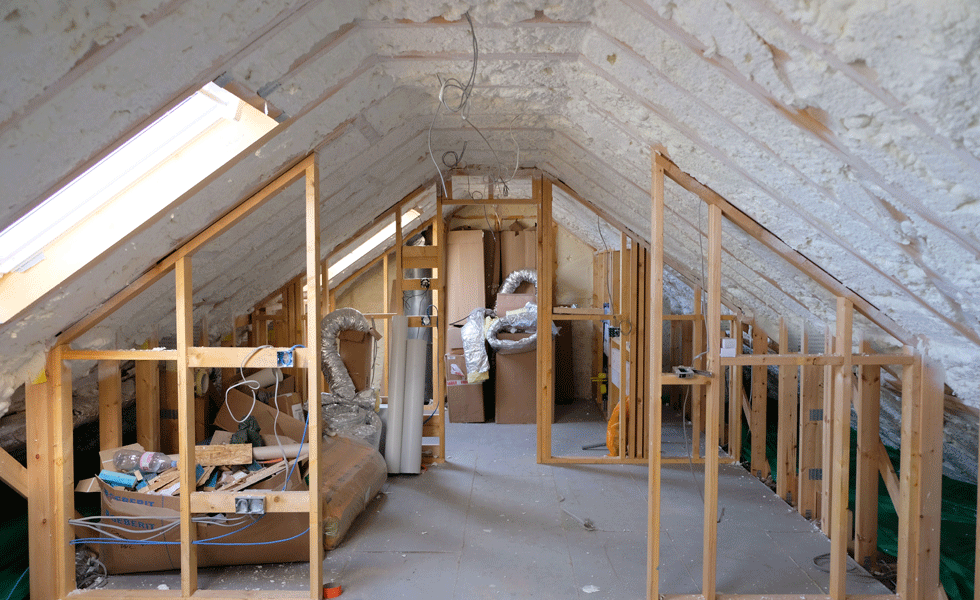
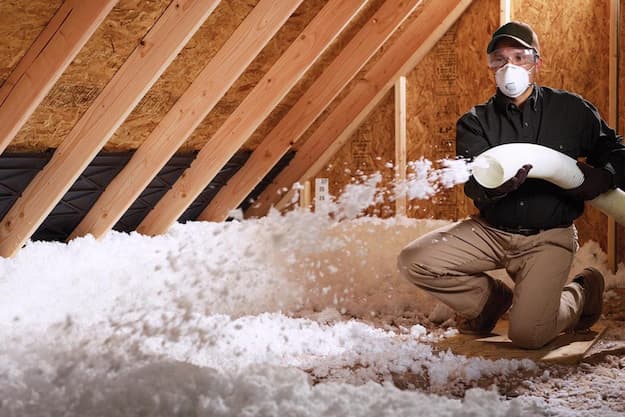
Selecting the appropriate insulation material is crucial. Options include fiberglass, cellulose, and spray foam, each offering different benefits in terms of thermal resistance and installation ease.

Maintaining Your Attic Ventilation System
Regular maintenance is essential to ensure your attic ventilation system functions effectively. Inspect vents for blockages, clean them periodically, and check for any signs of damage. Keeping your attic well-ventilated not only protects your home but also contributes to a healthier living environment.
For those considering integrating solar technology with their roofing, understanding the latest solar roofing technology can provide valuable insights into energy-efficient home solutions.
FAQs
What is the best way to ventilate an attic?
The best way to ventilate an attic is by using a combination of ridge and soffit vents. This setup allows for natural airflow, which helps regulate temperature and moisture levels.
How can I tell if my attic is properly ventilated?
Signs of proper attic ventilation include consistent temperatures throughout the home, absence of moisture buildup, and no noticeable mold or mildew growth.
Can poor attic ventilation affect my energy bills?
Yes, inadequate attic ventilation can lead to higher energy bills. Poor ventilation causes heat buildup, forcing your HVAC system to work harder to maintain a comfortable indoor temperature.