Keeping your roof in top condition is one of the most effective ways to protect your home and avoid costly repairs. By adopting a few straightforward habits, homeowners can significantly increase the durability of their roofing system. This guide covers practical steps for extending roof lifespan, from routine inspections to timely repairs, ensuring your investment lasts as long as possible.
Whether you have asphalt shingles, metal, or tile, the principles of roof care remain similar. Early attention to minor issues can prevent major damage, and regular maintenance helps your roof withstand the elements year after year. If you’re looking for more detailed repair techniques, check out our resource on asphalt shingle roof repair for step-by-step help with common problems.
Why Roof Maintenance Matters for Longevity
Many homeowners underestimate the impact of regular care on their roof’s service life. Routine attention not only prevents leaks and water damage but also protects your home’s structure and insulation. The cost of simple upkeep is far less than the expense of a full replacement or major repairs caused by neglect.
Consistent maintenance is especially important for those with asphalt shingles, which are durable but can be vulnerable to wind, hail, and UV exposure. For more information on the different types of shingles and their characteristics, consider this comprehensive guide to asphalt roofing shingles.
Key Habits for Extending Roof Lifespan
Adopting a proactive approach to roof care can add years to its life. Here are some essential habits that make a real difference:
- Inspect your roof regularly: Walk around your home and look for missing, cracked, or curled shingles. Binoculars can help you spot trouble areas from the ground.
- Clean gutters and downspouts: Clogged gutters cause water to back up under shingles, leading to rot and leaks. Clean them at least twice a year, especially after heavy storms or when leaves fall.
- Trim overhanging branches: Tree limbs that touch or hang over your roof can scrape shingles and drop debris, increasing wear and tear.
- Check attic ventilation: Proper airflow in your attic prevents heat and moisture buildup, which can warp decking and shorten shingle life.
- Address minor repairs promptly: Small issues like loose flashing or a missing shingle can quickly escalate if ignored. Take care of repairs as soon as you notice them.
Seasonal Tips for Roof Care
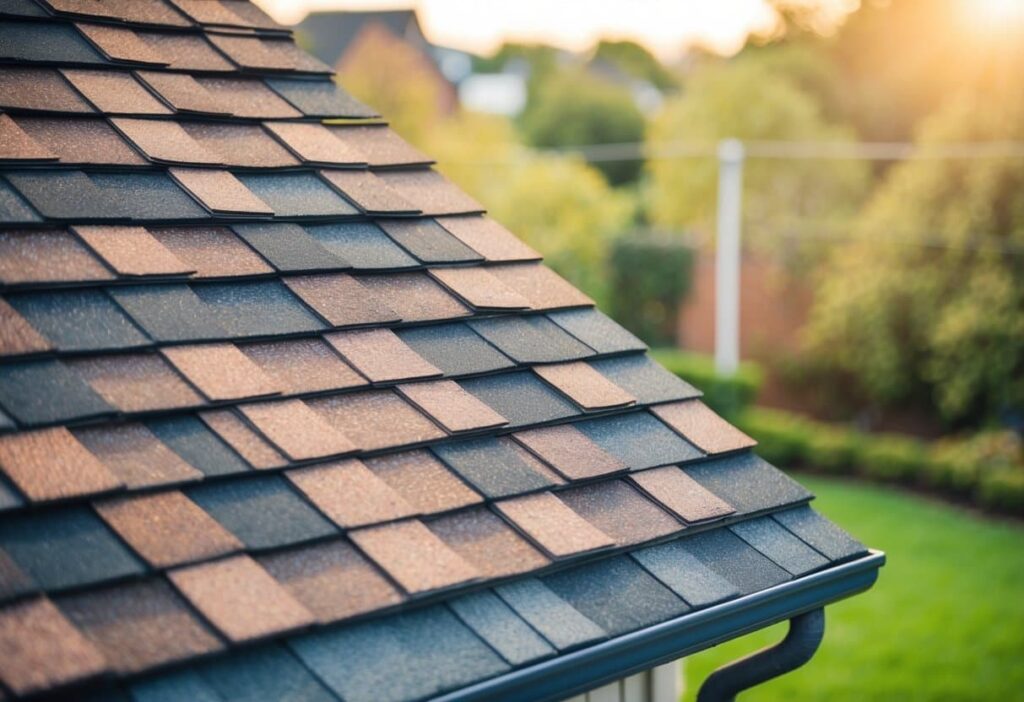
Each season brings unique challenges for your roof. Adapting your maintenance routine throughout the year can help you avoid unexpected problems and keep your roof performing at its best.
Spring and Summer
- Inspect for winter damage, such as cracked or missing shingles.
- Clear away any debris, moss, or algae growth that may have accumulated.
- Check for signs of animal activity, like nests or chewed materials.
Fall
- Remove leaves and twigs from gutters and roof valleys.
- Trim back tree branches to prevent storm damage.
- Look for signs of wear before winter weather arrives.
Winter
- Watch for ice dams along the eaves, which can force water under shingles.
- Remove heavy snow buildup if safe to do so, as excess weight can strain the roof structure.
Dealing with Common Roofing Issues
Even with diligent care, problems can arise. Knowing how to spot and address them quickly is key to maximizing your roof’s longevity. Here are some frequent issues and how to handle them:
- Leaks: Water stains on ceilings or walls often signal a roof leak. Promptly investigate the source and repair it. For help, see our guide on asphalt roof leak repair.
- Damaged shingles: Replace any that are missing, cracked, or curling. For DIY instructions, visit our article on how to repair asphalt shingles.
- Flashing problems: Inspect metal flashing around chimneys, vents, and skylights for rust or separation. Reseal or replace as needed to prevent leaks.
- Moss and algae: These can trap moisture and degrade shingles. Clean gently with a soft brush and consider installing zinc or copper strips to inhibit regrowth.
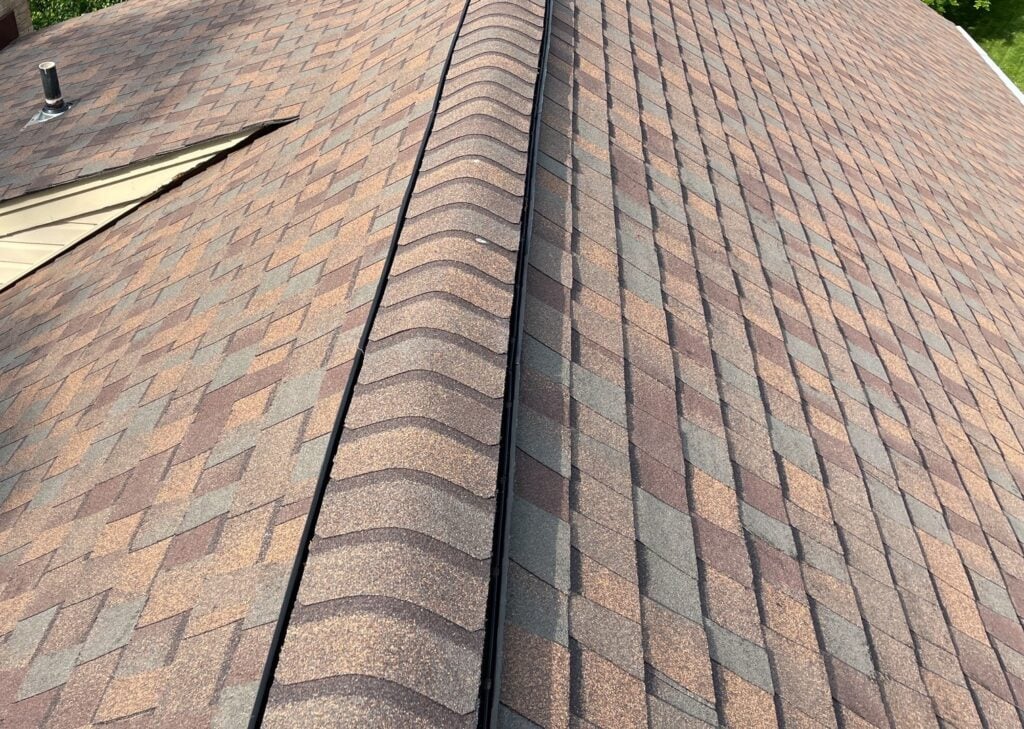
When to Call a Professional
While many roof maintenance tasks are suitable for DIY, some situations require expert attention. If you notice widespread damage, sagging, or persistent leaks, it’s best to consult a licensed roofer. Professional inspections every few years can also catch problems you might miss and provide peace of mind.
For those considering a major project, such as a full replacement, understanding the costs involved is crucial. Our roof replacement pricing guide breaks down what to expect and offers tips for saving money.
Choosing the Right Materials and Products
The quality of your roofing materials plays a significant role in how long your roof will last. When repairs are needed, select products that match your existing roof and are rated for your climate. For asphalt shingle roofs, using a high-quality sealant and replacement shingles can make repairs more effective and durable.
Always follow manufacturer instructions and consider products with strong warranties. This not only helps with extending roof lifespan but also protects your investment over time.
Frequently Asked Questions
How often should I inspect my roof?
It’s recommended to visually inspect your roof at least twice a year, ideally in spring and fall. Additional checks after major storms can help you spot damage early and address it before it worsens.
What are the signs that my roof needs immediate attention?
Look for missing or damaged shingles, water stains on ceilings, sagging areas, or visible mold and moss. If you notice any of these, act quickly to prevent further deterioration.
Can I extend my roof’s life without professional help?
Yes, many maintenance tasks can be handled by homeowners, such as cleaning gutters, removing debris, and replacing a few shingles. However, for complex issues or if you’re unsure, it’s wise to seek professional advice.
Conclusion
Developing simple, consistent habits is the most reliable way to maximize your roof’s durability. By staying proactive with inspections, cleaning, and prompt repairs, you can prevent small issues from turning into costly problems. Remember to use quality materials, follow seasonal care routines, and consult professionals when needed. These steps will help you enjoy a safer, more comfortable home while getting the most value from your roofing investment.