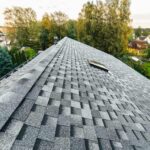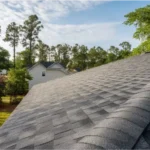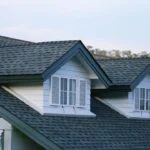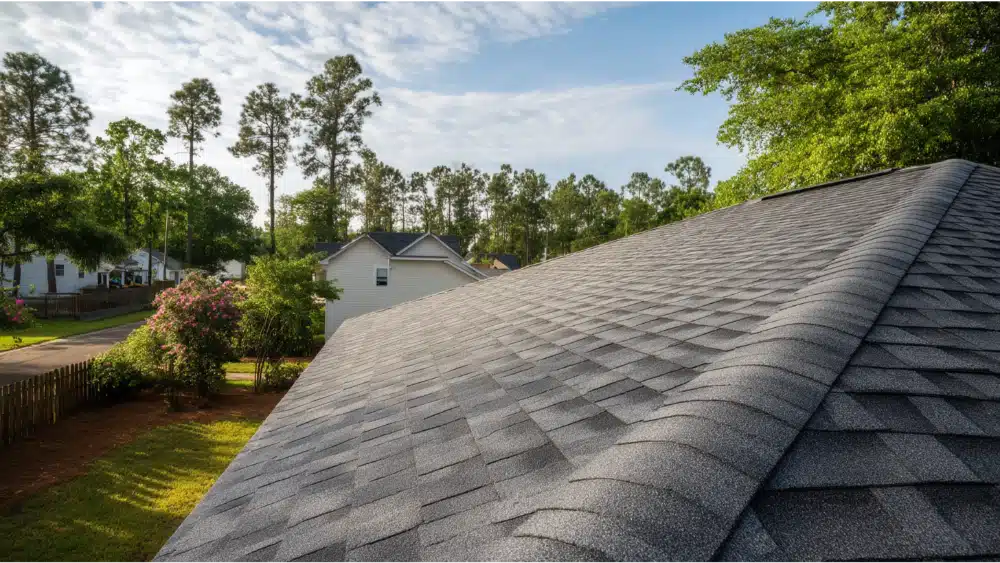
Keeping your roof in top condition is essential for protecting your home from the elements. Shingles are the first line of defense against rain, wind, and sun, but they can be vulnerable to damage if not properly maintained. Understanding how to prevent shingle damage can help you avoid costly repairs, extend the life of your roof, and maintain your property’s value.
This guide covers practical steps homeowners can take to shield their shingles from common threats. From choosing the right materials to regular inspections and timely maintenance, you’ll find actionable advice for safeguarding your roof. For those interested in long-term strategies, check out tips on extending roof lifespan for even more ways to keep your roof in great shape.
Why Shingle Protection Matters
Shingles are designed to withstand years of exposure, but even the best materials can deteriorate without proper care. Damage often starts small—cracked, curled, or missing shingles—but can quickly lead to leaks, mold, and structural issues. By focusing on protective measures, you can minimize risks and keep repair costs down.
Common causes of shingle problems include:
- Weather extremes such as hail, wind, and heavy rain
- UV radiation from prolonged sun exposure
- Poor attic ventilation causing heat and moisture buildup
- Improper installation or low-quality materials
- Lack of regular maintenance and inspections
Routine Inspections: The First Step to Preventing Shingle Issues
One of the most effective ways to prevent shingle damage is by conducting regular roof inspections. Early detection of minor issues can stop them from becoming major headaches.
- Inspect your roof at least twice a year, ideally in spring and fall.
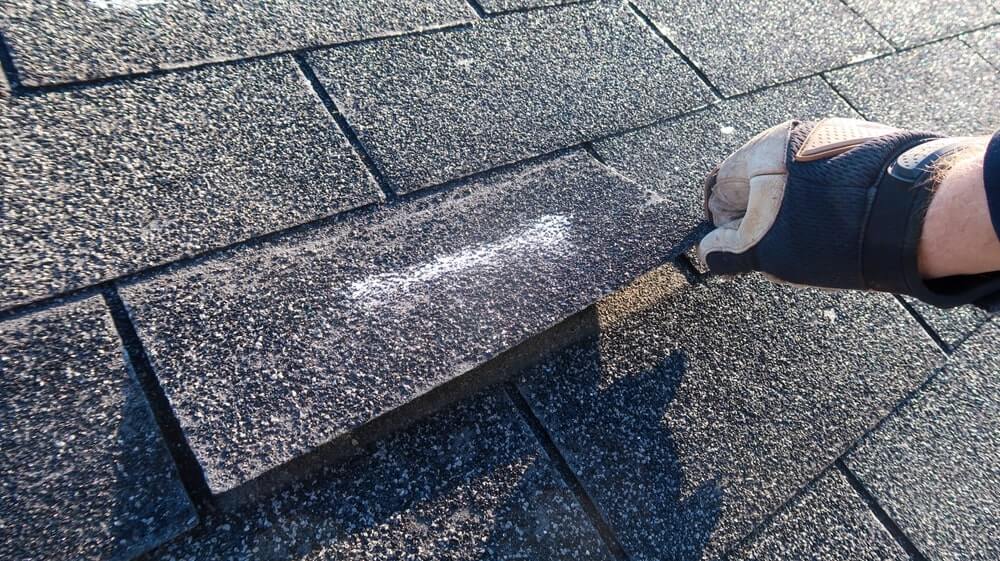
- Look for cracked, curled, or missing shingles, as well as granule loss.
- Check for moss, algae, or debris buildup, which can trap moisture and accelerate deterioration.
- Examine flashing around chimneys, vents, and skylights for gaps or corrosion.
If you’re comfortable working on a ladder, you can do a basic inspection yourself. For a thorough assessment, consider hiring a professional roofer. For more detailed repair guidance, see our article on asphalt shingle roof repair.
Choosing Quality Shingles and Materials
The type of shingle you select plays a significant role in your roof’s durability. Investing in high-quality materials can help you avoid frequent repairs and replacements.
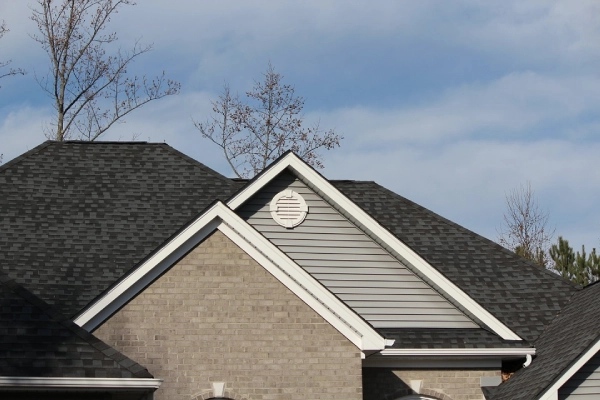
When selecting shingles, consider:
- Material type: Asphalt, wood, metal, and composite shingles each have unique strengths and weaknesses.
- Impact resistance: Some shingles are rated for higher resistance to hail and wind. Learn more about shingle classes and ratings in this guide to asphalt shingle classes.
- Warranty coverage: Quality shingles often come with longer warranties, reflecting their durability.
- Proper installation: Even the best shingles can fail if not installed correctly. Always use a reputable, experienced contractor.
Essential Maintenance Tips for Shingle Longevity
Consistent upkeep is key to keeping your shingles in good shape. These simple habits can make a big difference:
- Keep gutters clean to prevent water backup and ice dams.
- Trim overhanging branches to avoid abrasion and reduce debris accumulation.
- Remove moss and algae using a gentle roof cleaner to prevent moisture retention.
- Address minor repairs promptly—replace damaged shingles and reseal flashing as soon as issues are spotted.
- Check attic ventilation to reduce heat and moisture that can damage shingles from below.
For those who prefer a hands-on approach, our step-by-step guide on how to repair asphalt shingles offers practical DIY advice.
Weatherproofing and Additional Protective Measures
Beyond routine maintenance, there are several ways to further shield your roof from the elements and prevent shingle damage:
- Apply roof sealant to vulnerable areas, such as valleys and flashing, to block water intrusion.
- Install ice and water shields in regions prone to freezing temperatures.
- Upgrade to impact-resistant shingles if you live in a hail-prone area.
- Ensure proper attic insulation to minimize ice dam formation and heat buildup.
Taking these extra steps can greatly reduce the risk of leaks and extend the life of your roofing system. If you’re dealing with leaks already, our resource on asphalt roof leak repair provides targeted solutions.
When to Call a Professional
While many maintenance tasks can be handled by homeowners, certain situations call for expert help. If you notice widespread damage, sagging, or persistent leaks, it’s best to consult a licensed roofing contractor. Professionals have the tools and experience to assess hidden issues and recommend the right repairs or replacements.
Major storms, fallen trees, or signs of structural weakness should always be evaluated by a pro. Timely intervention can prevent further deterioration and protect your home’s interior from water damage.
Frequently Asked Questions
What are the most common causes of shingle damage?
Shingles can be affected by severe weather, poor installation, lack of maintenance, and natural aging. Wind, hail, and UV rays are leading contributors, but clogged gutters and improper attic ventilation also play a role.
How often should I inspect my roof for shingle problems?
It’s recommended to inspect your roof at least twice a year—once in the spring and once in the fall. Additional checks after major storms can help catch issues early.
Can I repair damaged shingles myself?
Minor repairs, such as replacing a few shingles or resealing flashing, can often be done by homeowners with basic tools and safety precautions. For extensive damage or if you’re unsure, it’s best to hire a professional roofer.
Conclusion
Protecting your roof from shingle deterioration requires a combination of regular inspections, quality materials, and proactive maintenance. By following the strategies outlined above, you can reduce the risk of leaks, extend your roof’s lifespan, and maintain your home’s value. For more information on budgeting for major repairs or upgrades, see our roof replacement pricing guide.