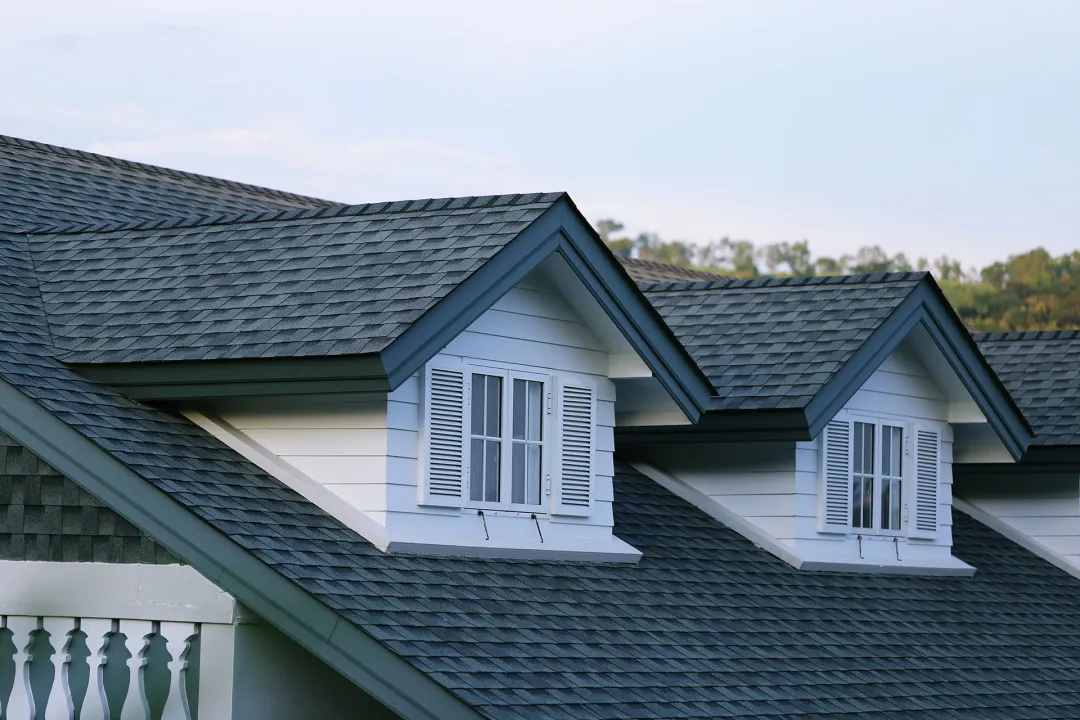
Upgrading your home with a new asphalt roof is one of the most effective ways to boost curb appeal, enhance weather protection, and increase property value. Asphalt shingles remain the most popular roofing material in North America due to their affordability, versatility, and proven durability. Whether your current roof is showing signs of age or you’re seeking a fresh look, understanding the process and benefits of installing new shingles can help you make informed decisions for your home.
This article provides a comprehensive overview of what’s involved in replacing your roof with modern asphalt shingles. You’ll learn about the advantages of this material, the installation process, and key considerations to ensure a successful project. For those interested in hands-on approaches, our DIY asphalt shingle roof guide offers additional insights into tackling the job yourself or working knowledgeably with a contractor.
Why Choose Asphalt Shingles for Your Roof Replacement?
Asphalt shingles offer a unique combination of benefits that make them an ideal choice for homeowners considering a roof upgrade. Here are some of the main reasons why many opt for this material:
- Cost-Effective: Asphalt shingles are among the most affordable roofing options, providing excellent value for their lifespan and performance.
- Variety of Styles: Available in a wide range of colors, textures, and profiles, asphalt shingles can complement nearly any architectural style.
- Durability: Modern shingles are engineered to withstand harsh weather, including wind, rain, and hail, with many products offering warranties of 20–30 years or more.
- Ease of Installation: Compared to other roofing materials, asphalt shingles are relatively quick and straightforward to install, which can help reduce labor costs.
- Low Maintenance: Routine inspections and minor repairs are typically all that’s needed to keep an asphalt roof in good shape.
For a deeper dive into the different types of asphalt shingles and their unique features, visit this comprehensive guide to asphalt roofing shingle types.
Signs It’s Time to Replace Your Roof
Knowing when to install a new asphalt roof is crucial for protecting your home from leaks and structural damage. Watch for these common indicators that it’s time for a replacement:
- Curling, cracked, or missing shingles
- Granules collecting in gutters or at downspouts
- Visible sagging or soft spots on the roof deck
- Frequent leaks or water stains on ceilings and walls
- Roof age exceeding 20 years
If you notice any of these issues, it’s wise to consult a professional or review our asphalt shingle roof installation resource for more details on what to expect during the replacement process.
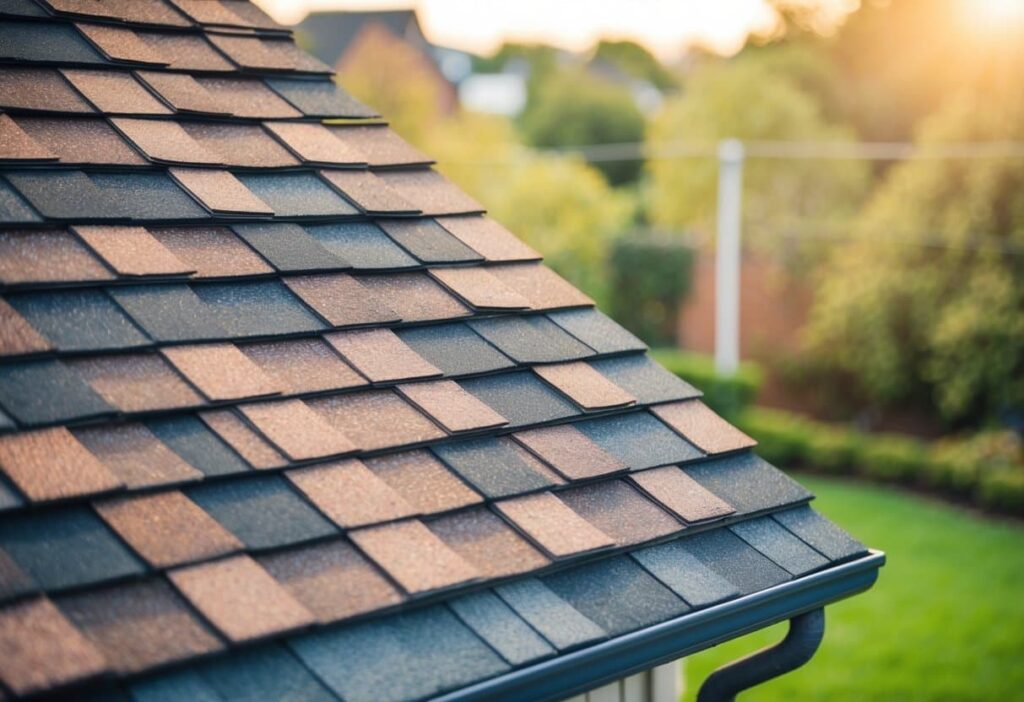
Step-by-Step Overview: How to Install Asphalt Shingles
Whether you’re hiring a contractor or considering a do-it-yourself approach, understanding the basic steps of asphalt shingle installation can help you follow the process and ensure quality results. Here’s a simplified breakdown:
- Preparation: Remove old roofing materials, inspect the roof deck for damage, and make necessary repairs. Clean the surface thoroughly.
- Underlayment Installation: Lay down roofing felt or synthetic underlayment to provide an extra moisture barrier.
- Starter Shingles: Install starter strip shingles along the eaves to ensure proper water runoff and wind resistance.
- Main Shingle Courses: Begin laying shingles from the bottom edge, working upward and staggering seams for optimal coverage and strength.
- Flashing and Valleys: Install metal flashing around chimneys, vents, and valleys to prevent leaks at vulnerable points.
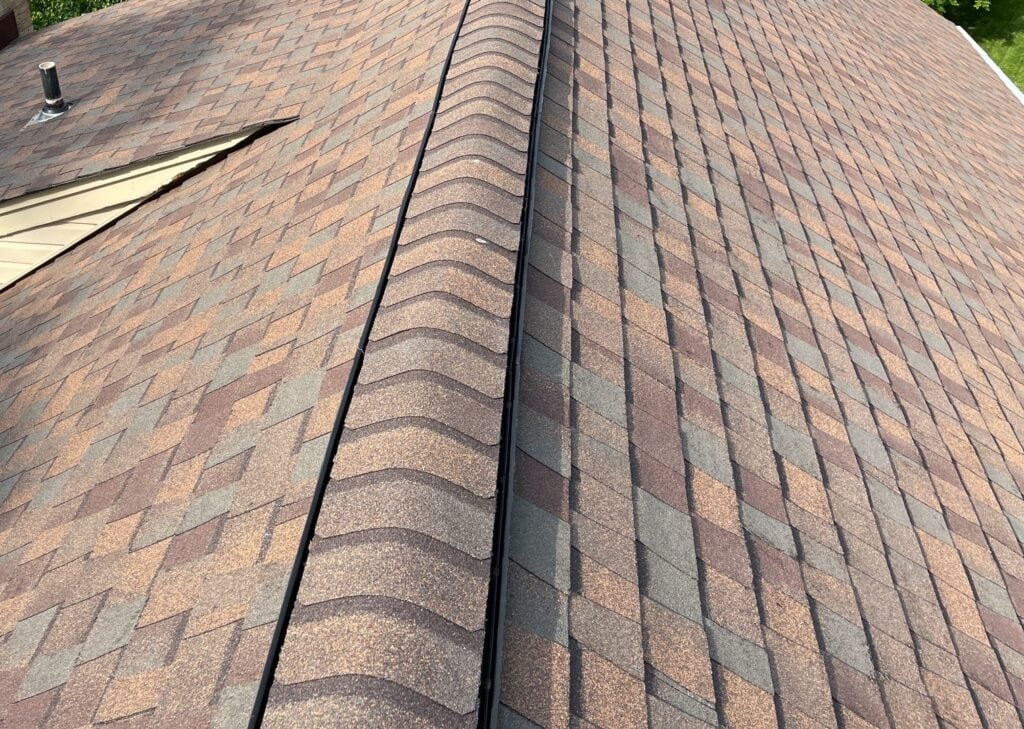
- Ridge Cap Shingles: Finish with specially designed ridge cap shingles along the roof’s peak for a polished look and added protection.
- Final Inspection: Check for proper alignment, secure fasteners, and remove debris from the roof and gutters.
For a more detailed walkthrough, our how to install asphalt shingles article covers each phase in depth, including safety tips and common pitfalls to avoid.
Key Considerations Before Replacing Your Roof
Before starting your project, keep these important factors in mind to ensure a smooth and successful installation:
- Local Building Codes: Check with your municipality for any permits or regulations regarding roofing materials and installation methods.
- Weather Conditions: Plan your project for a period of dry, mild weather to minimize delays and ensure proper shingle adhesion.
- Material Selection: Choose shingles that match your climate, aesthetic preferences, and budget. Consider impact-resistant or algae-resistant options for added durability.
- Professional vs. DIY: While many homeowners can tackle basic repairs, a full roof replacement is a major undertaking. If you’re not experienced, hiring a qualified contractor is often the safest choice. For those eager to learn, our roof shingle installation steps guide provides a clear roadmap from preparation to final inspection.
- Warranty Coverage: Review manufacturer and workmanship warranties to understand what’s covered and for how long.
Maintenance Tips for Your New Roof
Once your new shingles are in place, regular maintenance will help maximize their lifespan and performance. Here are some practical tips:
- Inspect your roof twice a year and after major storms for signs of damage or wear.
- Keep gutters and downspouts clear to prevent water backup and ice dams.
- Trim overhanging branches to reduce debris accumulation and minimize the risk of impact damage.
- Address minor issues, such as loose or missing shingles, promptly to prevent leaks.
- Use a high-quality sealant around flashing and roof penetrations for added protection. (See the recommended products above.)
For expert advice on maximizing the longevity of your shingles, check out our asphalt roofing installation guide for professional tips and troubleshooting.
Frequently Asked Questions
How long does it take to install a new asphalt shingle roof?
The timeline depends on the size and complexity of your roof, as well as weather conditions. Most residential projects take between one and three days when handled by a professional crew. DIY installations may take longer, especially for beginners.
What is the average lifespan of asphalt shingles?
Standard asphalt shingles typically last 20–30 years, while premium or architectural shingles can last even longer with proper maintenance. Factors such as climate, ventilation, and installation quality also affect longevity.
Can I install new shingles over my old roof?
In some cases, it’s possible to layer new shingles over an existing roof, but this approach can hide underlying problems and may not comply with local building codes. Removing the old roofing material is generally recommended for the best results and warranty coverage.
How do I choose the right color and style for my home?
Consider your home’s exterior color, architectural style, and neighborhood trends. Many manufacturers offer online visualizers to help you preview different shingle options before making a decision.
Is professional installation necessary, or can I do it myself?
While some experienced homeowners may feel comfortable tackling a roofing project, most benefit from hiring a licensed contractor. Professional installation ensures proper technique, safety, and warranty protection.
Upgrading to a new asphalt shingle roof is a smart investment that delivers lasting beauty and protection for your home. With the right planning and materials, you can enjoy peace of mind and enhanced curb appeal for years to come.