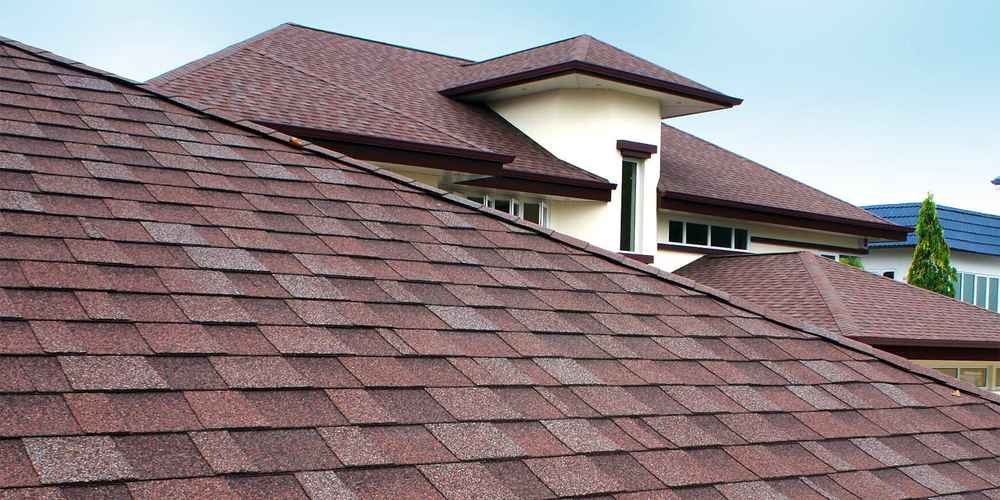
Asphalt shingles are among the most popular roofing materials for homes across North America. Their affordability, durability, and ease of installation make them a top choice for both new roofs and replacements. If you’re considering tackling a roofing project yourself, understanding how to install asphalt shingles properly is essential for long-lasting protection and curb appeal.
This article provides a step-by-step overview of the installation process, including preparation, tools, and best practices. Whether you’re a DIY enthusiast or simply want to understand the process before hiring a contractor, you’ll find practical advice and important safety tips here. For a deeper dive into the structure and protective layers of these shingles, check out how asphalt shingles work for additional insights.
Essential Tools and Materials for Shingle Installation
Before starting your roofing project, gather all the necessary tools and materials. Having everything ready will streamline the process and help prevent delays. Here’s what you’ll need:
- Asphalt shingles (choose the type and color that matches your home)
- Roofing nails and a hammer or pneumatic nail gun
- Roofing felt or synthetic underlayment
- Drip edge flashing
- Roofing sealant
- Chalk line for straight rows
- Utility knife and roofing shovel
- Measuring tape and ladder
- Safety gear: gloves, non-slip shoes, safety harness
It’s also wise to check local building codes and manufacturer guidelines for any specific requirements related to asphalt shingle installation.
Preparing the Roof Surface
Proper preparation is crucial for a successful roofing job. Start by removing old shingles, nails, and debris from the roof deck. Inspect the underlying wood for rot or damage and replace any compromised sections. A clean, solid surface ensures your new shingles will adhere correctly and last longer.
Next, install the drip edge along the eaves and rakes. This metal flashing helps direct water away from the fascia and prevents leaks. Lay down roofing felt or a synthetic underlayment, overlapping each row by at least 2 inches. Secure the underlayment with cap nails or staples, ensuring full coverage of the roof deck.
Step-by-Step Process for Laying Asphalt Shingles
Once the roof surface is prepped, you’re ready to begin installing the shingles. Follow these steps for a professional-looking result:
- Install Starter Strip: Begin at the eaves with a starter strip or a row of shingles with the tabs cut off. This layer helps seal the first course and prevents water infiltration.
- Lay the First Course: Place the first row of shingles directly over the starter strip, aligning the bottom edges. Use a chalk line to ensure straight placement.
- Nail Properly: Secure each shingle with four to six roofing nails, placed just below the adhesive strip. Avoid overdriving nails, which can damage the shingle.
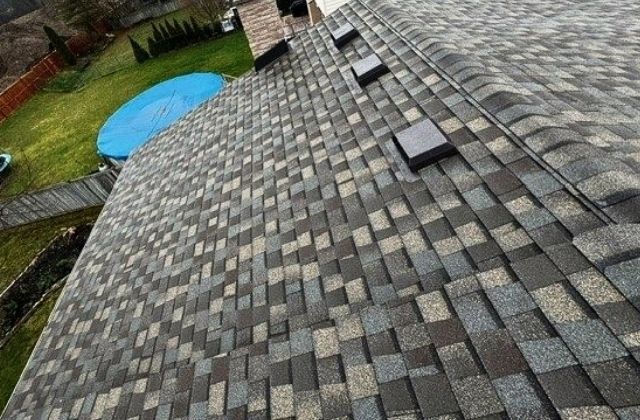
- Stagger the Joints: For subsequent rows, offset the shingles so that the joints do not line up with the row below. This pattern improves water resistance.
- Continue Up the Roof: Work your way up, row by row, maintaining the staggered pattern and using a chalk line for guidance.
- Install Flashing: Around chimneys, vents, and valleys, install metal flashing to direct water away from these vulnerable areas.
- Cap the Ridge: Finish by installing ridge cap shingles along the roof peak, overlapping each piece to ensure full coverage.
Take your time to ensure each shingle is properly aligned and nailed. Mistakes at this stage can lead to leaks or premature wear.
Tips for a Durable and Weatherproof Roof
To maximize the lifespan of your new roof, keep these tips in mind:
- Use high-quality sealant at flashing and around roof penetrations to prevent leaks.
- Follow the manufacturer’s recommendations for nail placement and shingle overlap.
- Work in mild, dry weather to ensure shingles adhere properly and reduce the risk of slips or accidents.
- Inspect your work as you go, correcting any misaligned shingles immediately.
- Dispose of old roofing materials responsibly and keep the work area clean.
For more information on the different varieties available, see this overview of types of asphalt shingles and how they compare in terms of durability and appearance.
Common Mistakes to Avoid During Installation
Even experienced DIYers can make errors when working with asphalt shingles. Here are some pitfalls to watch out for:
- Improper nailing: Nails driven too high, too low, or at an angle can cause shingles to lift or leak.
- Insufficient overlap: Not overlapping shingles enough can allow water to seep underneath.
- Skipping underlayment: Omitting this layer exposes the roof deck to moisture and shortens the roof’s lifespan.
- Poor flashing installation: Incorrectly installed flashing is a leading cause of roof leaks.
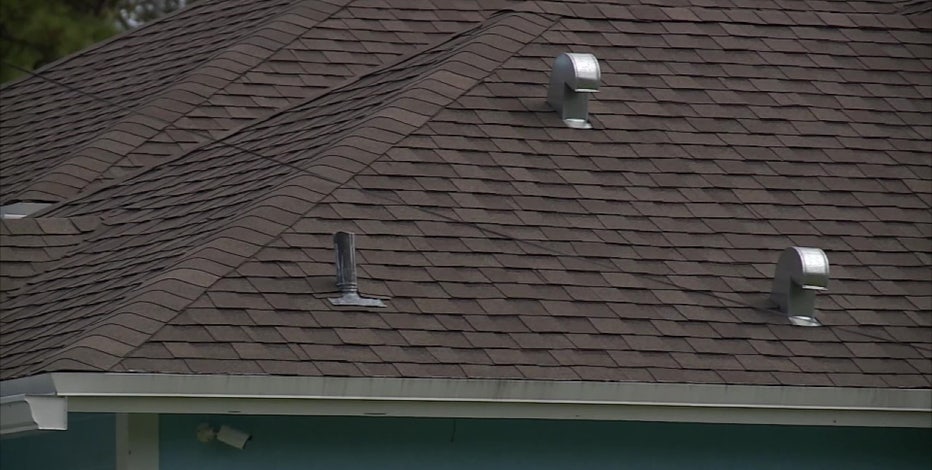
- Ignoring ventilation: Adequate attic ventilation prevents heat buildup and extends shingle life.
For a comprehensive look at what makes this roofing material effective, see what is asphalt shingle roofing for detailed explanations and benefits.
Understanding Maintenance and Longevity
Once your new roof is in place, regular maintenance will keep it performing well for decades. Inspect your shingles annually for signs of wear, such as curling, cracking, or missing granules. Clean gutters and downspouts to prevent water backup, and trim overhanging branches that could damage the roof surface.
Promptly address any minor repairs to prevent small issues from becoming major problems. Using a quality roofing sealant can help extend the life of your shingles, especially in vulnerable areas around vents and chimneys. For an overview of performance and cost considerations, refer to this asphalt roof overview.
Comparing Asphalt Shingles to Other Roofing Materials
Asphalt shingles are favored for their balance of cost, durability, and ease of installation. Compared to metal, tile, or wood shakes, they are lighter and require less structural support. They also come in a wide range of styles and colors, making it easy to match your home’s aesthetic.
However, it’s important to consider your local climate and the specific needs of your property. While asphalt shingles perform well in most conditions, extreme heat or severe storms may require additional reinforcement or a different material. For more on the composition and manufacturing process, visit this detailed guide to asphalt shingle roofing.
Frequently Asked Questions
How long does it take to install asphalt shingles on a typical home?
The timeline depends on the size and complexity of the roof, as well as weather conditions. For an average single-family home, a professional crew can often complete the job in one to three days. DIY projects may take longer, especially for those new to roofing.
Can I install new shingles over old ones?
While some building codes allow a second layer of shingles, it’s generally best to remove old roofing first. This approach ensures a flat, solid surface and allows you to inspect the roof deck for hidden damage.
What is the expected lifespan of asphalt shingles?
Most standard asphalt shingles last 20 to 30 years, depending on the product quality, installation, and local climate. Architectural and luxury shingles may offer even longer lifespans with proper care and maintenance.
Are there different types of asphalt shingles?
Yes, there are several varieties, including 3-tab, architectural, and luxury shingles. Each type offers different levels of durability, appearance, and cost. For more details, see this resource on types of asphalt shingles.