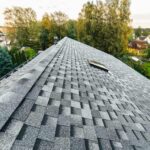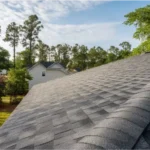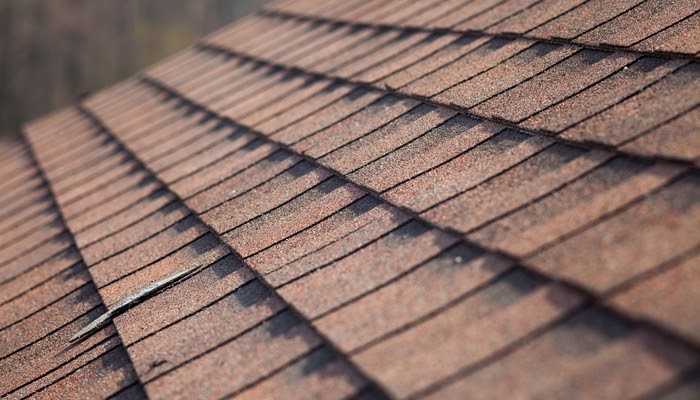
Knowing when to replace asphalt roof is essential for protecting your home from water damage, energy loss, and costly repairs. Asphalt shingles are a popular roofing material due to their affordability and durability, but even the best roofs have a limited lifespan. Recognizing early warning signs of roof failure can help you plan for a replacement before small issues become major headaches.
In this article, you’ll learn how to spot the most common indicators that your shingle roof is nearing the end of its service life. We’ll cover visible damage, age-related concerns, and subtle clues that often go unnoticed. Plus, you’ll find practical tips for evaluating your roof and links to helpful resources, including a detailed asphalt roof replacement guide for planning your next installation.
How Long Does an Asphalt Shingle Roof Last?
The average lifespan of an asphalt shingle roof ranges from 15 to 30 years, depending on the quality of materials, installation, and local climate. Standard 3-tab shingles typically last 15–20 years, while architectural or laminated shingles can reach up to 30 years with proper care. However, environmental factors like intense sun, heavy rain, hail, and poor ventilation can shorten this lifespan.
It’s important to keep track of your roof’s age. If your roof is approaching or has exceeded its expected service life, it’s wise to start monitoring it more closely for signs of deterioration. For a deeper dive into the costs and considerations of upgrading, check out this resource on roof upgrade cost.
Visible Warning Signs Your Asphalt Roof Needs Replacement
Some of the most obvious indicators that it’s time to consider a new roof are visible from the ground or with a simple inspection. Here are the top signs to watch for:
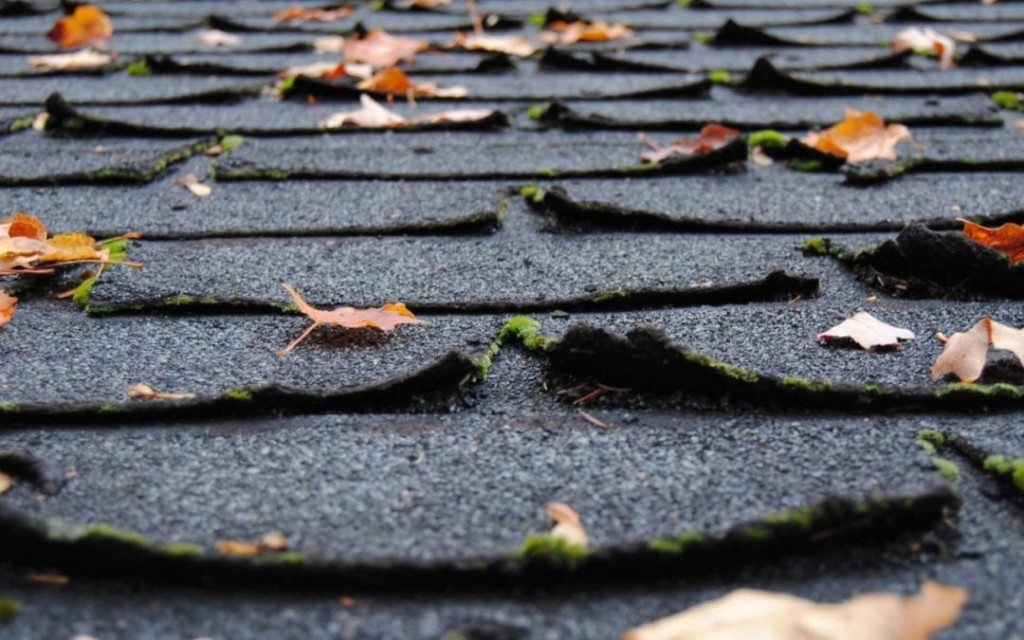
- Curling or Buckling Shingles: Shingles that curl at the edges or appear warped are losing their ability to shed water and protect your home.
- Missing Shingles: Gaps in your roof covering expose the underlayment and decking to moisture, leading to leaks and rot.
- Cracked or Broken Shingles: Cracks allow water to penetrate, increasing the risk of interior damage.
- Granule Loss: If you notice excessive granules in your gutters or bald spots on shingles, the protective surface is wearing away.
Subtle Signs Your Roof Is Failing
Not all symptoms of roof failure are obvious. Some warning signs develop slowly and may be overlooked until significant damage occurs. Pay attention to these less-visible clues:
- Frequent Leaks or Water Stains: Recurring leaks, especially after storms, or brown stains on ceilings and walls often indicate compromised roofing materials.
- Moss or Algae Growth: Persistent moss or algae can trap moisture, accelerating shingle decay and shortening roof life.
- Sagging Roof Deck: A sagging appearance suggests underlying structural issues, often caused by prolonged water infiltration.
- Daylight Through the Attic: If you see sunlight peeking through roof boards, gaps or holes are present and require immediate attention.
For a comprehensive checklist of what to look for, see the asphalt roof failure signs resource.
When Repairs Aren’t Enough: Deciding on Full Roof Replacement
While minor issues like a few missing shingles or small leaks can often be repaired, widespread or recurring problems usually signal the need for a complete replacement. Consider a new roof if you notice:
- Multiple problem areas across large sections of the roof
- Significant granule loss and exposed shingle mat
- Previous repairs are failing or not holding up
- Your roof is at or beyond its expected lifespan
Delaying replacement can lead to expensive water damage, mold growth, and even structural failures. If you’re unsure about your roof’s condition, consulting a professional is always a smart move. For step-by-step advice on the replacement process, visit the replacing old asphalt roof guide.
Choosing the Right Shingles for Your New Roof
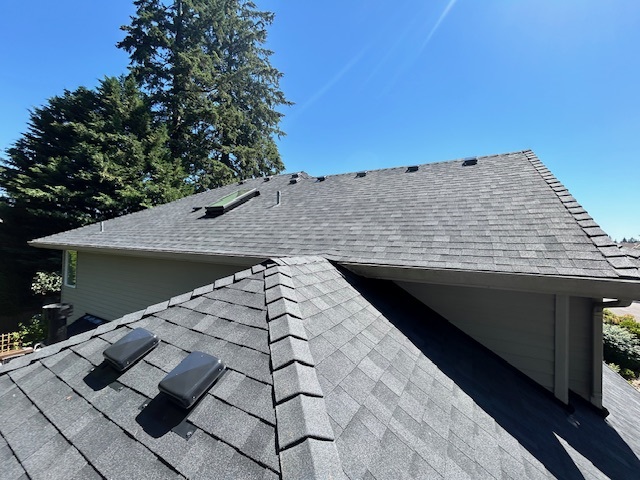
If you’ve determined it’s time for a new roof, selecting the right type of shingle is an important next step. Asphalt shingles come in several varieties, including 3-tab, architectural, and premium options. Each type offers different levels of durability, appearance, and price. For a detailed breakdown of available styles, see this guide to types of roofing shingles.
When comparing options, consider factors like warranty, wind resistance, and color selection. Higher-quality shingles may cost more upfront but can provide better protection and a longer lifespan, reducing the need for frequent repairs.
Maintenance Tips to Extend Roof Life
Regular maintenance can help you get the most out of your asphalt roof and delay the need for replacement. Here are some practical tips:
- Inspect your roof at least twice a year, especially after severe weather.
- Keep gutters clean to prevent water backup and ice dams.
- Trim overhanging branches to reduce debris and shade that fosters moss growth.
- Address minor repairs promptly to avoid escalation.
- Check attic ventilation and insulation to prevent heat and moisture buildup.
For more advice on avoiding common pitfalls during shingle projects, review the roofing mistakes to avoid article.
Frequently Asked Questions
How do I know if my asphalt roof needs to be replaced or just repaired?
If damage is limited to a small area and the rest of your roof is in good condition, repairs may be sufficient. However, if you see widespread issues like curling, missing shingles, or repeated leaks, it’s usually more cost-effective and safer to opt for a full replacement.
What is the typical lifespan of an asphalt shingle roof?
Most asphalt shingle roofs last between 15 and 30 years, depending on the shingle type, installation quality, and exposure to harsh weather. Regular maintenance can help maximize this lifespan.
Can I install new shingles over old ones?
While it’s possible to layer new shingles over an existing roof in some cases, it’s not always recommended. A full tear-off allows for inspection of the decking and ensures a longer-lasting, more reliable installation. For more on this process, see the guide to full tear-offs.
What are the risks of delaying roof replacement?
Waiting too long to replace a failing roof can result in water damage, mold growth, higher energy bills, and even structural problems. Addressing issues early helps protect your home and saves money in the long run.
Conclusion
Understanding when to replace asphalt roof is crucial for maintaining your home’s safety and value. By keeping an eye out for the signs discussed above and acting promptly, you can avoid costly repairs and ensure your home stays protected. If you’re planning a new installation, be sure to consult resources like the asphalt roof replacement guide for expert advice and step-by-step instructions.