Adopting solar roofing is a significant step toward reducing energy costs and minimizing environmental impact. For homeowners and businesses, the financial investment can be substantial, but a range of government incentives for solar roofing can make the transition much more affordable. Understanding these programs is crucial for anyone considering solar technology for their property.
From federal tax credits to local rebates and state-level grants, there are multiple ways to offset the upfront cost of solar installations. These incentives not only lower the initial expense but can also improve the long-term value of your property. If you’re planning a roof upgrade, it’s wise to explore all available support to maximize your return on investment. For those interested in the broader financial aspects of roofing improvements, the roof upgrade cost guide provides additional insights.
How Federal Programs Support Solar Roofing Projects
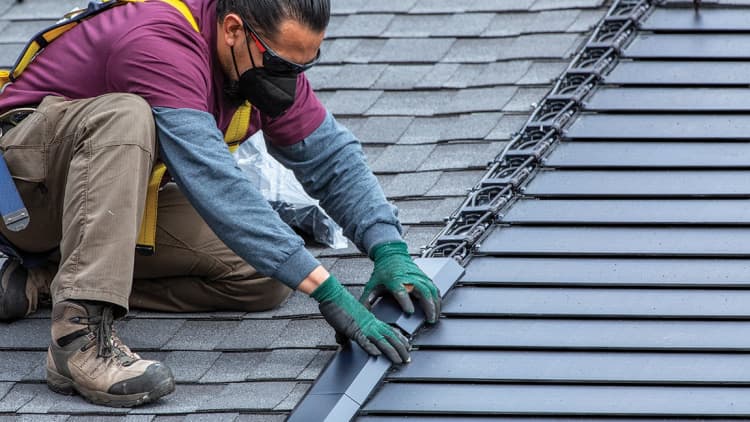
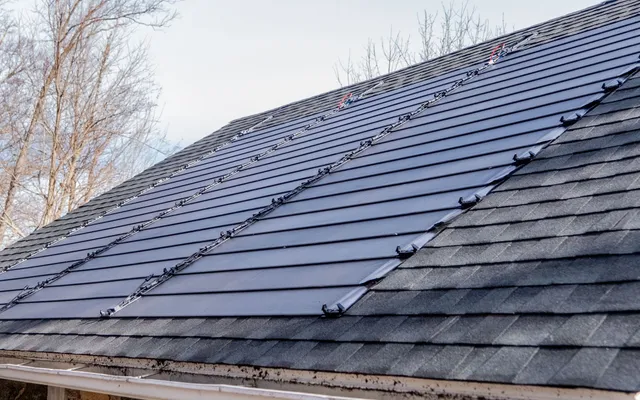
One of the most impactful forms of support comes from the federal government. The Investment Tax Credit (ITC) is a primary driver for solar adoption in the United States. This program allows property owners to deduct a percentage of their solar installation costs from their federal taxes. As of 2024, the ITC offers a 30% credit for both residential and commercial solar systems, including integrated solar shingles and panels.
To qualify, the system must be installed on your primary or secondary residence, or on a business property. The credit applies to both the cost of materials and installation. It’s important to note that the ITC is scheduled to decrease in the coming years, so acting sooner can maximize your savings.
In addition to the ITC, there are other federal initiatives such as accelerated depreciation for businesses, which can further reduce the payback period for commercial solar roofing projects.
State and Local Incentives for Solar Roof Installations
Beyond federal support, many states and municipalities offer their own government incentives for solar roofing. These can include cash rebates, property tax exemptions, and performance-based incentives. The availability and value of these programs vary widely depending on your location.
For example, some states provide upfront rebates that directly lower the cost of purchasing and installing solar panels or shingles. Others offer ongoing incentives based on the amount of electricity your system generates. Property tax exemptions ensure that the added value from your solar installation doesn’t increase your property tax bill, making it easier to justify the investment.
It’s essential to research the programs available in your area. Many local governments and utility companies also run limited-time promotions or pilot programs to encourage solar adoption.
Rebates, Tax Credits, and Grants: What to Expect
The most common forms of financial support for solar roofing include:
- Tax Credits: Reduce your tax liability by a percentage of your installation costs. The federal ITC is the most prominent example.
- Cash Rebates: Offered by states, municipalities, or utilities, these provide direct payments or discounts after installation.
- Grants: Some government agencies and non-profit organizations offer grants for specific projects, especially for low-income households or community solar initiatives.
- Performance-Based Incentives (PBIs): Pay you based on the actual energy your system produces, encouraging optimal performance.
- Property and Sales Tax Exemptions: Exclude the value of your solar system from property tax assessments or waive sales tax on solar equipment purchases.
Each of these incentives can be layered, allowing you to combine federal, state, and local programs for maximum savings. However, eligibility requirements and application processes can differ, so it’s important to review the details for each program.
Eligibility and Application Tips for Solar Incentives
To take advantage of government incentives for solar roofing, you’ll need to meet specific eligibility criteria. Most programs require that the solar system be new and installed on a property you own. Some incentives are available only for primary residences, while others extend to secondary homes or rental properties.
Here are some tips to streamline the application process:
- Work with a certified solar installer who is familiar with local and federal incentive programs.
- Keep detailed records of all expenses, including invoices and proof of payment.
- Submit applications promptly, as some programs have limited funding or strict deadlines.
- Check whether your state or utility requires pre-approval before installation.
Staying organized and proactive can help you secure the maximum available benefits and avoid missing out on valuable support.
Maximizing Savings with Combined Incentive Strategies
Combining multiple incentives is the most effective way to reduce the cost of solar roofing. For example, you can apply the federal tax credit to your total installation cost, then subtract any state or local rebates you receive. Some utility companies also offer performance-based payments, further improving your return on investment.
It’s also worth considering the timing of your project. Some incentives are set to expire or decrease in value over time. Planning your installation to take advantage of current programs can result in significant savings. For those replacing an older roof, resources like the replacing old asphalt roof guide can help you coordinate your roofing and solar upgrades efficiently.
For a deeper understanding of the environmental and economic impacts of solar adoption, you can refer to this scientific study on solar incentives and adoption patterns.
Common Mistakes to Avoid When Applying for Solar Incentives
While the benefits are substantial, there are a few pitfalls to watch out for:
- Failing to check eligibility requirements before starting your project.
- Missing application deadlines or required documentation.
- Overlooking local programs that can be combined with federal incentives.
- Assuming all solar products qualify—some incentives apply only to specific technologies or certified installers.
Reviewing resources like the roofing mistakes to avoid article can help you sidestep common errors and ensure a smooth incentive application process.
FAQ: Answers to Common Questions About Solar Roofing Incentives
What Is the Federal Solar Tax Credit and How Does It Work?
The federal solar tax credit, also known as the Investment Tax Credit (ITC), allows you to deduct 30% of your solar roofing installation costs from your federal taxes. This applies to both the cost of equipment and labor. The credit is available for systems installed on primary and secondary residences, as well as business properties. It’s important to keep all receipts and documentation to claim the credit on your tax return.
Can I Combine State, Local, and Federal Incentives?
Yes, you can often combine multiple incentives to maximize your savings. Federal tax credits can be used alongside state and local rebates, grants, and utility incentives. However, some programs may have specific rules about stacking benefits, so it’s wise to review each program’s guidelines or consult with your installer.
Do Solar Roofing Incentives Apply to Both Panels and Solar Shingles?
Most government incentives cover both traditional solar panels and newer solar roofing products like solar shingles, as long as they meet program requirements. Always confirm that your chosen product and installer are eligible for the incentives you plan to claim.
Conclusion
Taking advantage of government incentives for solar roofing can significantly reduce the cost of upgrading your home or business with clean energy technology. By researching federal, state, and local programs, and carefully managing your application process, you can maximize your financial benefits and enjoy long-term energy savings. For more information on planning your project, the asphalt roof replacement guide offers practical advice for integrating solar with your next roofing upgrade.